A Dream Vacation Interrupted
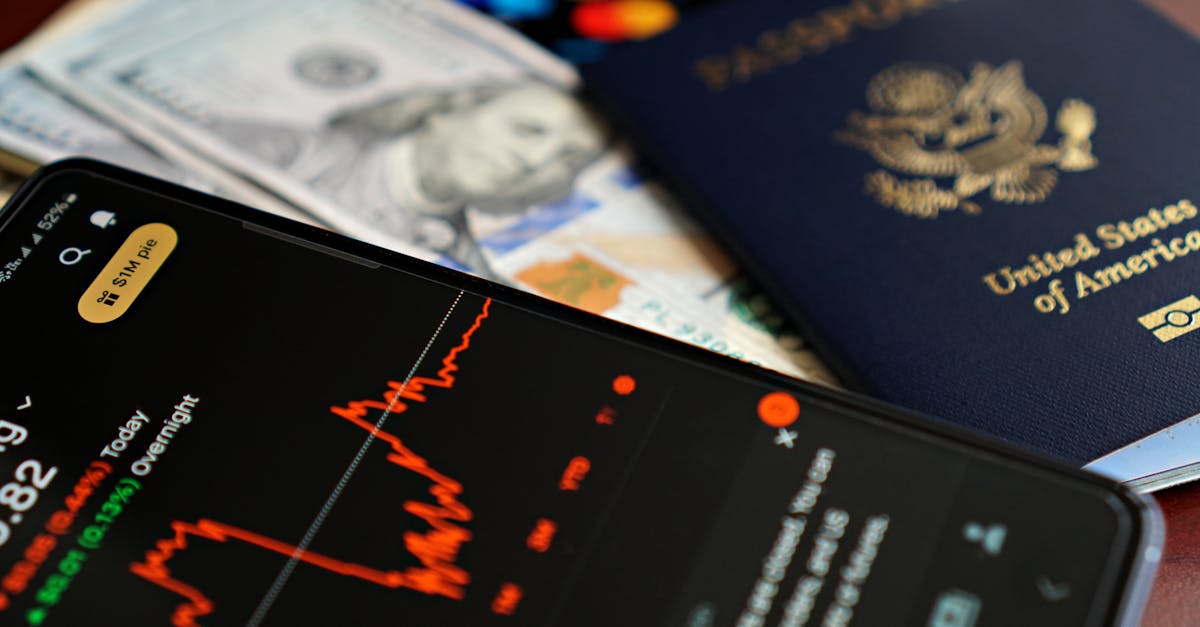
Imagine the Johnson family, hunched over their dining room table on a cold winter night, meticulously planning their summer getaway to Europe. For months, they have saved diligently, setting aside cash for hotel rooms in Paris and sightseeing in Rome. But as they open their laptops to check the latest exchange rates, a wave of disappointment washes over them. The dollar has dipped, now trading at roughly 0.82 euros per dollar, putting their anticipated $5,000 budget at risk.
The disappointment isn’t just family chatter; it’s a reflection of the turbulent waters that exchange rates sail through, influenced by inflation, employment rates, and market sentiment. With U.S. inflation recorded at 3.3%, the purchasing power of the dollar has taken a hit. More than just numbers, these economic indicators tell a nuanced story of how citizens navigate a world where exchange rates shape their financial decisions.
A Business’s Balancing Act
Across town, another story is told at Gala Goods, a local business that sells Italian ceramics. The owner, Marco, imports his products from artisans in Florence. However, with the dollar weakening against the euro, Marco faces rising costs. His recent shipment of hand-painted dishes cost him $20,000, which is now equivalent to a staggering 24,390 euros—an increase of over 10% since last year.
As Marco examines his dwindling profit margins, he realizes these costs might compel him to raise prices on his products. Shoppers contemplating a $100 dish will soon find that price could inch closer to $110—a significant jump for regular customers. Unemployment sits at 4.3%, which means that during times of increase in costs, discretionary spending might tighten. Families like the Johnsons could very well reconsider their ceramic dish purchases to save for their vacations.
The Ripple Effect of Interest Rates
Further complicating the scenario is the current interest rate set at 3.64%. Borrowing costs are on the rise, creating a challenging environment for businesses like Gala Goods trying to scale operations or expand their inventory. Marco is contemplating applying for a loan to purchase a bulk stock of charming vases, but the increased cost of servicing that loan could stifle his plans. Thus, every time the Fed adjusts interest rates, it sends ripples through the economy that indirectly affect the Johnson family’s plans, pushing them to rethink their summer getaway.
Family Decisions and Economic Realities
While the Johnsons squabble over budgeting for dinner and attractions, they’re also considering how their altered travel plans might impact the economy back home. A weaker dollar makes travel abroad more expensive, potentially resulting in less travel by American families this year. When families spend less abroad, it contributes to a decline in foreign tourism revenue—meaning that businesses nationally, from hotels to airlines, also feel the weight of these currency fluctuations.
Just a couple of weeks after their initial shock, the Johnsons gather around again, but this time with action in mind. They’re eyeing a domestic vacation as an alternative—a road trip to the Grand Canyon, far removed from the Italian countryside, yet rich in experience and adventure.
A Circle of Impact
As the Johnsons adjust their plans, both they and Marco confront financial shifts that reveal much about how exchange rates impact all aspects of life at home and abroad. The connection between the dollar-in-euro equation and local business dynamics encapsulates the interconnectedness of the global economy. Soaring inflation and interest rates press upon families, drive business decisions, and shape the fabric of our everyday lives. In the end, whether standing before a Mediterranean sunset or the majestic Grand Canyon, every dollar spent is a story in the rich tapestry woven by currency values and economic policy, creating a flow of life that feels both personal and far-reaching.