The Davis Family and Their European Dreams
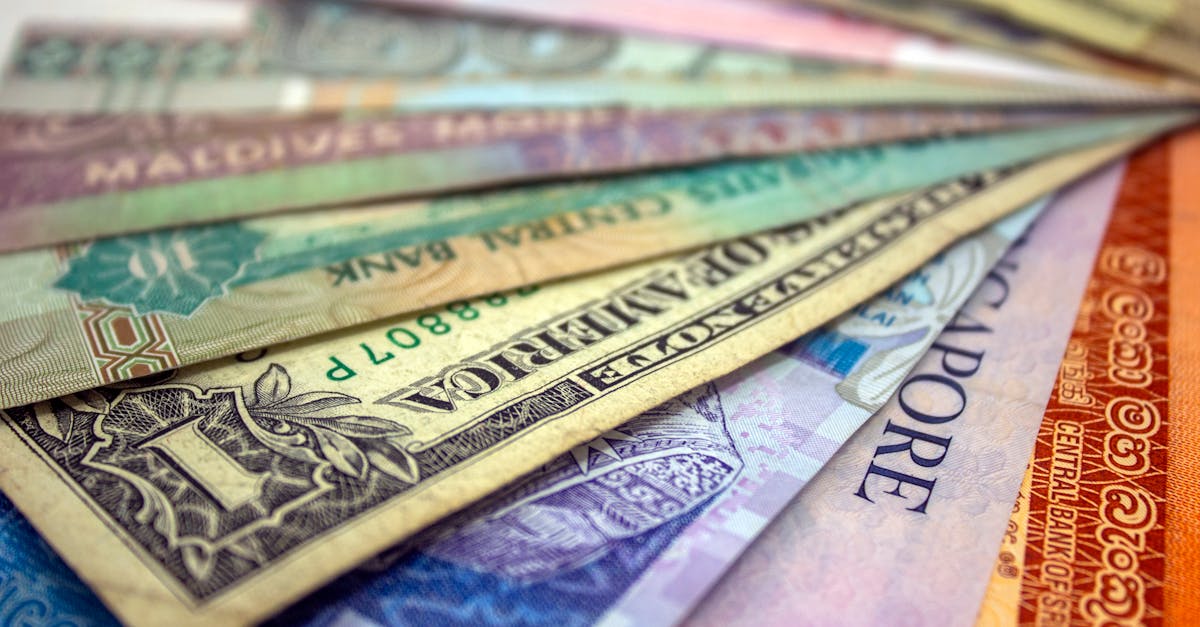
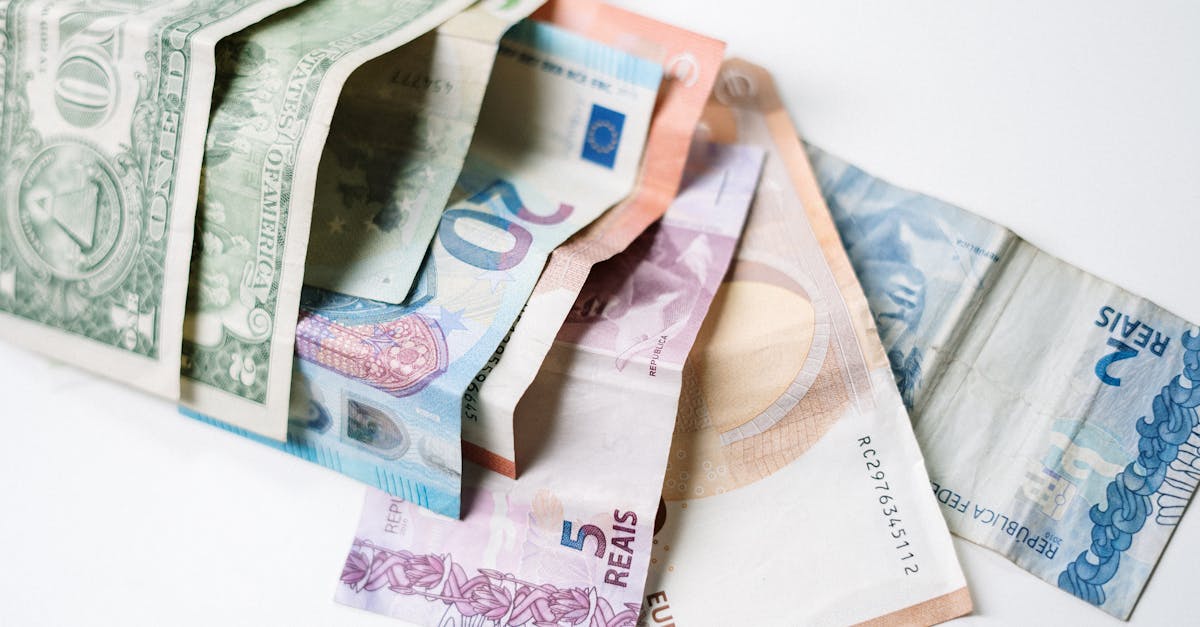
Imagine the Davis family of Columbus, Ohio, eagerly planning their long-awaited trip to Europe. With flights booked and an itinerary set, they are ready to experience the art, cuisine, and culture of Rome. As they finalize their plans, Mrs. Davis checks the latest exchange rate for euros against the dollar. Today, it stands at 1.07 USD for every euro. They have budgeted $2,000 for the trip, which translates to roughly 1,868 euros once they factor in the current exchange rate. This amount feels adequate, but in the back of her mind, she recalls the soaring prices she read about.
The impact of the exchange rate resonates sharply when considering the rising inflation within the United States, clocking in at 2.4%. While domestic prices attempt to stabilize, the dollar’s leverage abroad complicates matters for travelers. Each euro spent will seem to stretch thinner than it did two years ago, and the couple’s plans must now accommodate increasing costs. A lunch at a charming trattoria in Florence, once an affordable treat, may now strain their budget more than they anticipated.
The Local Business Perspective
Across town, Tony’s Custom Furniture is also enduring the ripples created by the shifting dollar. As an entrepreneur who sources Italian hardwood for his handcrafted pieces, Tony has seen his expenses rise this year. A year ago, a shipment of premium walnut would have cost him $10,000, but thanks to the exchange rate—now putting pressure on his purchasing power—Tony shelled out an additional 7% this month.
With the unemployment rate lingering at 4.4%, the local job market is competitive. Though finding skilled labor remains feasible, paying them becomes trickier when costs rise. Increased international expenses may force him to reconsider his pricing strategy, which could ultimately impact sales. Higher prices might drive potential customers away, forcing his business into a tight corner—best described by a combination of rising input costs and shrinking profit margins.
Workers Caught in the Crossfire
For local worker Maria, a single mom working two jobs, the exchange rate is, although indirect, a constant drumbeat affecting her financial reality. She holds a part-time position at a bookstore and also waitresses at a downtown café. While these jobs help her manage daily expenses, she finds her paycheck isn’t stretching as far as it used to. Maria sets aside funds every month for her daughter’s college savings and is increasingly anxious about how her hard-earned dollars seem to lose value even when she manages to save.
Considering the interest rate, currently at 3.64%, deposits might grow at a slow pace, competing with the mounting costs around her. As she sees goods listed in euros at the market during her breaks, she can’t help but feel an underlying tension. What happens if her carefully structured budget collapses under the weight of rising prices?
Returning to the Davis Family
As the Davis family counts down the days to their European adventure, they remain blissfully unaware of the web of interconnected stories their trip is entangled within. From Tony’s investments in materials to Maria’s delicate balance of work and savings, the exchange rate impacts not only how many euros the family can enjoy but also ripples through their community and families alike. Future trips or experiences might grow increasingly elusive as they consider how one variable—the exchange rate—holds the power to reshape their plans.
Despite the immediate joy of planning their journey, the complexities of global economics subtly weave through their experience. The Davis family takes a look at their travel budget one more time, hoping to make reminders of the equal inspiration and caution the fluctuating dollar brings.