From Hamburgers to Hondas: The McCarthy Family’s Dilemma
As the sun rose over the McCarthy household in suburban Omaha, Nebraska, the tantalizing aroma of sizzling bacon filled the kitchen. Every Sunday, the family enjoyed their ritual of crafting the ultimate breakfast spread. This week, however, was different. With every bite of their favorite bacon, they were reminded that the dollar felt a bit lighter.
David McCarthy, a software engineer, hadn’t just noticed the usual price hikes at his local grocery store but was grappling with the broader implications of the dollar’s fluctuating exchange rate. While spending at home may have been manageable, David couldn’t shake the concern for his recent work trip to Europe, where the looming strength of the euro would dramatically impact his expenses.
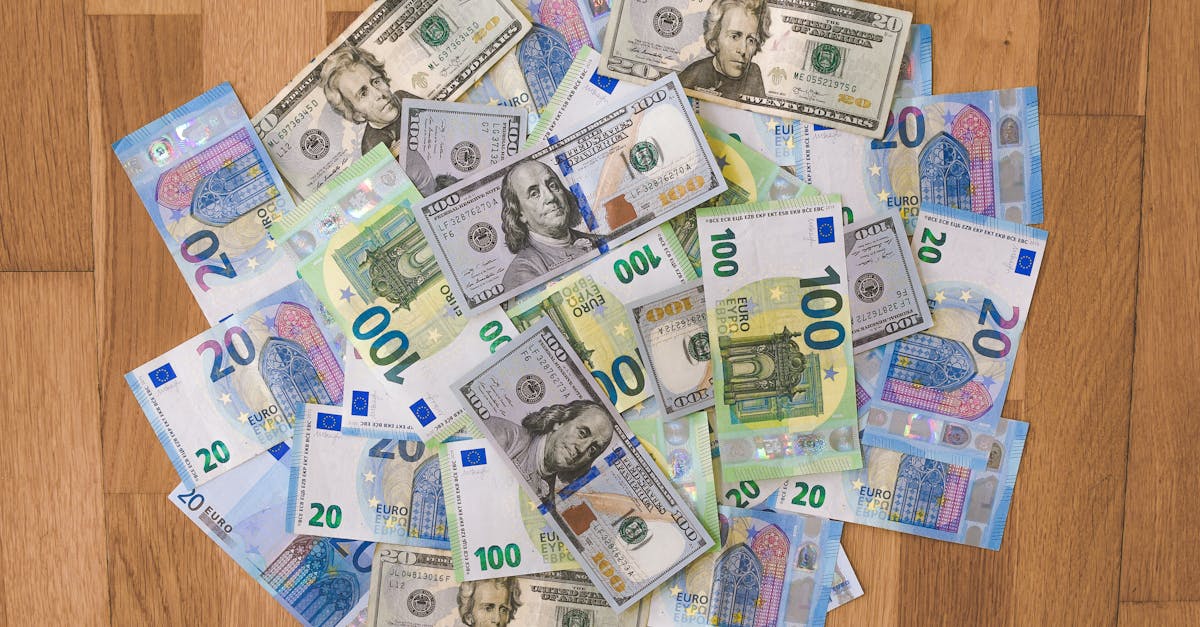
Imagine David at a café in Paris, a small latte priced at 4.50 euros. With the current exchange rate hovering around 1.15 euros to the dollar, that simple beverage now cost him about $5.18—roughly equivalent to a high-end coffee shop price back in Omaha. As a family that typically refrained from needless spending, the McCarthys knew they had to adjust their budget not just for groceries but for travel and leisure as well.
Inflation’s Role in the Currency Equation
Just last month, the Bureau of Labor Statistics reported that inflation had stabilized at 2.4%. Meanwhile, the dollar had been meandering in the global marketplace, straining against both the euro and British pound. With a U.S. unemployment rate clocking in at 4.4% and an interest rate of 3.64% set by the Federal Reserve, these numbers mattered. When inflation hovers, the dollar’s purchasing power erodes, leaving families like the McCarthys to adapt their daily expenditures.
David decided to dive deeper into just how the dollar’s value affected everyday purchases. With fuel prices fluctuating alongside this uncertainty, filling up the family minivan for road trips meant keeping a careful eye on budgets. Gasoline that used to cost $3 a gallon at the local station now frequently soared above that benchmark.
A Broader Picture on Import Prices
For the McCarthys, their grocery budget wasn’t the only concern. As many Americans may relate, imports composed a significant part of daily necessities. The dollar’s comparison against foreign currencies caused imported items to either skyrocket or stabilize in price. Brands they loved—especially those European delicacies or even Japanese electronics—had recently seen price jumps. Suppose a high-quality imported pasta previously costing $2.00 had now witnessed a price bump to $2.50 due to shifts in exchange rates. While the increase seems minor, for a family that buys two or three boxes bi-weekly, it meant redirecting funds from pizza night to a simple pasta dish.
The ripple effects of exchange rates were dizzying. A sustained weak dollar fuelled worries not only at home but also impacted local businesses reliant on foreign materials. Upscale retailers in Omaha that often stocked imported goods braced themselves for sales slumps, expecting consumers would opt for more budget-friendly local options.
A Reflection in the Mirror
As the McCarthys settled down for Sunday dinner—now fast-food burgers instead of their planned steak dinner—they reflected visibly on how exchange rates changed their lives. David couldn’t help but look at his family’s plates and think about how those dynamics, from quarterly reports to fluctuating international prices, directly influenced their meals and experiences.
For many American families, the reality of exchange rates is more than a distant financial concept; it blends intimately with their everyday choices. With the dollar’s value ebbing and flowing like the tide, families like the McCarthys face monthly decisions that align their desires with what the currency markets dictate.
Their sweet breakfast ritual had taken a sharp turn, revealing the broader canvas of economic interplay. Ultimately, navigating these economic waters would mean redefining plans, embracing flexibility, and perhaps most poignantly, savoring every moment—even during the uncertain times.