The Family Vacation Dilemma
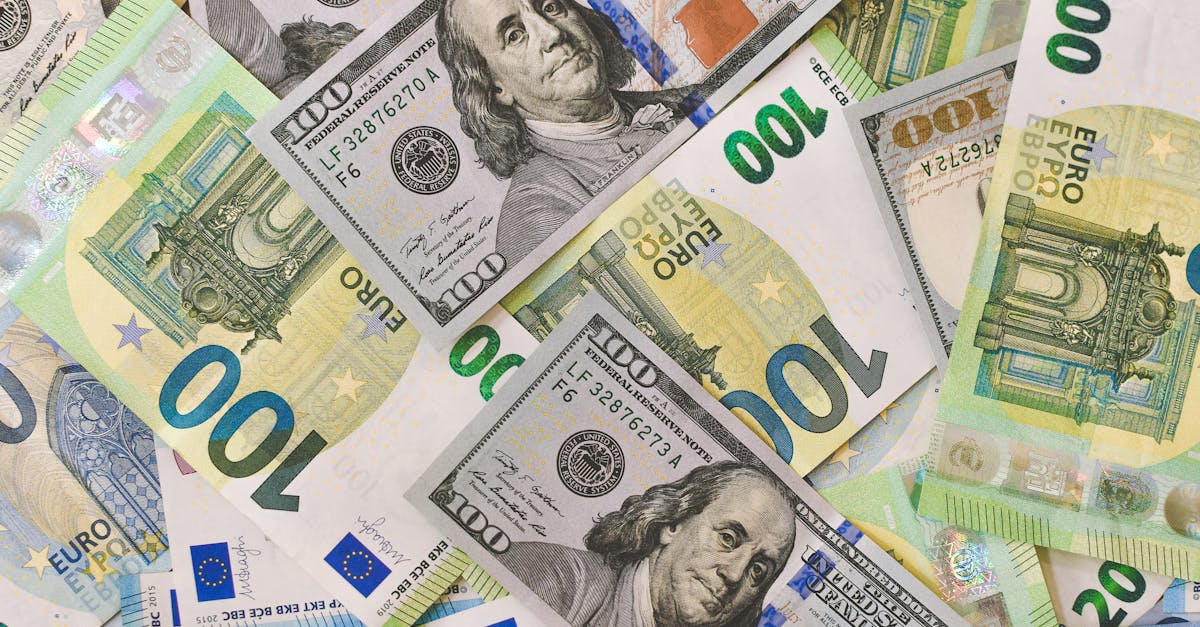
Imagine a typical family from suburban Ohio, the Johnsons. With the summer approaching, they’re excitedly planning a vacation to Europe, a long-cherished dream. As they sit around the kitchen table poring over travel brochures, the conversation shifts to money. How much will their dollar stretch in Paris or Rome? The excitement turns into a tangible worry as they learn the current exchange rates: $1 buys about 0.85 euros.
This exchange rate, while seemingly straightforward, holds the power to influence their entire trip. Not only does it shape the prices of hotel stays and lunches by the Eiffel Tower, but it also acts as a compass steering their vacation budget. If the dollar weakens, what they envisioned as a $5,000 trip may turn into something far more expensive, like $5,800, given the nature of currency conversions. That affects their plans, forcing a reality check on whether to choose a modest hotel or a more lavish experience.
Currency’s Hidden Hands
The exchange rate, much like an invisible puppet master, ties into a complex web of factors affecting everyday life. As of now, the U.S. is grappling with inflation sitting at 3.8%, a rate that influences purchasing power at home and abroad. Surging consumer prices mean that while the dollar retains some strength, its purchasing ability declines, making every euro just a bit pricier for the Johnsons.
Consider the labor market: unemployment is at 4.3%, providing a cushion for consumers — meaning more jobs and disposable income, yet the pinched perception of inflation makes families think twice. The Johnsons might want to confirm their airport parking costs, anticipating that rising prices could consume more of their careful budget.
A Business Perspective: The Ripple Effect
Meanwhile, across town, there’s a small coffee shop owned by Maria, who imports beans from Brazil. The coffee industry is particularly susceptible to exchange rate fluctuations. When the dollar rises against the Brazilian real, coffee prices stay stable, benefiting Maria and her customers. If the dollar weakens, she’ll either absorb the rising costs of imports or pass them on in higher menu prices, risking a decrease in foot traffic. When the dollar trades at roughly 5.55 reais, Maria feels optimistic, but with whispers of a potential dip to 5.20, a looming increase in supply costs puts her on edge.
Interest Rates: The Balancing Act
Additionally, the Federal Reserve’s bench decisions have left interest rates hovering around 3.64%. This rate affects how banks lend and how consumers like the Johnsons engage with mortgages and credit, influencing their spending not just domestically but also when planning international trips. If the Fed signals a move to boost interest rates to counter inflation, it could further strengthen the dollar, providing short-term benefits to families and businesses traveling abroad but harming those who rely on exports — perfectly balancing delicate economics.
A Vacation Revisited
Back to the Johnsons, they decide to tighten the budget and still enjoy a European vacation. Thanks to the current exchange rate and a bit of savvy planning, they’ll explore local bistros instead of tourist traps, making their dream both economically feasible and enriching.
As they kick off their adventure with a toast outside a café in Paris, they may feel grateful for their choices. But behind this idyllic moment lies a complex interplay of exchange rates, inflation, and the Fed’s decisions, all shaping their experience in unexpected ways.
In a world where $1 can translate into something entirely different across oceans, the Johnsons embody the new reality—where exchange rates impact the daily lives of families, businesses, and economies tied together in an intricate dance through the global marketplace.