A Family’s Journey through the Trade Maze
Underneath the soft glow of a kitchen light, Maria and Jack sit with their two kids, scrutinizing a recent price hike on imported toys. As they flip through flyers from local stores, a sudden realization strikes: their family budget increasingly feels the impact of global trade. Ever since the pandemic took a toll on supply chains, the balance of trade has become as important as the weather forecast in their household conversations.
Take a moment to think about what happens when the trade balance shifts. In the latest figures released by the Bureau of Economic Analysis (BEA), the trade balance for September revealed a deficit of $73 billion. This number doesn’t just represent a statistical anomaly on a government report, but rather a reflection of Maria’s experience at the toy store. With the United States importing far more than it exports, shelves are lined with items shipped from overseas while domestic production struggles to keep pace.
To Maria and Jack, these statistics translate to tangible increases in prices. For instance, a bright red toy truck that used to retail for $20 now costs them $25—a 25% increase in just a few months. They ponder the reason behind this sharp jump, unaware that the steep costs of shipping and an increasingly competitive global landscape are directly impacting their family’s purchasing power.
The Pinch of Data
Maria might not be an economist, but she quickly connects the dots. The trade deficit essentially means that for every dollar the U.S. earns from exports, it spends about $1.30 on imports—much like if they were spending $130 on groceries but only bringing home $100 worth of food. Some experts suggest the situation lets inflation seep into everyday lives, fueled by delays and increased costs along those global supply chains.
She recalls a recent conversation with her neighbor, who runs a small woodworking shop. Bob has been swamped with orders, but his struggle to source quality lumber has led to significant delays. With softwood lumber prices increasing by 27% year-over-year, Bob is not alone. The Bureau of Labor Statistics (BLS) reports that output in sectors reliant on exports and imports, such as manufacturing and construction, are beginning to show signs of stress.
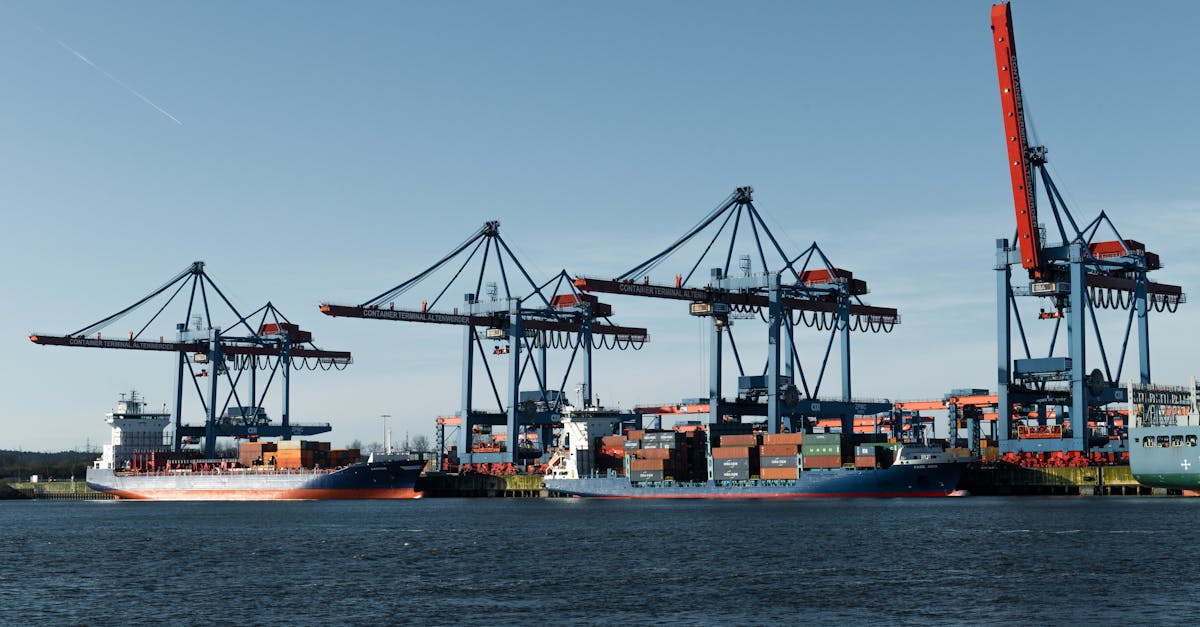
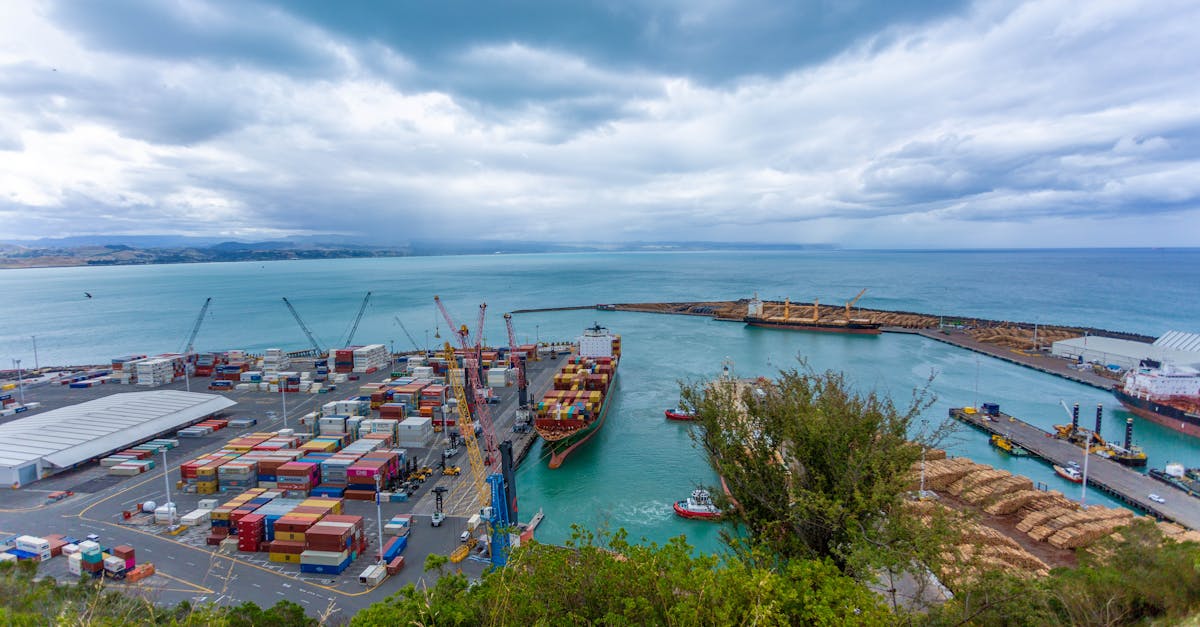
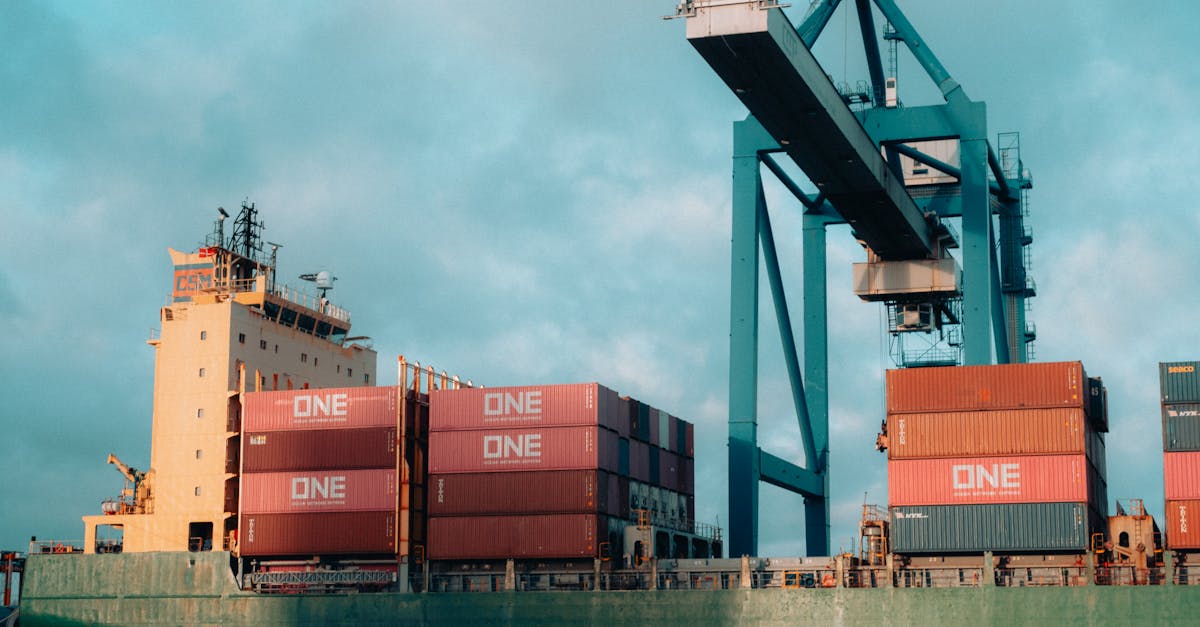
This delicate balance shapes the climate of local businesses in ways that echo far beyond their communities. As U.S. exports totaled approximately $258 billion in September while imports soared to $331 billion, the economy seems to echo an old tale: while trade can bring in exotic goods, it can also erode local job stability and wage growth. Goods that once made their way from the lumberyard right to Bob’s shop now often arrive in bustling shipping containers from overseas.
Crafting a New Narrative
But just as Maria and Jack find themselves grappling with inflated costs, they also realize that this situation fuels innovation. Local markets are awakening to the necessity of supporting homegrown businesses. Craft fairs and farmer’s markets are thrumming with activity, offering families a chance to purchase local artisan goods and fresh produce. For Maria, attending these events has become a form of economic resistance. They meet small business owners whose creations bridge the gap in the absence of certain imported goods.
As the family sits down to dinner, Jack places a steaming bowl of homemade soup in front of them, crafted from ingredients sourced from a local farm. “This is what we need more of,” he says, flipping through a brochure from the farmer’s market, showcasing how local farms have started partnerships for direct sales.
Back at the Kitchen Table
With trade balances influencing prices and reshaping the economic landscape, Maria and Jack inevitably ask themselves, what does this mean for the fabric of their community?
In a way, the trade deficit serves as a double-edged sword, impacting prices and availability while inspiring innovative approaches to buying and consuming. They find hope not just in the numbers reported by the BEA or BLS, but also in their community’s resilience. As they sit together, embracing the tastes of home rather than the latest imported plastic craze, Maria realizes that even in a fluctuating economy, there is strength in local solutions.
As for the toy truck? They decide to skip the store for a while, opting instead for a handmade wooden version crafted by Bob, their neighbor. In doing so, they make a choice reflective of a community finding pathways through the complexities of trade.