The Dream Vacation
After a long year filled with balancing work and home life, the Sanchez family finally saved enough for their long-awaited trip to Europe. Maria meticulously planned every detail: from flights to accommodations, down to the meals they would enjoy while soaking in vibrant cityscapes. But as Jose, her husband, brought a new piece of information to the table during dinner one night, it wasn’t just the itinerary that shifted – their finances were headed for a bumpy ride.
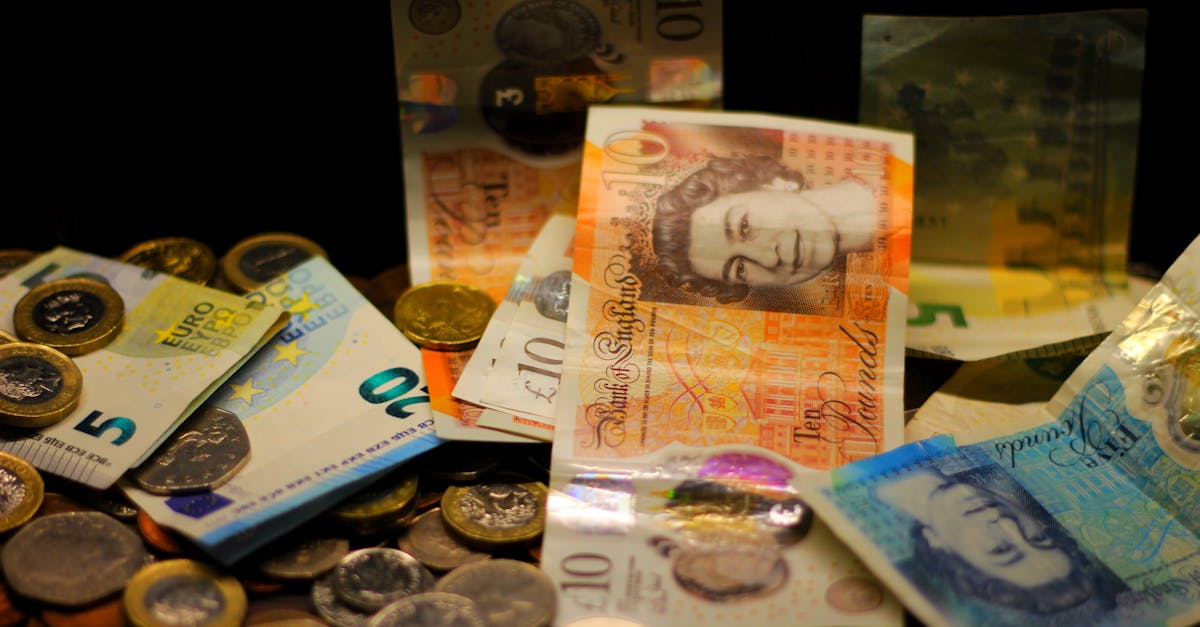
Jose had just checked the exchange rate for the euro against the dollar. The family’s travel budget was primarily in U.S. dollars, and as the euro strengthened recently, it meant that their dollar could buy less than before. A euro now hovered around 1.12 dollars, a significant adjustment from the previous year’s average of 1.10. In practical terms, this change is roughly equivalent to an extra $50 lost on the purchase of every $1,000 they intended to spend abroad. With a total budget of $5,000, that translated into a loss of almost $250, not insignificant for a family relying on every penny to enjoy their trip.
The Ripples of Currency Fluctuations
However, the impact of exchange rates is not limited just to international travelers. Take the perspective of small business owners like Sarah, who runs a quaint bakery in San Francisco. Sarah sources some of her ingredients from Europe, often purchasing quality chocolates and cheeses from suppliers who price their wares in euros. With the recent strength of the euro, she had to alter her pricing strategy and address the increasing costs.
The exchange rate not only affects what individuals pay for foreign goods but also factors into the broader economic environment. Data from the Federal Reserve shows that interest rates are currently at 3.64%, which influences how businesses like Sarah’s approach loans for expansions or new equipment. Higher rates often correlate with tightening wallets, causing customers to spend more cautiously. Given the 4.4% unemployment rate reported by the Bureau of Labor Statistics, Sarah felt the pinch early on – fewer customers meant she received less foot traffic than usual. As the bakery struggled to compete with the rising costs of imported ingredients, Sarah was compelled to make tough decisions: either raise her prices or cut back on staff.
A Family’s Dilemma
Back in the Sanchez household, Maria calculated their new vacation budget while contemplating Sarah’s plight. With inflation slightly higher at 2.4%, the family was already feeling the pressure on their local expenses. Groceries had nudged up, and as Jose crunched the numbers for their trip, it struck him that the vacation might not be as affordable as they had thought.
The thought of revising plans weighed heavily on them. Being able to savor authentic foods and enjoy activities they had dreamt about hinged not only on their careful budgeting but also on the fluctuating exchange rate that could dictate the quality of their experience overseas. Suddenly, the allure of Parisian bread and Italian gelato started to dim under the shadow of financial uncertainty.
Full Circle: Decisions Ahead
As the days marched closer to their planned departure, the Sanchez family gathered around their kitchen table once more, balancing both hope and concern. They were not just plotting their adventure; they were also engaging with the realities shaped by exchange rates, inflation, and the overall economic landscape.
With their destination enticingly out of reach and subtly manipulated by forces beyond their control, Maria suggested they might save a little longer or consider delaying the trip.
This moment brought everything full circle. The dreams of travel and experience, when tethered to economic realities, illuminated an all-too-common intersection of everyday life and global finance. In their world of cookies and currencies, the Sanchez family found themselves embracing caution while they navigated a delicate economic dance involving exchange rates, inflation, and personal aspirations.