A Closer Look at U.S. Labor Productivity
Amid ongoing economic strife, U.S. labor productivity has stagnated, with the latest data revealing a modest increase of just 0.6% in the final quarter of the previous year. This marked a stark contrast to a healthier growth rate of 3.1% recorded just a year earlier, raising alarms about the long-term health of the labor market and overall economic sustainability.
Productivity vs. Global Competitors
When set against the international backdrop, the situation appears even graver. The Organization for Economic Cooperation and Development (OECD) reported that U.S. productivity growth continues to lag significantly behind other advanced economies. Compared to countries like Germany and Canada, where productivity gains averaged around 1.5% over recent quarters, America’s struggles spotlight a concerning trend that could hinder global competitiveness.
The Drag of Inflation
Inflation has been a decisive factor dragging productivity metrics down. The Consumer Price Index (CPI) from the Bureau of Labor Statistics indicated a persistent inflation rate of 3.8%, squeezing profit margins, and impeding businesses from investing in technology and hiring skilled labor, both of which are essential for enhancing productivity. With prices rising faster than wages in many sectors, the purchasing power of consumers diminishes, leading to reduced demand and subsequently affecting output.
Employment Levels and Economic Pressure
On top of these inflationary pressures, the labor market is facing its own set of challenges. The unemployment rate has been gradually rising, currently at 4.3%, adding another layer to the productivity dilemma. Companies are now struggling to balance workforce needs with budget constraints, exacerbated by a persistent high-interest rate environment, last clocked at 3.64% by the Federal Reserve. This scenario not only restricts borrowing but also deters investments in capital, directly impacting productivity growth.
Risks of a Stagnant Workforce
A stagnant workforce poses a risk that could reverberate across multiple sectors. Experts caution that without significant increases in productivity, economic growth may reach a plateau. This scenario could invite a vicious cycle where insufficient output growth leads to lower investments, fewer job opportunities, and ultimately weaker consumer spending. The precarious trajectory hints at a broader economic malaise, where businesses could act cautiously, waiting for clearer indicators before committing to enhancement efforts.
The Challenge of Innovation
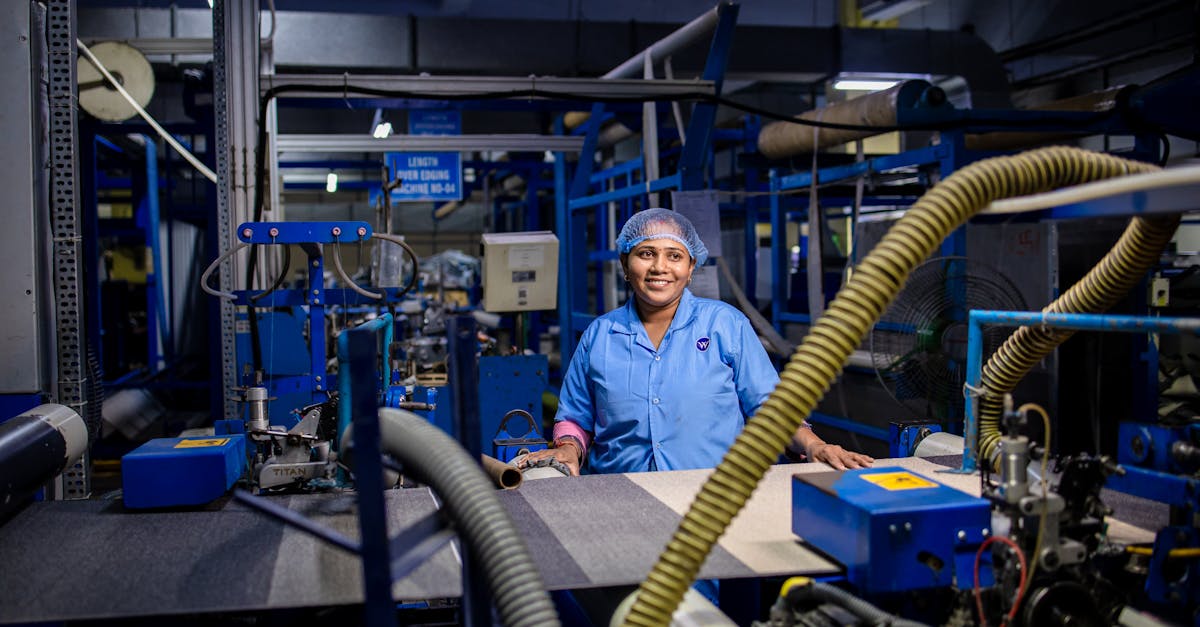
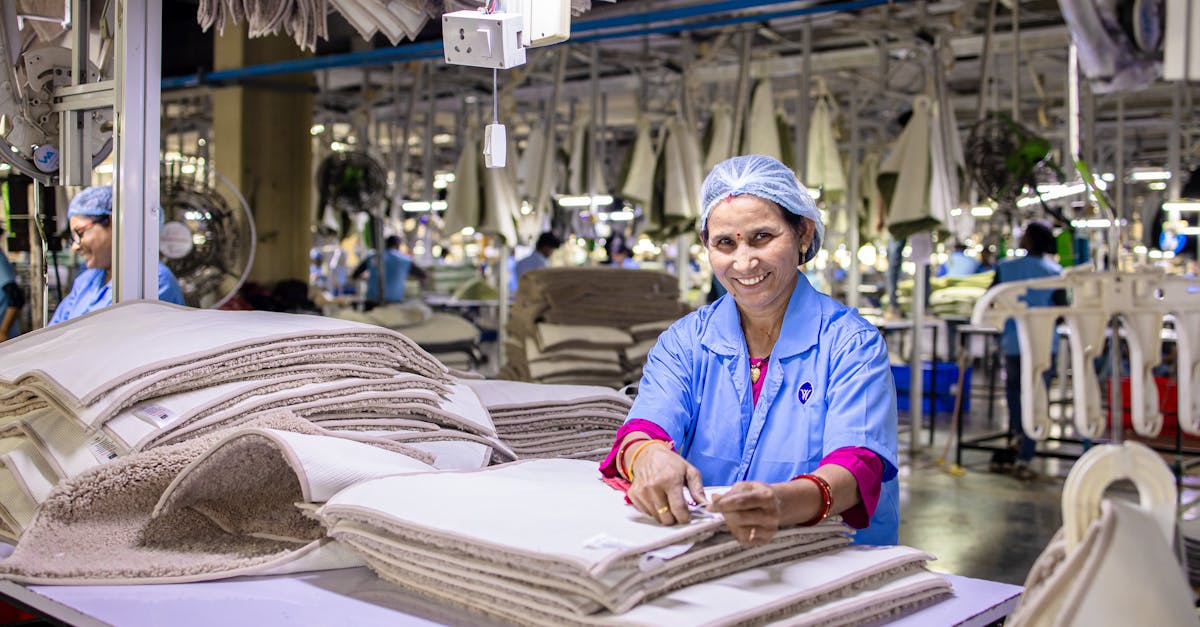
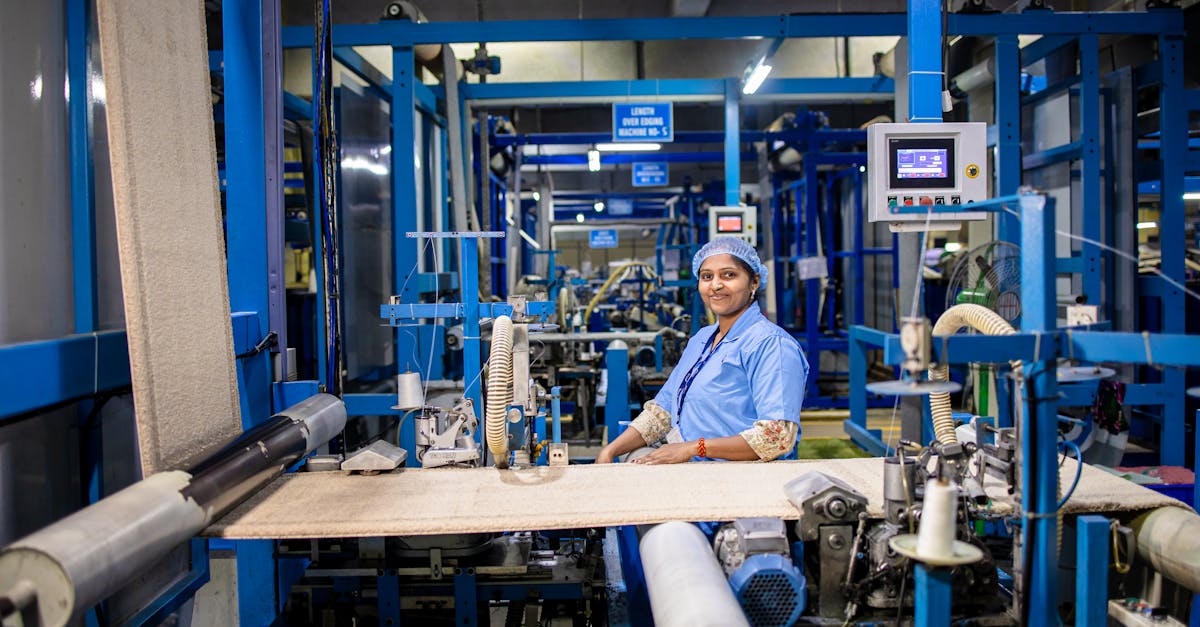
Innovation, the age-old catalyst for productivity improvement, is also facing headwinds. The emerging economic narrative demonstrates that while there are rapid advancements in technology, their translation into labor efficiency is lagging. Many industries are experiencing a lag in integrating cutting-edge solutions due to various factors, including skill shortages and high costs associated with training and development. In sectors like manufacturing and services, the potential for automation has yet to be fully realized—yet another opportunity slipping through the cracks.
An Evolving Economic Landscape
Looking ahead, economic policymakers and business leaders must pivot their strategies urgently. As pressure mounts from inflation, rising interest rates, and a shrinking workforce, a renewed focus on fostering innovation and investment in employee development may prove crucial. In a rapidly changing world, the ability to adapt and evolve may well determine the resilience of U.S. productivity levels, underscoring the imperative of action in the face of adversity. The path forward may be laden with challenges, but within those challenges could lie the seeds of substantial transformation—if only they can be cultivated effectively.