A Staggering Decline in Productivity
Labor productivity in the United States has taken a significant hit, evidenced by a disconcerting decrease of 2.4% in the last quarter—a stark contrast to the modest growth rates seen in previous years. This decline marks a stark shift in a post-pandemic recovery landscape that had initially heralded a robust rebound.
Contextualizing the Downturn
When we analyze this decline against a backdrop of historical performance, recent U.S. productivity growth has left much to be desired. In 2022, productivity had shown a modest increase of 3.1%. However, the latest data reveals that this downward trajectory has now positioned the U.S. well below many of its global peers, raising concerns among economists and policymakers alike. For instance, countries such as Germany and Canada reported productivity growth rates of around 1.2% and 1.5% respectively last year—comparatively stronger than the current U.S. data.
The Economic Environment
While we grapple with these productivity challenges, the broader economic climate offers little relief. Inflation continues to gnaw away at purchasing power, currently standing at 3.8%. Coupled with an unemployment rate of 4.3%, many workers are feeling the bite of stagnant wage growth. An interest rate of 3.64% further complicates borrowing costs for businesses, hindering their capacity to invest in productivity-enhancing technologies and workforce development initiatives.
Sector-Specific Insights
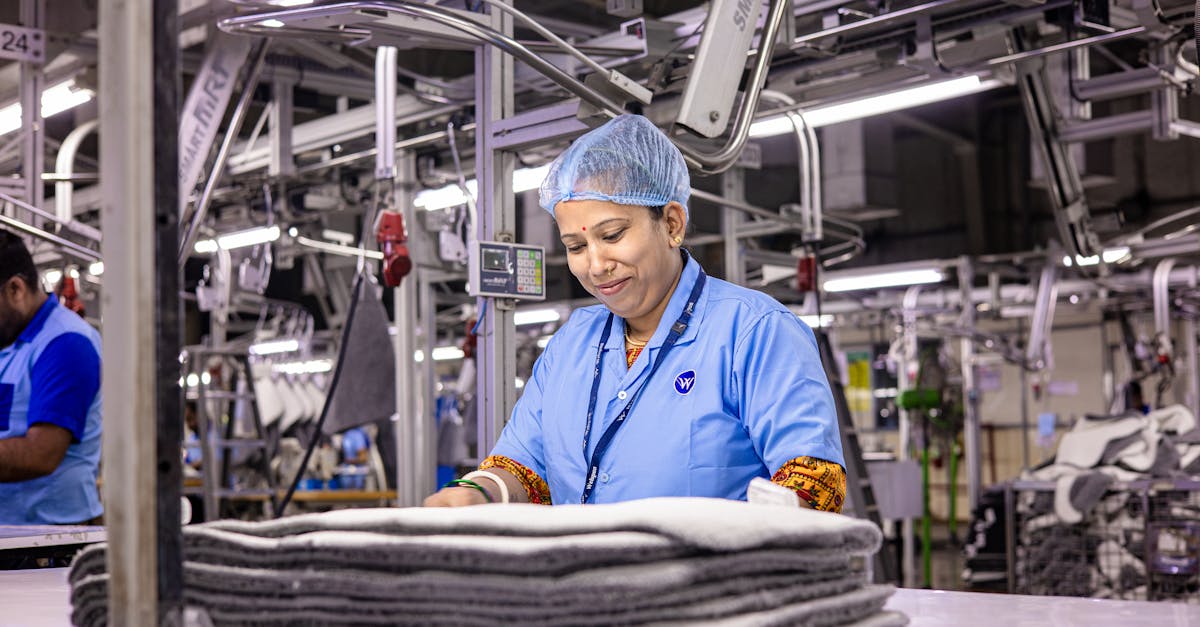
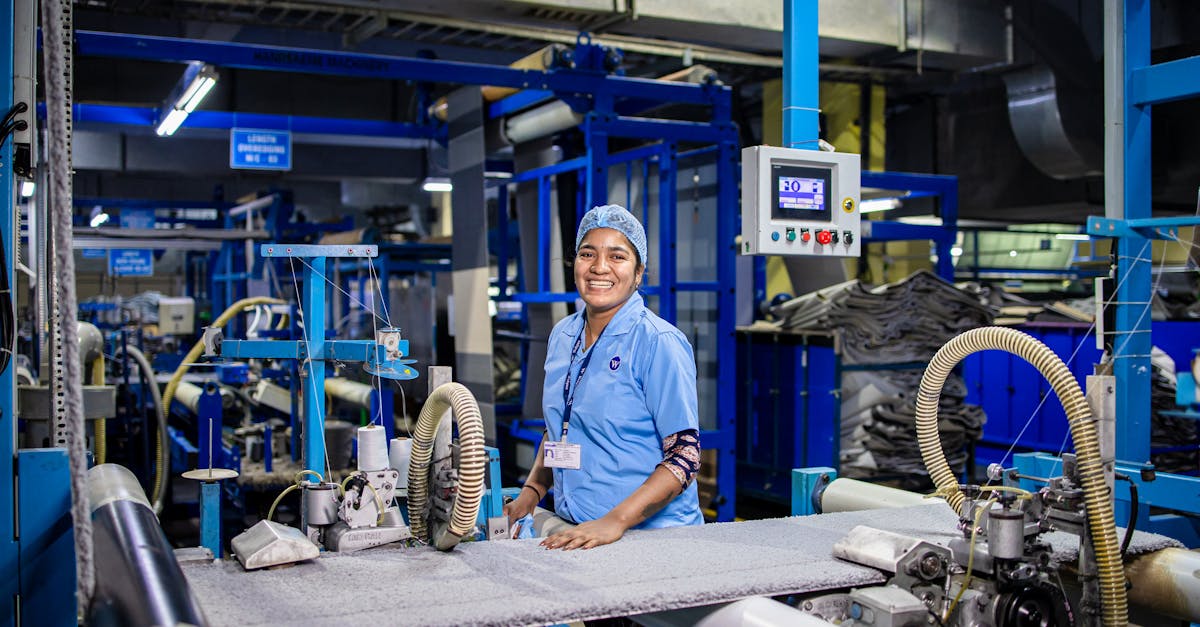
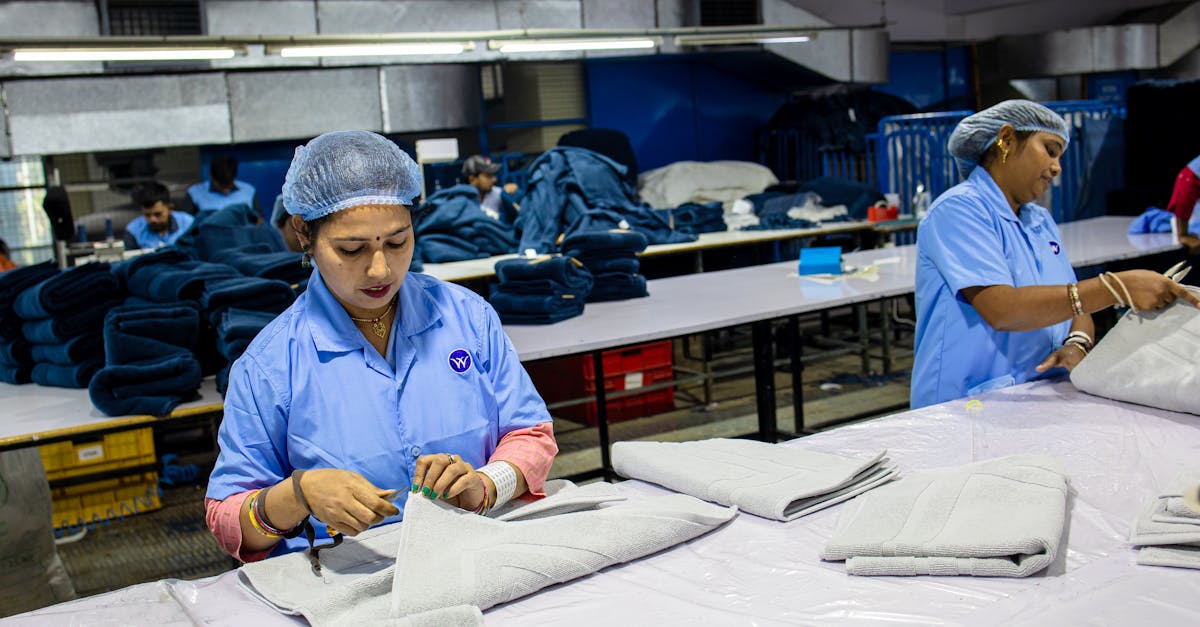
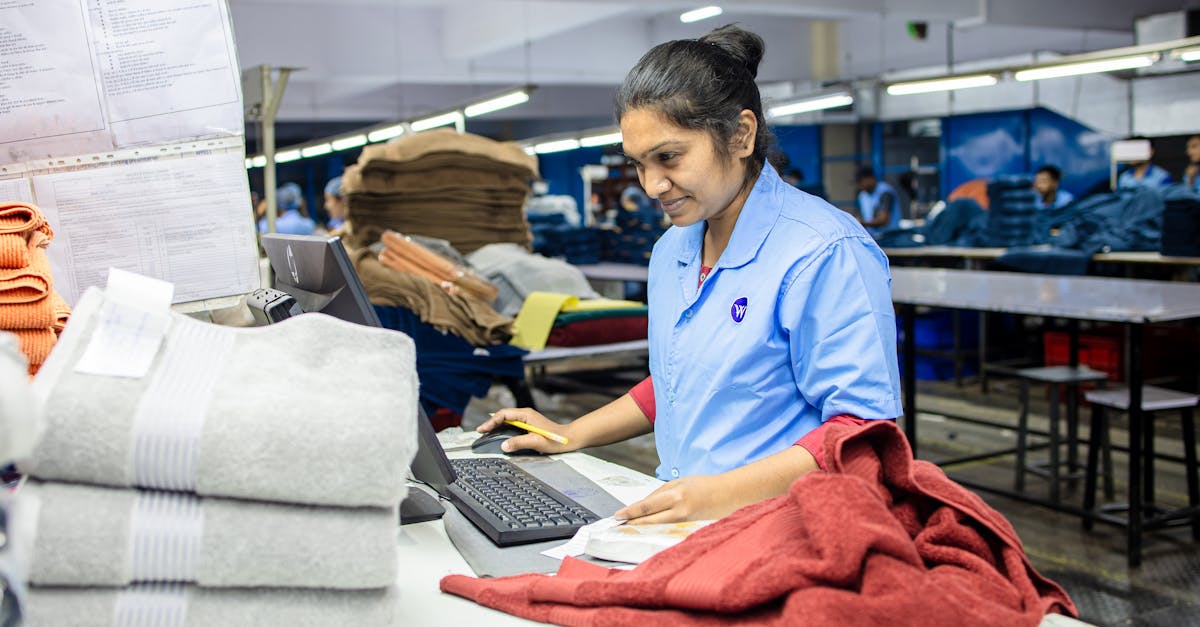
A closer inspection of sectors reveals that the most profound productivity losses stem from the manufacturing and wholesale trade industries, which have been adversely affected by rising input costs and disruptions in supply chains. These are sectors traditionally known for their ability to leverage economies of scale; however, they’re now finding it increasingly difficult to maintain momentum in efficiency improvements. In manufacturing alone, productivity fell by 3.5% as businesses struggled to cope with elevated raw material prices, subsequently squeezing profit margins and operational viability.
Unpacking the Consequences
The implications of this productivity slump extend far beyond mere numbers on a screen. Sustained productivity growth is fundamental for increasing wages and, by extension, consumer spending—the cornerstone of economic dynamism. As productivity falters, so does the potential for growth in both corporate profits and individual livelihoods. The decline can stymie investments in innovation and technology, critical ingredients for boosting competitiveness.
The Path Forward
Despite these hurdles, not all is lost. New initiatives focused on education, workforce training, and technological investment are critical for reversing this downward trend. Policymakers have a window of opportunity to realign strategies that not only target inflation and interest rates but invigorate productivity growth—a necessary pillar for a truly robust recovery.
As businesses and economists turn their gaze towards future productivity enhancements, creativity and adaptability may just be the ingredients needed to navigate this challenging landscape. The call for innovative solutions—both in workplaces and policy spheres—is ever more pressing, as the quest for efficiency and economic resilience becomes a defining challenge of our times.