The Productivity Squeeze
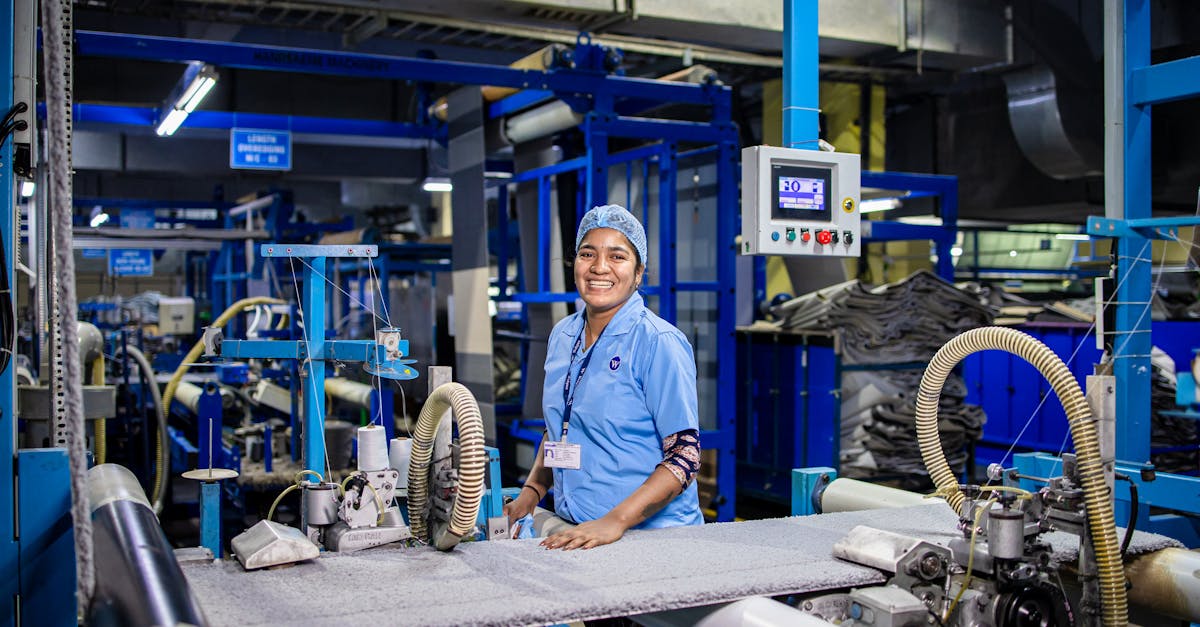
U.S. labor productivity experienced a disappointing 0.8% decline in the last quarter, raising alarms among economists concerned about longer-term economic growth prospects. This contraction underscores a persistent trend of stagnation as America’s workforce struggles to keep pace with rising costs and changing market conditions.
A Global Context
While the dip in productivity is troubling on its own, it starkly contrasts with global competitors. According to data from the Organization for Economic Cooperation and Development (OECD), labor productivity in Germany surged by 1.2% in the same period, reflecting a robust response to both labor and technological inputs. Furthermore, Japan maintained stable productivity levels amidst its own demographic challenges, demonstrating that innovation and adaptation remain crucial for sustained growth.
Inflation’s Role
The backdrop of 2.4% inflation, reported by the Bureau of Labor Statistics, emphasizes the strain on American workers’ purchasing power and, consequently, productivity. The cost pressures eating into real wages may disincentivize businesses from investing in workforce training or technological improvements that could bolster efficiency. As inflation persists, the uneven field of productivity across different sectors further complicates recovery efforts.
Employment Landscape
The employment rate sits at 4.3%, a number that hints at a tight labor market, yet does little to alleviate concerns over productivity levels. High unemployment often correlates with economic turbulence; however, the discrepancies here suggest that job growth alone cannot drive productivity gains. The Federal Reserve’s interest rate stands at 3.64%, which continues to apply downward pressure on borrowing costs and investment in innovation.
The Ripple Effect of Interest Rates
Interest rates significantly impact business decisions regarding capital investment. As the Fed implements monetary measures to curb inflation, higher borrowing costs could deter companies from investing in productivity-enhancing technologies. Data from the latest Federal Reserve reports indicate that when companies hesitate to invest due to increased rates, overall productivity gains stagnate, leading to a cyclical issue as the economy struggles to climb back.
Sectors in Distress
Particular sectors are struggling more than others. For instance, manufacturing faced productivity setbacks as supply chain disruptions continue to compound. In contrast, tech and service industries, while not immune to macroeconomic pressures, tend to display resilience, suggesting divergence in how various sectors respond to economic headwinds.
Forward-Thinking Solutions
The path forward will require inventive policies to spur productivity. Potential solutions might involve targeted tax incentives for innovation or improved training programs to upskill the workforce, aiming to increase efficiency and economic dynamism. Policymakers must invigorate investment strategies that favor long-term productivity enhancements over short-term measures.
The current labor productivity landscape paints a troubling picture that demands urgent attention and innovative solutions. As the economy adapts to higher inflation and interest rates, the emphasis on embracing technology and reforming labor practices could ultimately reshape the trajectory for U.S. productivity.