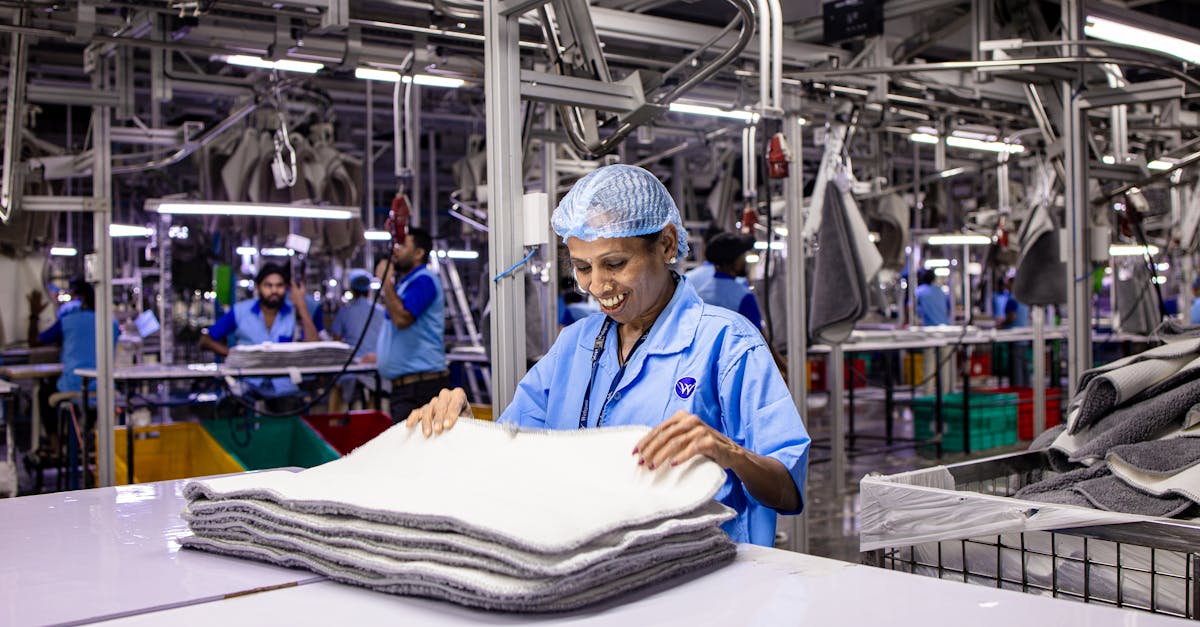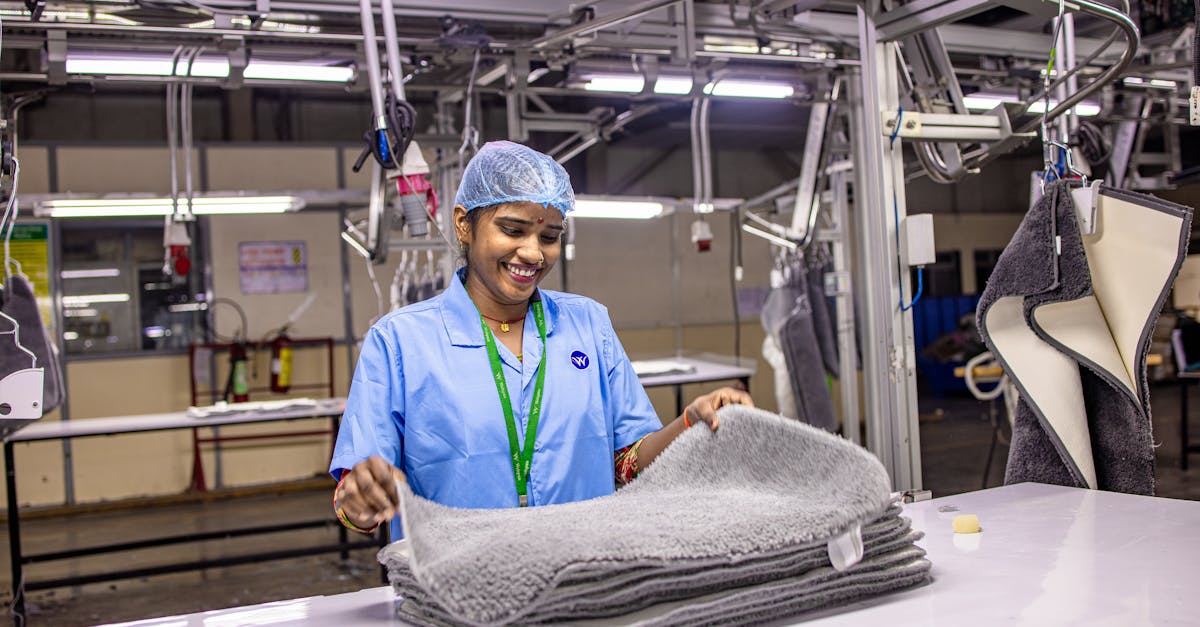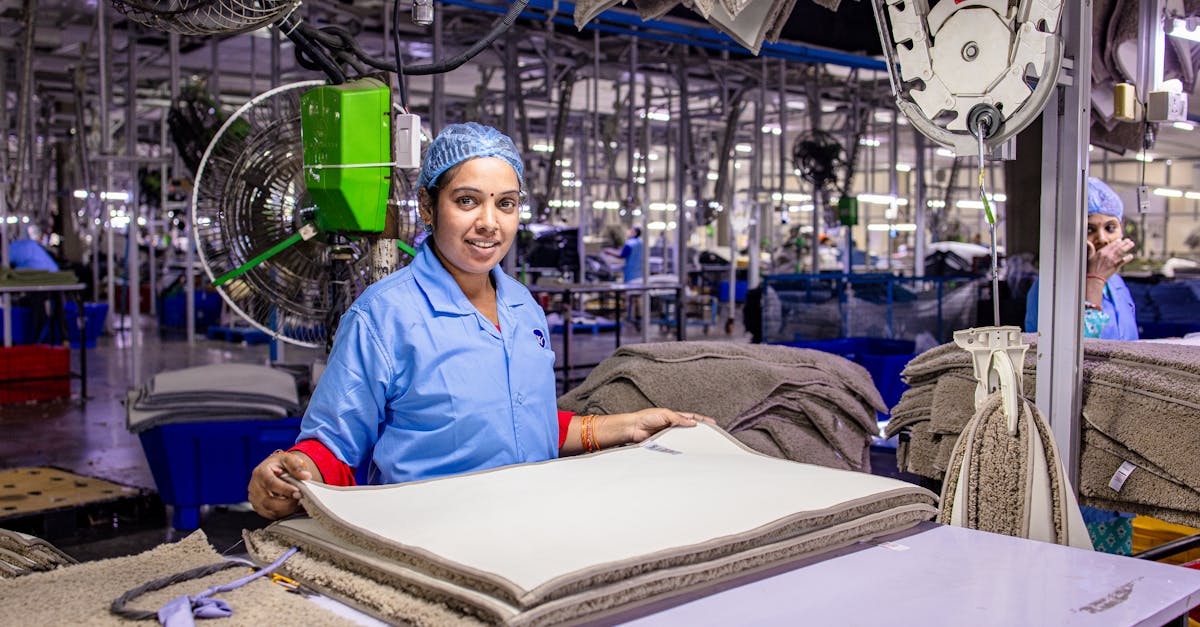
Labor productivity in the United States recorded a robust increase of 3.5% in the last quarter, igniting conversations about the ongoing evolution of efficiency in the workforce. This marks a notable uptick compared to a mere 1.4% rise in the previous year, indicating that American workers are generating more output per hour than they have in quite some time.
Navigating Global Waters
When viewed through a global lens, the U.S. stands out amidst competitors. For example, labor productivity in the Eurozone languished at just 1.8% growth in the same period. Similarly, Japan reported a modest 1.2% increase. This divergence highlights the resilience and adaptability of the American labor force, despite facing headwinds fueled by ongoing inflationary pressures, notably hitting 2.4%.
Inflation’s Unyielding Grip
While productivity metrics are commendable, the specter of inflation looms large. With prices climbing at a rate of 2.4%, the narrative becomes more complex. Real productivity growth—adjusted for inflation—paints a less rosy picture. If wages aren’t keeping pace, the benefits of increased productivity could be eroded for the average worker, limiting the real purchasing power of households.
The Bureau of Labor Statistics (BLS) indicates that average hourly earnings, despite improvements, have not fully countered the rising cost of living, further complicating the labor landscape. Thus, while productivity plays a critical role in defining economic health, inflated costs may stifle potential gains made in this area.
Unemployment and Its Shadow
As of early March, unemployment sits at 4.3%. While this figure shows solidarity compared to historical highs, the persistent rate does call into question whether growth in productivity translates into broad-based economic benefits. If businesses automate or enhance productivity without addressing workforce needs, the dichotomy between productivity gains and job security widens.
That disparity takes on an urgency when examining sectors like manufacturing and services, which, while seeing productivity gains of up to 6.5%, face staffing shortages that could temper future growth. Fewer workers might mean higher output per worker for now, but at what cost long-term?
The Future: Unfolding Opportunities
The landscape ahead suggests a potential recalibration. Investments in technology and worker training may open new avenues for sustained productivity gains. Moreover, the push for a more skilled workforce aligns with productivity enhancements that could bolster economic stability. However, it remains crucial to ensure these advancements translate into tangible benefits for workers, allowing for real wage growth alongside productivity improvements.
As we tread deeper into this era challenged by inflation and workforce dynamics, the pressing question remains: Can America sustain this productivity momentum while building an inclusive economy that truly benefits all segments of society?