Declining Productivity: A Red Flag for Growth
Labor productivity in the United States saw a significant drop, falling 2.4% in the latest quarterly report. This decline poses urgent questions for an economy already grappling with a 3.3% inflation rate, leading to fears of stagnation in the midst of rising costs and interest rates, currently pegged at 3.64%.
Contextualizing the Numbers
When examining productivity on a global scale, the U.S. is being challenged like never before. In comparison to other advanced economies, such as Germany and Canada, which have observed more stable productivity figures, the American decline is alarming. This drop marks a stark contrast to the 1.5% increase recorded in these countries, underscoring a growing productivity gap that could hinder U.S. competitiveness in a global market increasingly driven by efficiency and innovation.
The Wages Dilemma
Labor productivity is intrinsically linked to wage growth. With a productivity contraction, companies typically face tougher decisions regarding employee compensation. Currently, as unemployment hovers at 4.3%, businesses must navigate between maintaining operational costs and rewarding employee performance. A stagnating productivity rate may lead to a chilling effect on wages, complicating recent gains made in labor negotiations.
The Intersection of Policy and Productivity
The Federal Reserve’s current interest rate of 3.64% reveals a tightening monetary policy aimed at curbing inflation without stifling growth. However, the sustained rise in interest rates amplifies the risks associated with low productivity. Investors may become more hesitant, affecting capital investments in labor-saving technologies and innovations essential for reversing the downward trend in productivity. Fiscal policies need to sync with labor market trends; otherwise, they risk exacerbating the current predicament.
An In-Depth Look at the Sectoral Impacts
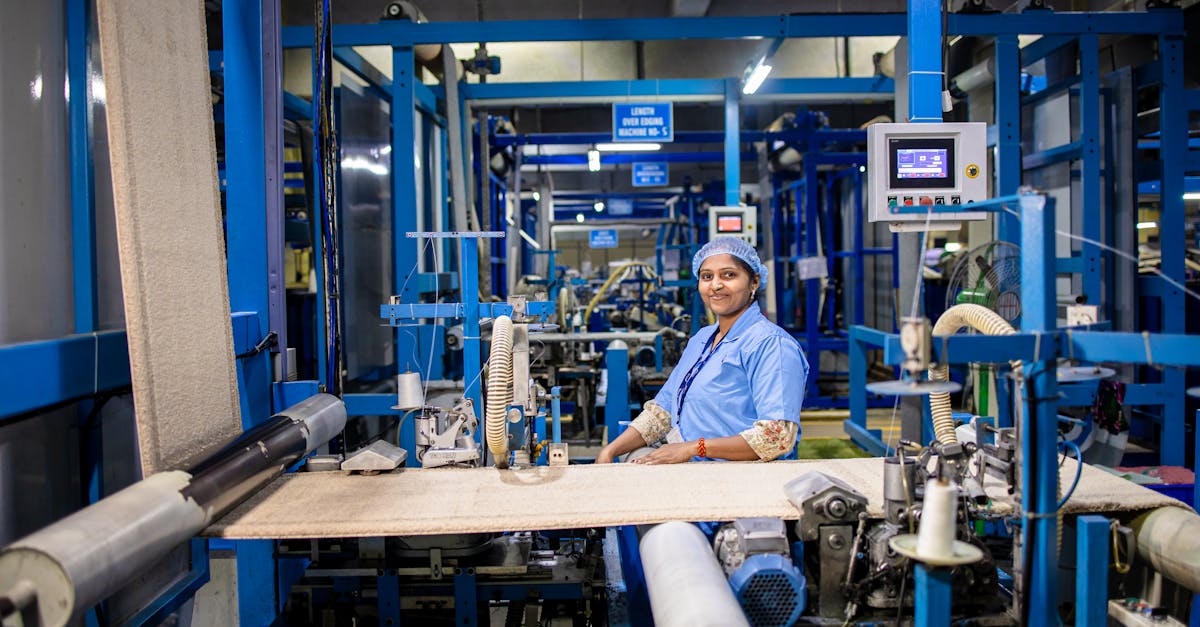
A sector-wise analysis reveals that industries such as manufacturing and services are under particular pressure. The manufacturing sector experienced a 3.3% fall in productivity, significantly higher than the average. This sector’s struggles can often be attributed to supply chain disruptions and increased labor costs exacerbated by inflationary pressures. Conversely, sectors that have embraced digital transformation and automation are witnessing more resilience, highlighting that the path to recovery may be uneven and heavily influenced by sector-specific dynamics.
The Road Ahead: Innovation or Decline?
Looking forward, the path to revitalizing labor productivity will require a robust investment in technology and skills training. As companies adapt to high inflation and interest rates, a strategic pivot towards enhancing productivity could become a priority. Encouragingly, sectors investing in human capital and technological solutions show promise of breaching the current productivity plateau. However, without initiatives that actively foster innovation, the U.S. risks becoming increasingly vulnerable to international competition, especially as global markets focus on advancing productivity metrics.
The economic narrative is at a critical juncture; the path toward improved labor productivity will either become a rallying point for structural reforms or a stark warning of the costs of inaction.