$1.7 Trillion in Debt Increase
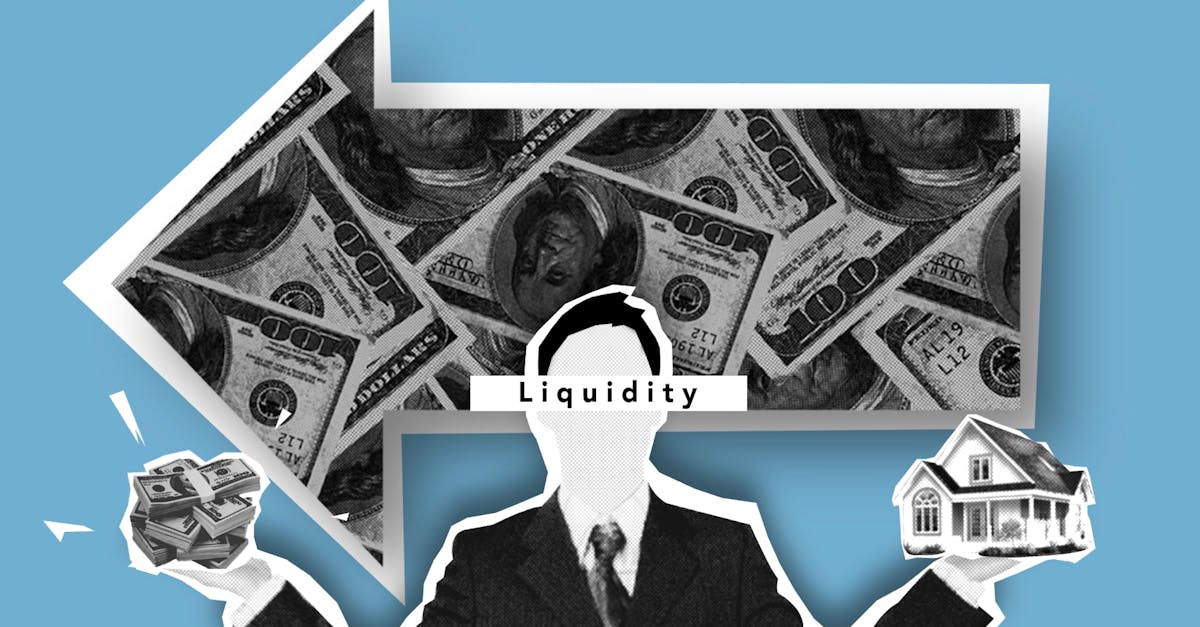
The federal government’s debt soared by $1.7 trillion in the last fiscal year, culminating in a total debt of over $33 trillion. This staggering figure isn’t just a number; it embodies the resources allocated to manage public services, fund national defense, and stimulate economic growth without the immediate revenue to cover such expenditures. As a result, the burden of this debt will inevitably trickle down to every American household.
Balancing Act: Stimulus vs. Austerity
Currently, the federal budget deficit stands at $1.4 trillion, reflecting a persistent imbalance where expenditures eclipse revenues. The situation underscores the dual challenge policy makers face: invigorating economic activity while managing inflationary pressures. A recent adjustment in discretionary spending, which has seen cuts of approximately 5% in fiscal allocations, indicates a shift toward budgetary restraint. However, these cuts may limit federal investment in infrastructure and education, slowing long-term growth.
The Personal Touch: Everyday Consequences
For the average American, rising interest rates — which have climbed to approximately 5.25% set by the Federal Reserve — mean higher borrowing costs. This environment discourages consumer spending, with a recent report reflecting a 0.4% dip in consumer expenditures on durable goods. What this means is less money for everything from home appliances to vehicles, restricting families’ purchasing power just as holiday shopping season looms.
The Ripple Effect on Job Sectors
Fiscal constraints also weigh heavily on employment sectors that rely on government contracts. The federal government employs about 2.1 million civilian workers directly, along with millions more in contractor roles. As federal budgets tighten, these jobs may be at risk, leading to layoffs in construction, technology, and services. The recent unemployment figure, holding steady at 3.8%, could see an uptick if fiscal policy continues to pursue austerity over expansive spending.
A Mixed Outlook for Small Businesses
In a landscape where 99.9% of U.S. businesses are classified as small (according to the Small Business Administration), fiscal policy impacts small business loans and grants. Higher interest rates can deter entrepreneurs from initiating or expanding their ventures. The latest data from the Fed shows a 10% decline in loan applications from small businesses compared to last year, representing a significant hindrance to local economic growth.
Public Sentiment and Political Implications
Public perception around fiscal policy is shifting. Recent polling indicates that nearly 70% of Americans are concerned about rising national debt. This sentiment may influence voters prioritizing fiscal responsibility in upcoming elections, potentially reshaping policy agendas toward more sustainable budgeting practices. As upcoming midterms approach, candidates will likely face pressure to address this growing anxiety surrounding government spending.
The Path Forward: What’s Next?
As lawmakers grapple with the realities of this financial tightrope, they must consider innovative solutions to tackle the growing national debt while fostering economic growth. The interplay of fiscal policy will undoubtedly continue to reverberate through every household and sector across the economy.