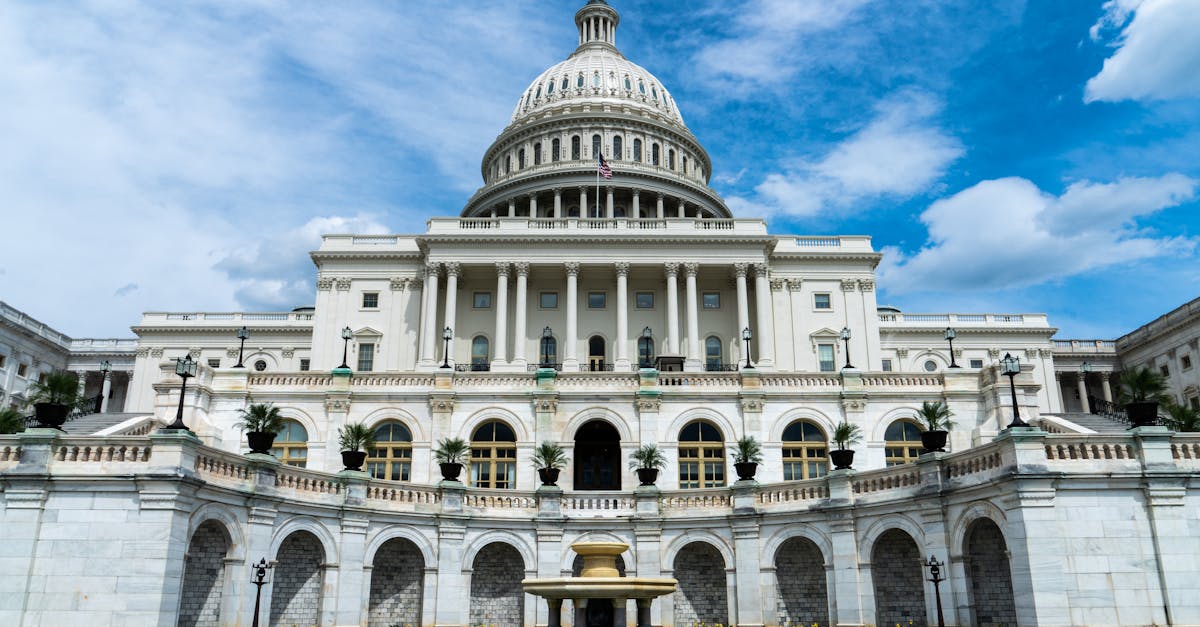
$31.5 trillion: The US National Debt
As of late September 2023, the national debt climbed to a staggering $31.5 trillion, a figure that resonates deeply across economic landscapes. When you break this down, it translates to nearly $94,000 per citizen, an eye-watering amount that frames the discussions around fiscal policy today. Against a backdrop of various economic challenges, this growing debt raises urgent questions about government spending priorities and overall financial sustainability.
Spending vs. Revenue: A Balancing Act
In the current fiscal year, the federal deficit is projected at $1.7 trillion, according to the Congressional Budget Office. This deficit results from expenditures vastly outpacing revenues, with the federal government collecting an estimated $4.9 trillion versus spending $6.6 trillion. The numbers expose a serious imbalance that has necessitated borrowing, further inflating that ominous debt figure.
The Human Cost: Inflation Erosion
At 3.7% year-over-year as of August 2023, inflation continues to eat away at purchase power, challenging consumer wallets. Wage growth has struggled to keep pace, rising only 4.3%, as reported by the Bureau of Labor Statistics. For everyday Americans, this discrepancy means that each paycheck stretches less, amplifying the impact of fiscal policy decisions on daily life.
Infrastructure Stimulus: A Double-Edged Sword
The $1.2 trillion Bipartisan Infrastructure Law, passed in November 2021, sets an ambitious course for revitalizing American transport and utilities. While the initiative promises to inject jobs and growth into the economy, the fiscal implications have raised eyebrows, especially amid rising interest rates. The Federal Reserve’s ongoing monetary policy adjustments, which aim to combat inflation by tightening money supply, complicate the net benefits anticipated from such fiscal expanses.
Impact on Interest Rates: A Ripple Effect
As the Fed continues to hike interest rates, now averaging 5.4% for federal funds, the cost of servicing growing debt becomes more burdensome. A rough estimate suggests that just the interest payments on the national debt will soar to $663 billion in fiscal 2023 alone. This reality provides a challenging environment for future fiscal policy, as higher interest payments could limit funds available for crucial social programs.
What Lies Ahead for Households?
Through the lens of fiscal policy, American households face an uncertain horizon. Even with job gains—recorded at 336,000 in August—the persistent inflation and increasing interest rates present a convoluted economy. In essence, families could feel the squeeze more acutely if spending cuts or tax increases loom as solutions to the burgeoning deficit.
The Road to Recovery
In this intricate dance between fiscal policy and economic reality, forecasted outcomes remain murky. As the government grapples with its budgetary choices, American households stand to be pivotal in the economic narrative, influenced deeply by the policies set forth. Only time will reveal the long-term repercussions of current fiscal strategies and the potential need for reform.