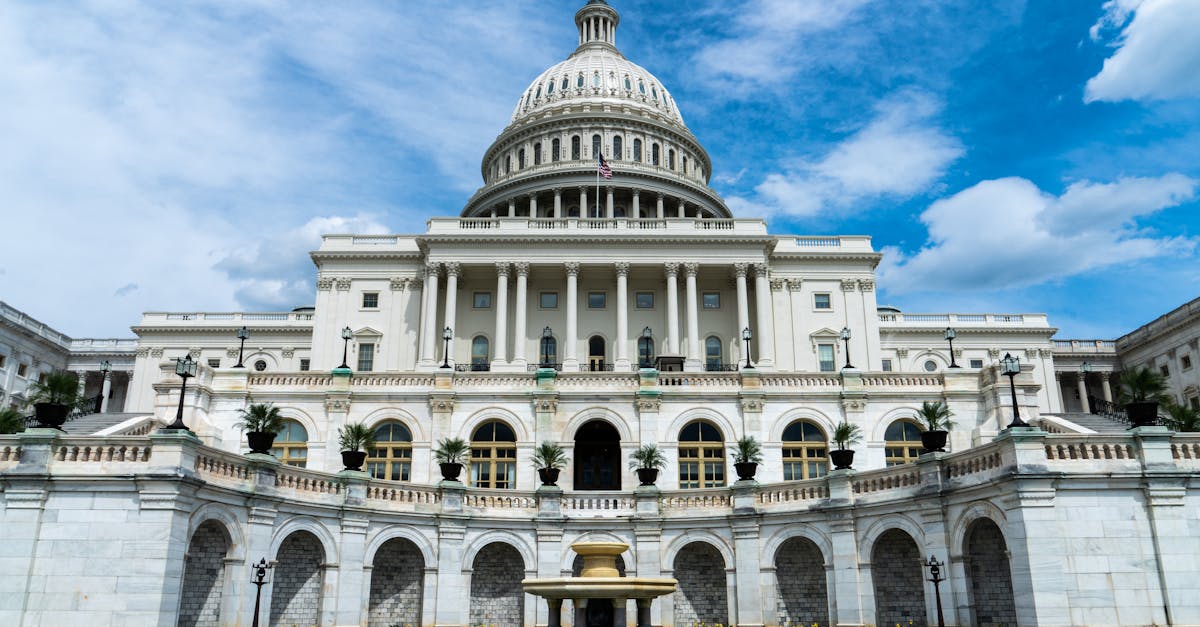
33 Trillion Dollar Debt: A National Burden
The United States now carries a staggering $33 trillion in national debt, an unprecedented figure that overshadows previous fiscal peaks. This debt accounts for nearly 125% of the GDP, suggesting a perilous balancing act between governmental spending and economic growth. For the average American, this doesn’t just represent a distant statistic; it translates into future tax implications and budgetary tightening.
The Spending Surge
During the COVID-19 pandemic, federal spending surged to combat economic freefall, reaching a peak of $6.8 trillion in fiscal year 2020. This marked a 47% increase compared to the previous year, with massive relief packages aimed at protecting jobs and households. However, now that such spending continues to shape our economic landscape, the question emerges: How will the U.S. government finance its spending moving forward?
A Tug-of-War with Inflation
As the Federal Reserve raises interest rates to combat inflation—which soared to a 40-year high of 9.1% in June 2022—fiscal policy must adapt. High borrowing costs can crowd out private investment, as businesses may hesitate to take on debt when interest payments rise. For consumers, this means potential increases in mortgage rates and credit card interest, squeezing household budgets already dented by rising prices at the grocery store.
The Social Spending Equation
On another front, the Biden administration’s emphasis on social programs, from healthcare to education, adds layers to the fiscal debate. The American Families Plan proposed $1.8 trillion in new spending, seeking to expand the safety net. Yet, the effectiveness of these policies largely hinges on future revenue generation, primarily via corporate taxation and increased rates for high earners. For many Americans, the promise of expanded social spending could mean greater access to education and childcare, but only if the fiscal foundations hold.
Surging Interest Payments
The cost of servicing this debt is becoming increasingly burdensome. In 2023, interest payments are projected to surpass $600 billion, a figure that rivals federal spending on defense. As interest rates rise, the prospect of dedicating an ever-growing portion of the federal budget to debt servicing undermines funding for essential services and investments in infrastructure and education
The Average Citizen’s Burden
Local governments, too, are feeling the heat. As federal fiscal policies shift, many states face the challenge of balancing their own budgets, leading to potential cuts in services or increases in state taxes. For instance, California’s budget, heavily dependent on volatile capital gains tax, could be affected by a dip in high earners’ contributions, delivering a mixed bag for public services. When fiscal policies falter, essential services like public education, transportation, and healthcare for millions hang in the balance.
The Future of Fiscal Policy
As the U.S. navigates a labyrinth of economic challenges, the interplay of fiscal policy, inflation, and national debt will directly impact every American family. Citizens will need to remain vigilant about the implications of government financial decisions—affecting everything from job security to healthcare access. The fiscal landscape remains precarious, and upcoming policy formulations will likely define the contours of American economic life in the coming years.