A Quarter of Diminishing Returns
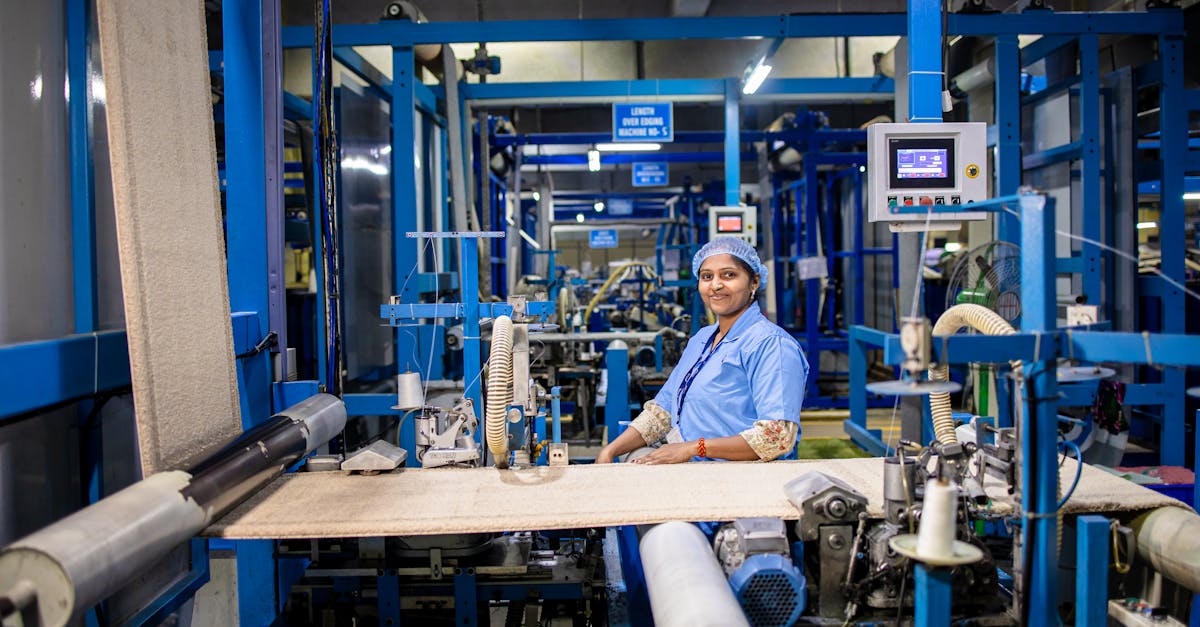
Labor productivity in the United States has painted a challenging landscape, with recent figures indicating a stark 2.6% decrease year-over-year. This substantial dip marks the most considerable decline since a protracted contraction in 2020, suggesting a stark deviation from the productivity growth that had been a hallmark of the economy’s recovery post-pandemic.
Context in the Global Arena
When juxtaposed against a global backdrop, the U.S. productivity numbers reveal a concerning trend. While countries like Germany and Canada have reported productivity growth rates of 1.5% and 1.8%, respectively, the U.S. slowdown not only raises questions about its competitiveness but also highlights potential wasted opportunities. This erosion of productivity places significant pressure on businesses and households alike, especially as inflation hovers at 3.8%.
The Labor Landscape
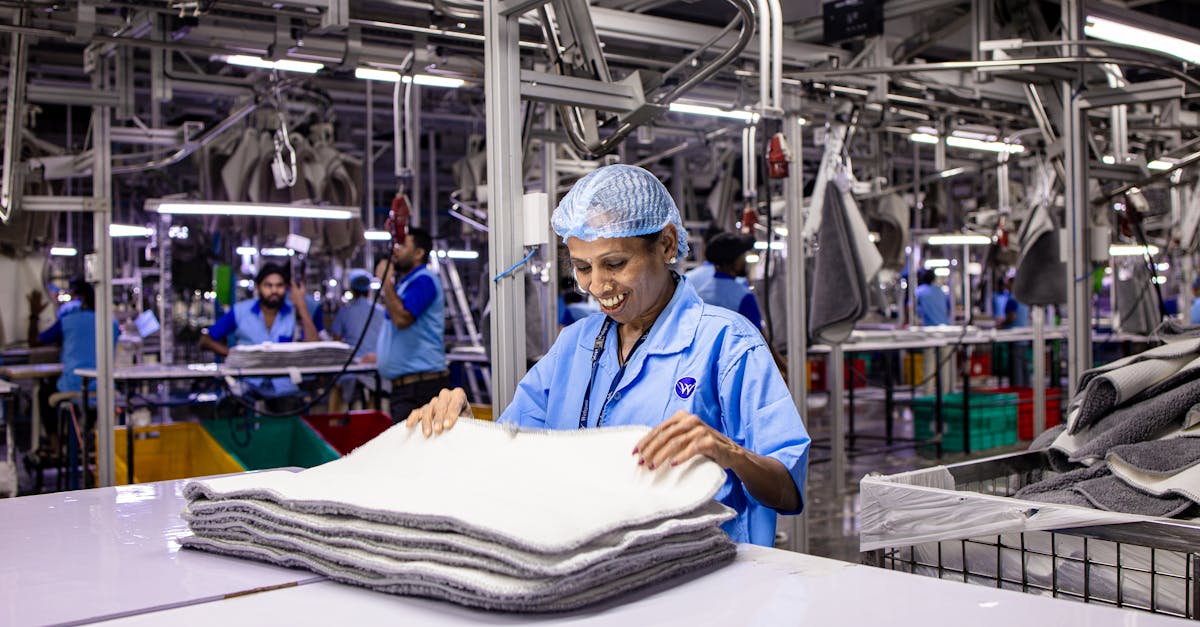
Unemployment figures, currently at 4.3%, give another layer of depth to the productivity puzzle. As more Americans enter the workforce, the expectation might be an increase in output per hour worked; instead, the decline raises concerns about workforce efficiency. The Bureau of Labor Statistics highlights that employed individuals are generating less value now than they did a year ago, creating a paradox of available labor yet diminished output.
Interest Rates and Inflation: The Heavy Hand
Complicating matters is the Federal Reserve’s interest rate policy. The current rate of 3.63% aims to curb inflation, but higher borrowing costs can stifle investments in technology and infrastructure that typically spur productivity increases. Companies are pressed to balance the cost of capital against the need for innovation and expansion. This intricate dance directly influences the extent to which organizations can improve efficiency and drive growth.
Navigating Uncertainty
Employers might find themselves caught in a bind—balancing wages against returns on productivity. With inflation continuing to squeeze margins, companies may feel disinclined to raise wages in line with growing cost pressures, potentially shrinking consumer spending. When consumers tighten their belts, businesses face a further decline in demand for goods and services, perpetuating the cycle of diminished productivity.
Opportunities Amidst Challenges
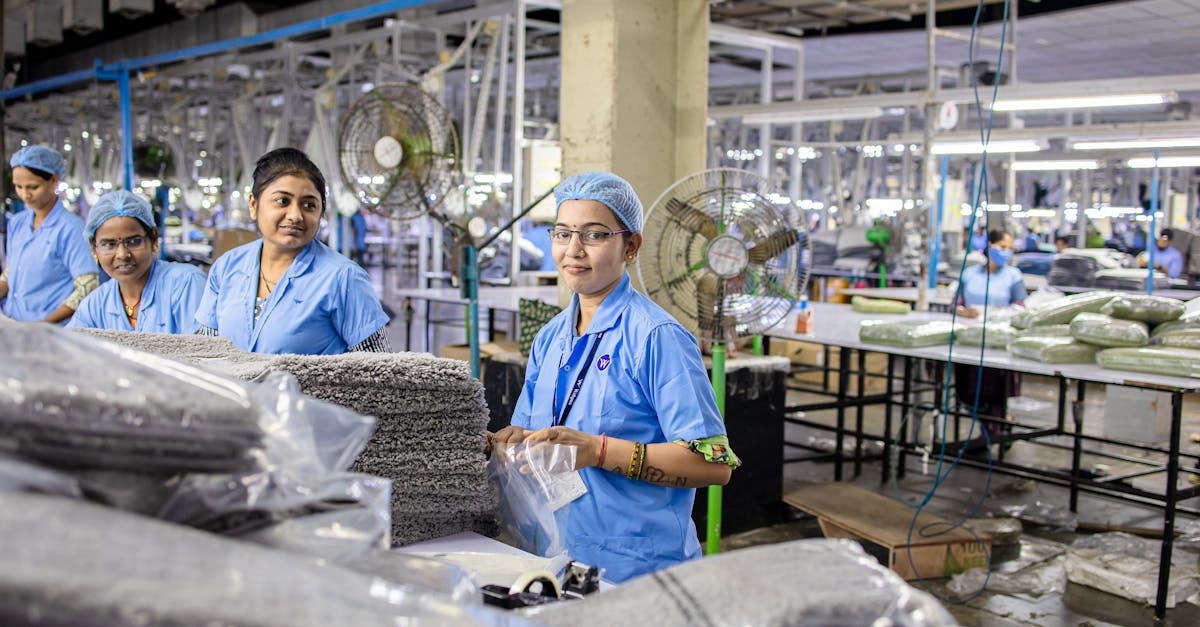
However, not all trends point to despair. Certain sectors, like technology and advanced manufacturing, illustrate a contrasting narrative, reporting productivity gains above the national average. These sectors may herald a shift as they leverage innovation and capital into efficiencies that modestly offset broader trends. Furthermore, investments in worker training and automation could revitalise the sagging overall productivity stats if embraced strategically.
The Path Forward: Resilient Innovation?
Navigating through economic turbulence often reveals growth avenues for nimble industries poised to adapt. U.S. businesses must harness agility and innovation in their operations to reclaim productivity momentum before the weight of inflation and interest rates stifles potential growth. In a rapidly transforming labor market, the prospect of forging a stronger productivity foundation exists—if only companies can seize the moment.