Striking Gains in Labor Productivity
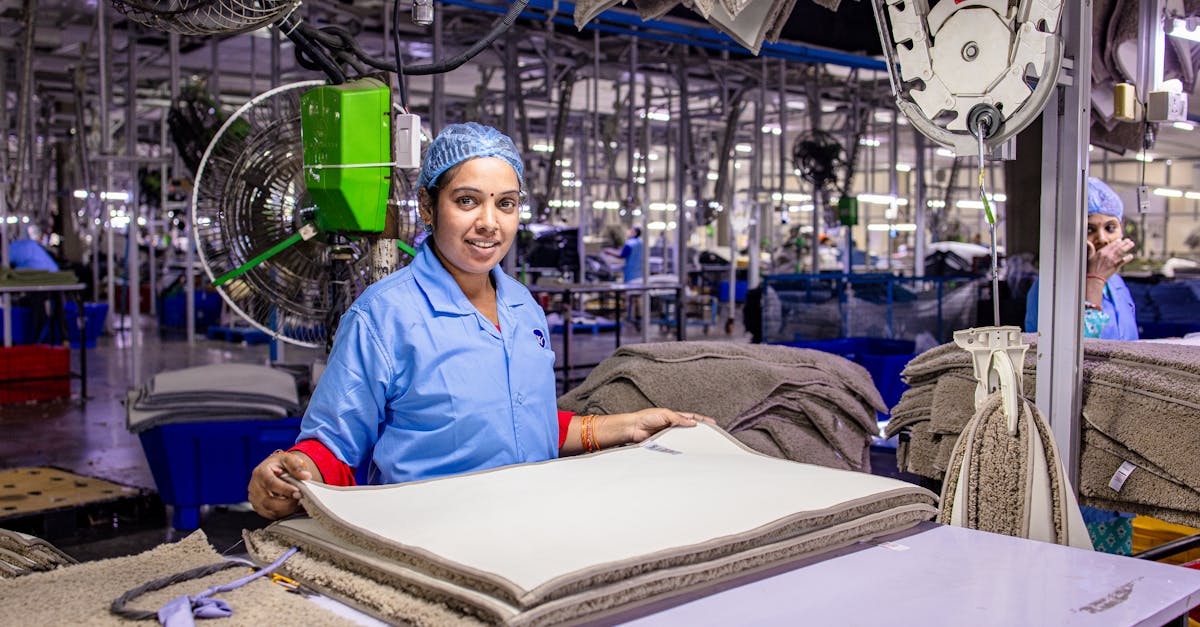
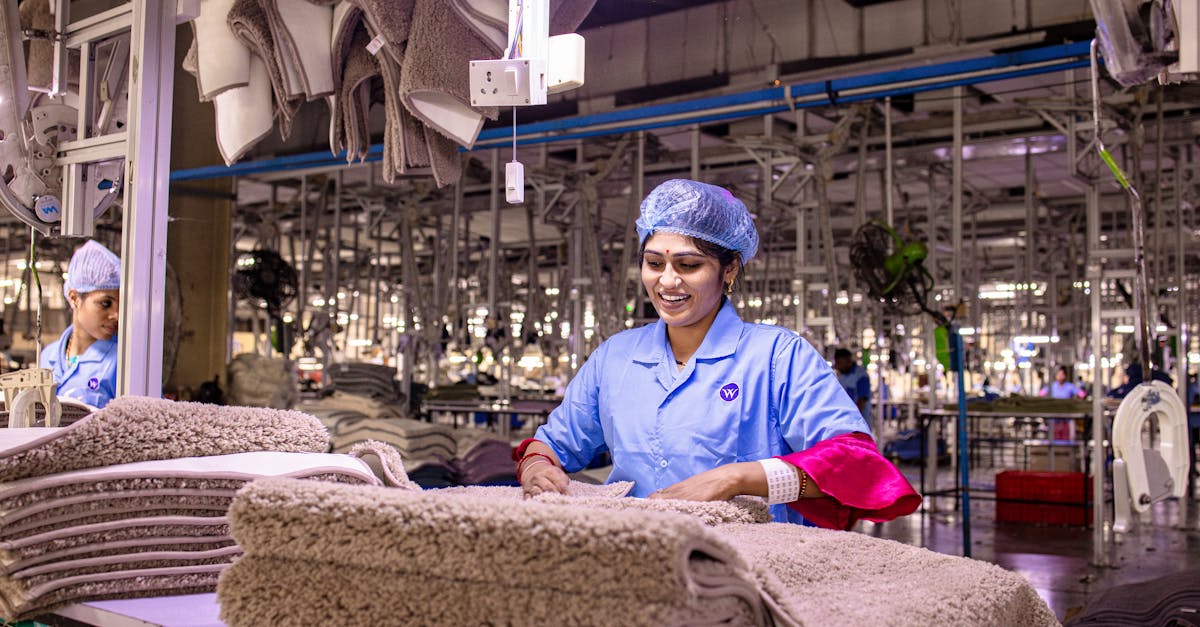
American labor productivity has surged to an impressive annual rate of 4.4% as of early 2026, signaling a critical shift in economic dynamics. This increase represents not merely a rebound from the stagnation seen in previous years but suggests a substantial shift in efficiency and output that could shape labor markets and economic policy for the foreseeable future.
A Broader Economic Landscape
When positioned against the global backdrop, the U.S. stands out. The European Union, for instance, has reported significantly lower productivity growth, averaging around 2.3% in the last year. This stark divergence implies that American workers are becoming more efficient at a quicker pace, enhancing competitiveness on the world stage. However, this surge does occur amid a complicated macroeconomic environment, with inflation recorded at 3.3% and unemployment, according to the Bureau of Labor Statistics, sitting at a relatively steady 4.3%.
The Interplay of Inflation and Productivity
Inflation, while generally a hindrance to economic growth, currently appears to coexist with productivity gains. The rise in prices — driven by supply chain challenges and shifts toward more service-oriented consumption — does not seem to have suppressed productivity at this juncture. Are companies innovating faster, or are they merely optimizing existing labor through technology? The answer likely includes both facets, reflecting a dual focus on efficiency and adaptation.
Interest Rates and Business Strategy
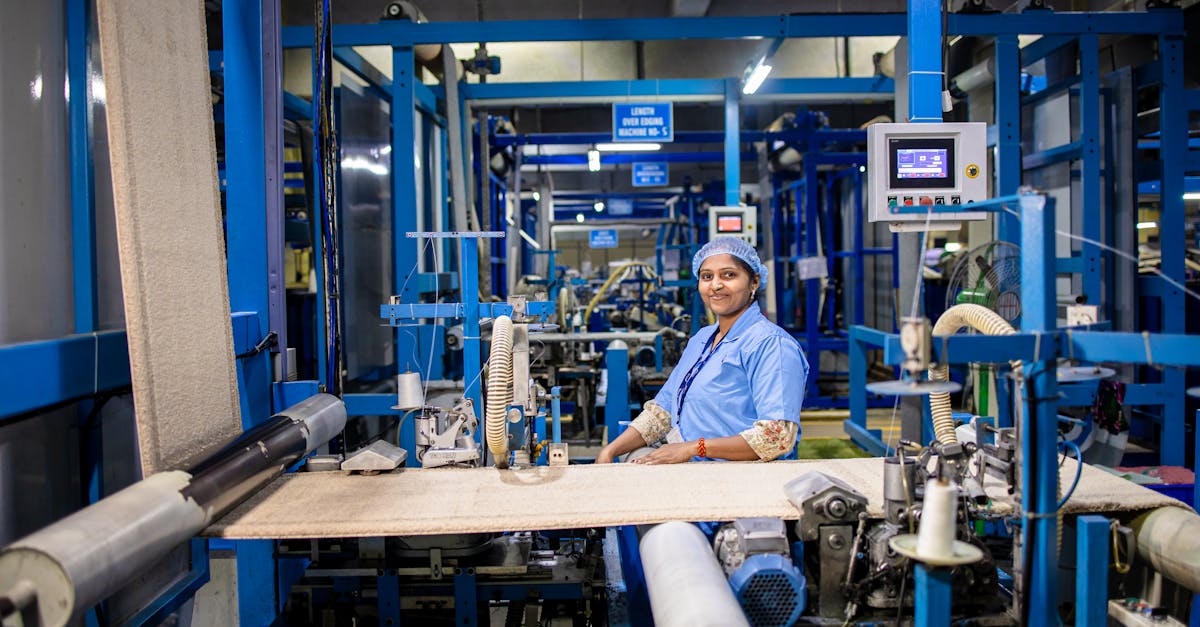
Interest rates, currently at 3.64%, introduce another layer to the productivity narrative. Firms facing higher borrowing costs are compelled to rethink operations and investment strategies. A notable trend is the push toward automation and digitization; companies are likely doubling down on labor-saving technologies that could warrant further productivity boosts. This transition might not only address labor shortages exacerbated by the pandemic but also increase the overall resilience of American businesses.
Navigating Future Waters
The trajectory of labor productivity is likely to evolve as businesses adjust to new economic realities. Continued improvements could reshape labor demand, requiring a re-evaluation of skills across the workforce. Additionally, as firms respond to both inflation pressures and interest rate fluctuations, the potential for sustained productivity growth remains an open question.
On the Horizon
America’s productivity renaissance offers promise — a chance to redefine labor’s role in the economy. As we peer into the future, how these gains are translated into wage growth and employment volatility might determine if this moment marks a lasting turnaround in U.S. economic fortunes or merely a blip in a volatile financial landscape. In the face of change, one certainty lingers: the conversation around productivity is just beginning.