Sharp Decline in Labor Productivity Raises Questions
A stark drop in U.S. labor productivity is raising eyebrows across economic circles, plunging by 4.6% annually in the last reported quarter. This is not only the steepest annual fall since 1971 but also highlights a significant deviation from the consistent gains observed over the past decade. The implications of such a decline are profound, especially in the context of an inflation rate that sits at 3.8% and an unemployment rate of 4.3%.
What Does the Data Say?
To put this productivity slump in perspective, consider that the U.S. had been achieving annual productivity gains of approximately 1.6% prior to this downturn. Meanwhile, international competitors are faring better; the comparable figures for Germany and Japan show productivity growth rates around 2.2% and 1.9%, respectively. As a result, concerns are growing that the U.S. might lose its competitive edge.
The recent figures paint a picture of a broader stagnation in productivity, which can negatively impact economic growth, innovation, and wage growth over time. While employment remains stable at 4.3%, the paradox of high employment alongside low productivity could point to a labor market that relies more on quantity than quality of output, raising questions about long-term sustainability.
Inflation: A Double-Edged Sword
This labor productivity dip coincides with escalating inflationary pressures, which recently stood at 3.8%. As prices rise, the purchasing power of wages erodes, raising anxiety among workers and policymakers alike. Many economists predict that stagnant productivity against the backdrop of rising living costs could lead to wage-price spirals, complicating the Federal Reserve’s already intricate position.
Against a backdrop of rising interest rates—currently at 3.64%—the Fed is walking a tightrope. Hiking rates could dampen investment in productivity-enhancing technologies and infrastructure that are often necessary to reverse such declines. Conversely, keeping rates unchanged might exacerbate inflation, negatively affecting consumers and businesses in equal measure.
The Workforce and Structural Challenges
This decline raises questions about the effectiveness of the current workforce in adapting to new challenges. Disruptive innovations and shifts towards remote work demand a higher level of adaptability and skill sets. However, the available data from BLS indicates that many sectors are struggling with employee training and retention, potentially limiting their output.
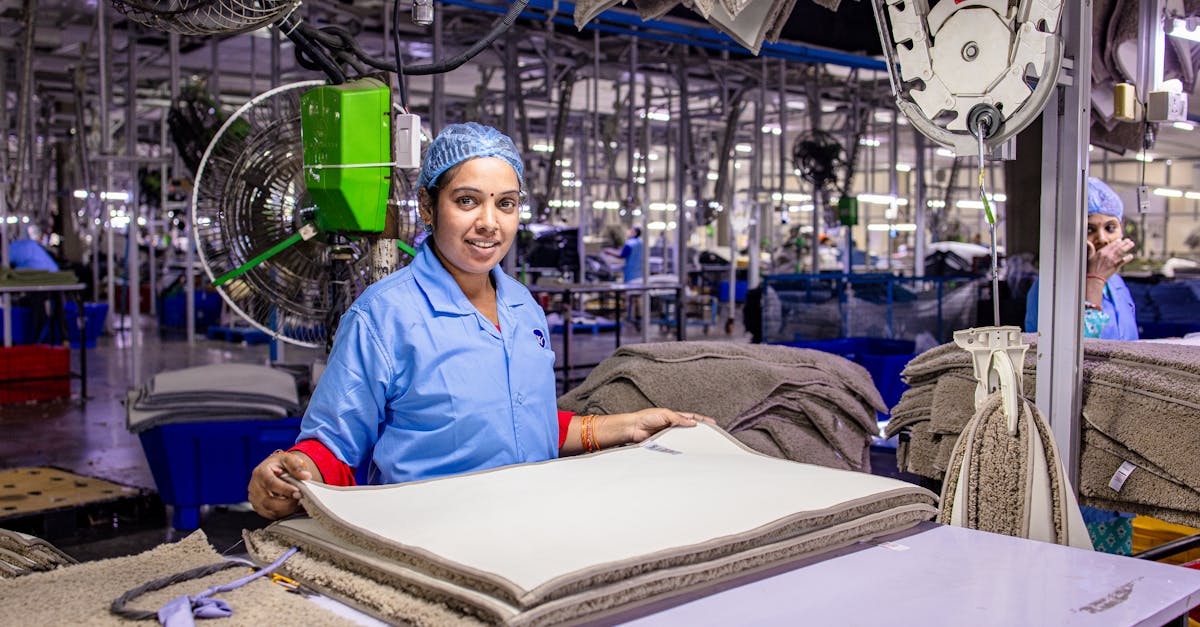
Additionally, the evolving nature of work poses a unique challenge—optimizing technology while maintaining jobs is a balancing act that has not yielded clear solutions. For instance, industries heavily reliant on human labor, such as hospitality and manufacturing, lag significantly in productivity gains, reinforcing the need for a shift in focus.
Shifting Focus to Future Possibilities
Investors and policymakers are left grappling with the ramifications of this productivity decline as they seek to foster resilience in an uncertain economic landscape. As businesses rethink strategic investments and recalibrate their operational models, the hope is that a renewed focus on skill-development and innovative practices could reinvigorate labor productivity numbers.
With the cocktail of stagnant outputs, inflation, and steady interest rates mixing precariously, a promising path lies in embracing technology as a tool for empowerment rather than displacement. It becomes not merely about labor but also about enhancing the value of that labor through innovation.
The upcoming quarters will be critical, revealing whether the U.S. economy can pivot effectively to restore productivity, curtail inflation, and foster sustainable growth amidst these many challenges.