Surging Labor Productivity Signals Hidden Potential
U.S. labor productivity witnessed a remarkable surge of 3.7% in the last quarter, starkly juxtaposed against a backdrop of rising inflation and climbing interest rates. For a nation grappling with a 4.2% inflation rate, this spike marks a significant achievement in the productivity realm, suggesting that American workers produced more output per hour despite the tightening economic conditions.
Putting Numbers into Perspective
When juxtaposed with its global counterparts, the U.S. exhibits resilience in productivity, even outpacing countries like Germany and the United Kingdom, which recorded increases of 1.5% and 2.0%, respectively. The data from the Bureau of Labor Statistics reveals that labor productivity in the U.S. has not only grown from previous quarters but also reflects a robust improvement year-over-year, showcasing an upward trajectory not seen in several other advanced economies. The boost in productivity could be a vital counterbalance to the higher wage demands stemming from labor shortages and rising living costs.
Employment Dynamics Amidst Productivity Gains
While unemployment currently stands at 4.3%, which is historically low by many standards, it raises critical questions about the sustainability of productivity gains in the face of relaxed monetary policy. The Federal Reserve’s current interest rate sits at 3.63%, signaling a cautious approach as the central bank navigates between fostering economic growth and curbing inflation. Interestingly, robust productivity could lessen the pressure to further raise rates, as companies might not need to increase wages dramatically if output is efficiently rising.
Sector-Specific Productivity Trends
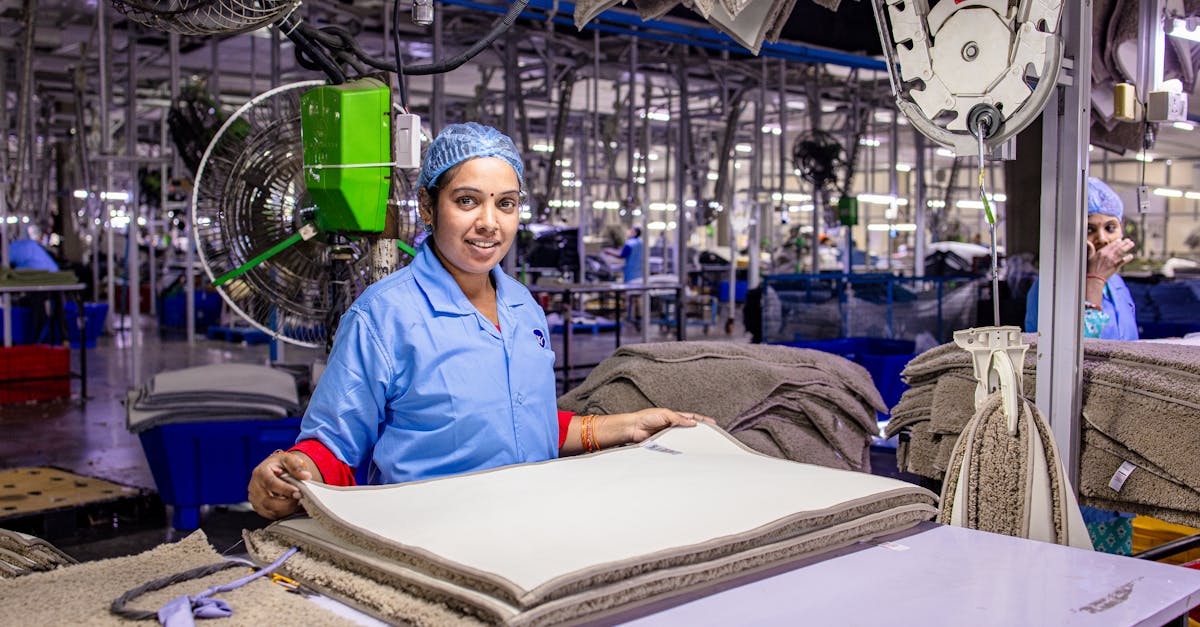
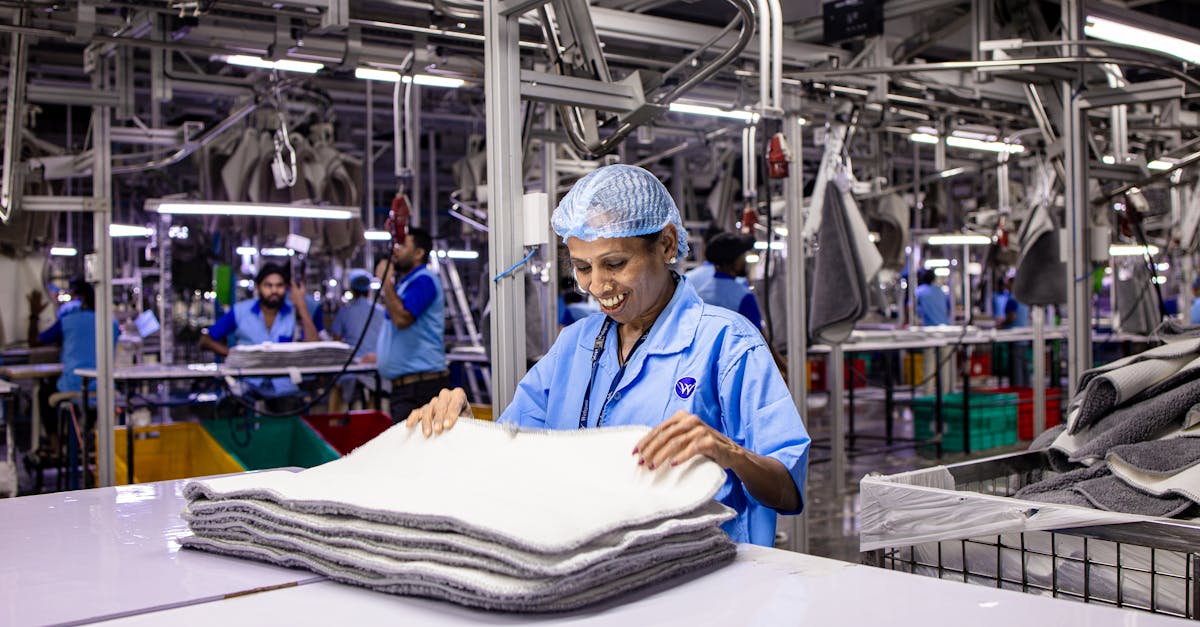
Analyzing specific sectors reveals compelling narratives. The manufacturing sector has taken the lead, with a 4.5% productivity increase, showcasing innovations that drive efficiency. However, the service sector, with its heavy reliance on human capital, reported a more modest 2.6% rise, indicating that while some areas of the economy are thriving, others remain bound by the complexities of managing labor-intensive services that resist rapid automation.
The Balancing Act: Challenges Ahead
Despite the positive trend in productivity, looming inflation poses challenges. Consumer prices have increased significantly, putting pressure on household budgets and dampening spending power—a critical driver for sustained economic growth. Policymakers must navigate this complex landscape, leveraging productivity gains while addressing inflation head-on. The intersection of increased production efficiency and cost-of-living adjustments becomes vital; maintaining this balance will be crucial as businesses strategize to remain competitive while ensuring employee retention.
A Forward-Looking Perspective
As organizations adapt to an evolving economic environment fueled by productivity advancements, the road ahead is filled with both promise and peril. The agility of the labor force and the adaptability of industries will ultimately dictate whether these productivity gains can translate into enduring growth or whether they will be mere footnotes in a broader inflationary narrative. The next phase will be not only about output but understanding how to harness these developments in a way that benefits both workers and businesses alike.