The Federal Reserve’s Delicate Balance
Central bank interest rates are not just a number; they shape the economic environment. As of April 1, 2026, the Federal Reserve’s interest rate stands at 3.64%, a figure that carries significant implications for the U.S. economy and its global standing. This rate is crucial as it reflects the Fed’s ongoing strategy of controlling inflation while fostering economic growth.
A Domestic Backdrop
Comparatively, last year’s interest rate was significantly lower, positioned at approximately 2.50%. The gradual rise in rates indicates the Fed’s proactive approach in confronting inflationary pressures that surged throughout 2023, particularly in response to robust consumer demand and ongoing supply chain disruptions. Such an increase reflects an adjustment in monetary policy aimed at stabilizing prices, a necessary response given the Consumer Price Index (CPI) indicated a rise in inflation to 4.7% in March 2026.
Global Perspectives
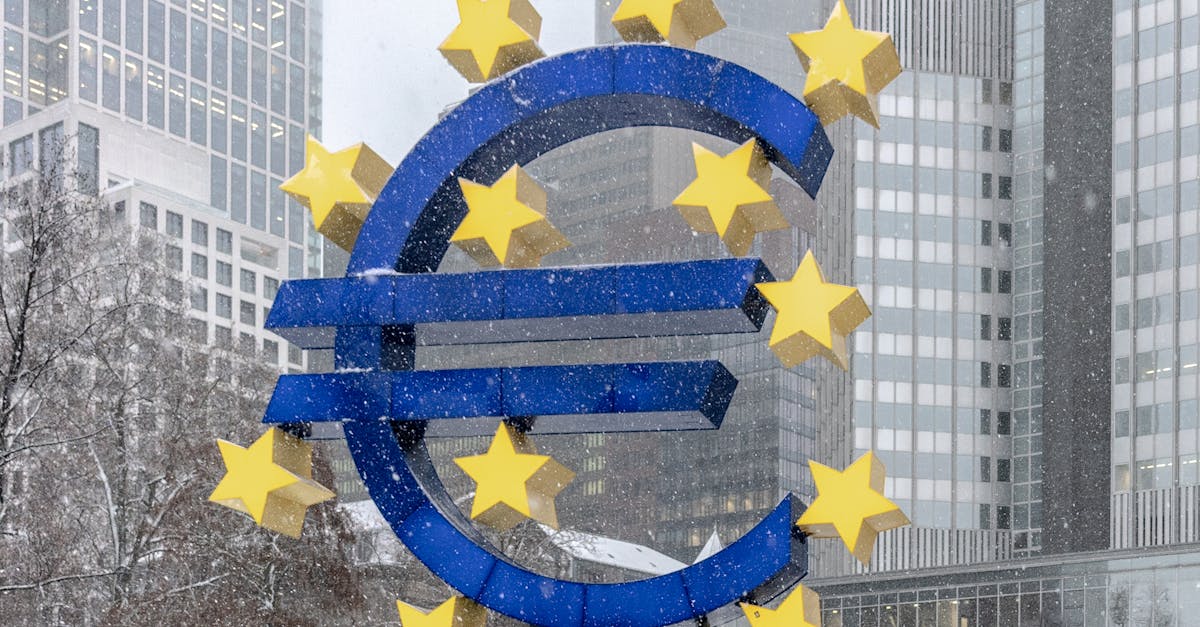
In contrast to major economies, the U.S. rate of 3.64% positions it higher than both the European Central Bank (ECB) and the Bank of Japan, whose rates sit at 3.00% and 0.10% respectively. This divergence illustrates the Fed’s more aggressive stance towards tightening monetary policy compared to its international counterparts. Such a landscape raises competitive questions for the dollar and U.S. investments in comparison to regions where interest rates remain low, potentially attracting capital away from the U.S.
The Consumer-Affective Rates
For ordinary Americans, this uptick in interest rates translates directly to higher borrowing costs. Mortgage rates, which are closely linked to the Fed’s benchmark rate, surged to around 6.75%, up from 5.20% a year prior. This change limits consumer purchasing power, dampening the robust housing market momentum that characterized the post-pandemic economy. With fewer people entering the market, housing sales have slowed, leading to questions about long-term price stability and affordability.
Business Optimization
Corporations are also feeling the effects. Recent data suggest that business investment has cooled, with capital spending growth slowing to less than 2% compared to over 5% in late 2023. Higher borrowing costs discourage riskier ventures and expansive hiring practices, as companies recalibrate their expectations in light of more expensive debt financing. Companies that once thrived in low-interest environments now find themselves reevaluating strategies to maintain profitability amid tightening financial conditions.
Navigating Forward: An Uncertain Path
Market analysts and policymakers now focus on how these high rates will influence economic activity in the upcoming months. The Fed’s messaging indicates a meticulous approach, suggesting that future rate hikes will be data-dependent, particularly as inflationary trends show signs of moderation. With inflation targets aiming at around 2.0%, the road ahead remains fraught with questions: How much longer can the Fed maintain these aggressive rates before risking a slowdown? Will domestic consumer confidence recede under the weight of higher costs?
Despite the current uncertainty, one thing is clear: as the economic landscape shifts, the Fed’s next moves will have resonating impacts across consumer spending, business investment, and the broader global economy. These dynamics are sure to keep both economists and investors on high alert as they assess the implications of U.S. monetary policy in a rapidly changing world.