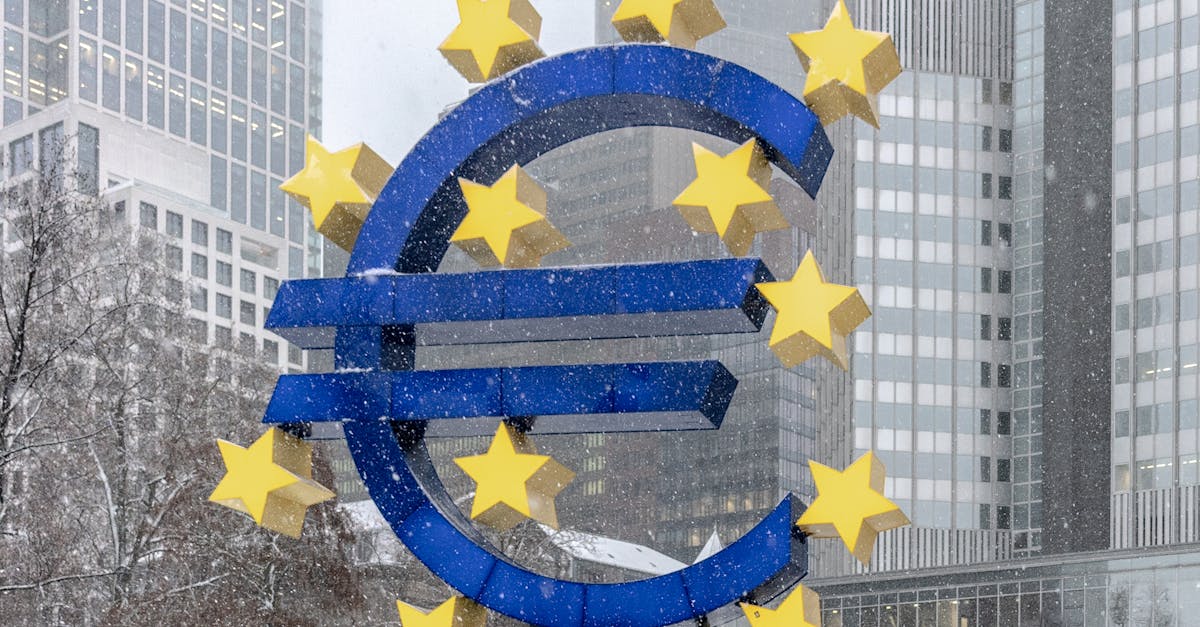
A Strategic Shift in Interest Rates
The Federal Reserve’s decision to maintain the interest rate at a steady 3.64% has prompted renewed debate on its implications for the U.S. economy and beyond. This range, established amidst persistent inflationary pressures, may signal a cautious balancing act between staving off excessive price rises and fostering economic growth.
A Broader Perspective
To understand the U.S. position in the global arena, it’s crucial to juxtapose this rate against that of other developed economies. The Eurozone, for instance, recently marked an interest rate of 3.50%, while the Bank of England is slightly above that at 5.00%. The relatively higher U.S. rate reflects a distinct approach to combat inflation. Comparatively, Japan’s approach remains ultra-loose with a 0.10% interest rate, underscoring different recovery trajectories post-pandemic.
Year-on-Year Comparisons
Examining year-over-year trends reveals a slight contraction in the landscape. The U.S. interest rate has decreased from 4.25% a year prior, illustrating the Fed’s pivot from aggressive monetary policy aimed at curbing an inflation peak, which soared to over 9% in mid-2022. This gradual decrease underscores an evolving economic outlook, yet raises questions about the pace of recovery in consumer confidence and spending.
The Inflation Conundrum
Inflation, as measured by the Consumer Price Index (CPI), has seen a gradual decline but remains above the Fed’s target of 2%. The latest figures show an annual inflation rate hovering around 4.2%, suggesting that while price increases are moderating, they’re not under the Fed’s control just yet. This scenario compels the central bank to walk a fine line—maintaining higher rates might dampen spending, yet a premature rate cut may rekindle inflationary fires.
Labor Market Dynamics
The labor market adds another layer of complexity. With unemployment at a notable low of 3.7%, wage growth has been robust. This could compound inflationary pressures, as higher wages tend to translate into increased consumer spending—an essential driver of economic expansion. A tightening labor market often necessitates a higher interest rate environment to cool potential overheating.
Consumer Response and Economic Sentiment
Recent consumer sentiment indicators reflect a blend of optimism and wariness, with confidence showing signs of slight improvement as gas prices stabilize and inflation eases. However, rising interest rates have made borrowing more expensive, leading to hesitance in large purchases, such as homes and vehicles. Mortgage rates, for example, peaked at around 7%, creating a significant barrier for potential homebuyers.
Global Risks and Opportunities
Internationally, geopolitical tensions continue to cast a shadow on economic forecasts. Ongoing conflicts, coupled with energy supply chain disruptions, make external factors unpredictable. The Fed, attuned to these global shifts, faces pressure to adjust its stance not just based on domestic data, but in reaction to external economic tremors.
The Road Ahead
As the Fed assesses future moves, the next gathering in June will likely test the waters for any shifts in policy. The committee’s decisions will depend heavily on subsequent inflation readings and labor market stats. With the U.S. economy exhibiting resilience, the burning question remains: will the Fed invite lower rates to stimulate further growth, or maintain the status quo to mitigate inflation?
The complexity of the task ahead reflects a central bank grappling with not just numbers, but the very fabric of the economy’s evolving story, underlining that the path forward is fraught with both peril and promise.