New Levels of Rate Realities
The Federal Reserve’s latest interest rate stands at 3.64%, reflecting a strategic response to persistent inflation and fluctuating economic conditions. This figure, while significant, is merely a piece of the larger puzzle influencing the U.S. economy today.
A Global Perspective
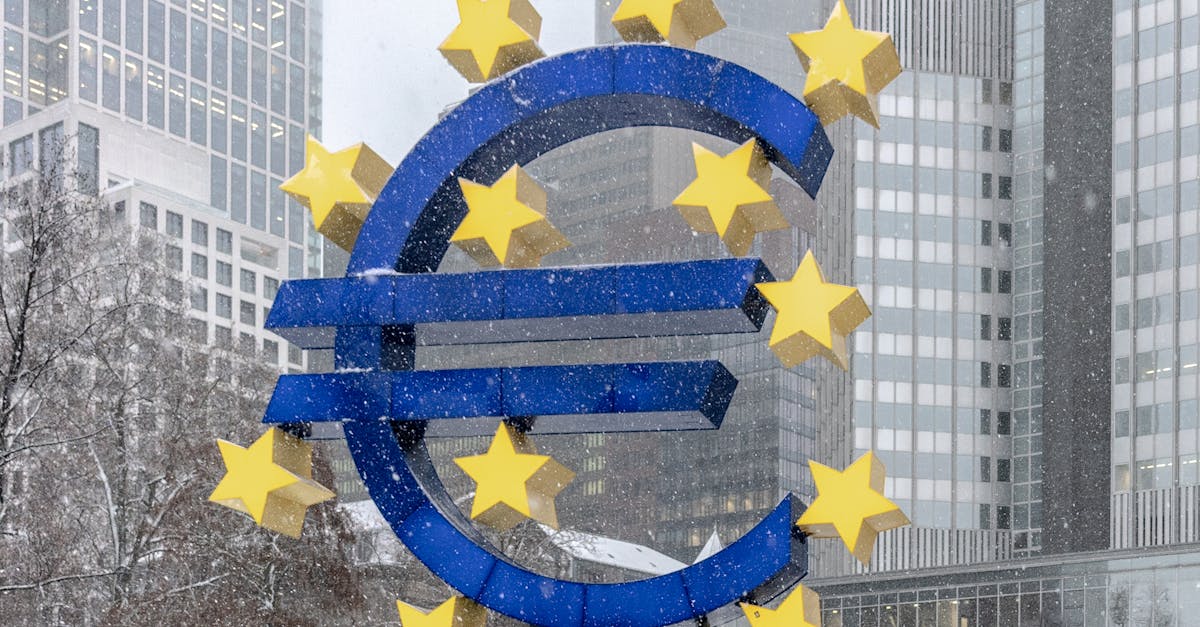
Considering global dynamics, the U.S. interest rate remains competitive but still positioned higher than many major economies. For instance, as of May 2023, the European Central Bank was operating at 3.25%, while Japan maintained its famously low rate at 0.10%. The higher U.S. rate can be attributed to the Fed’s aggressive monetary policy aimed at curbing inflation that has hovered near the 5% mark over the past year, as reported by the Bureau of Labor Statistics. It underscores a critical pivot from the ultra-low rates that defined the post-pandemic recovery phase.
Year-Over-Year Comparisons
When juxtaposed with last year, where rates lingered around 2.00%, the increase to 3.64% signifies a substantial tightening of policy. This rapid escalation serves to underscore the Fed’s dual mandate: promoting maximum employment while stabilizing prices. According to the Bureau of Economic Analysis, the GDP growth rate was 2.1% in early 2023—a delicate balancing act as the central bank steers a path through an environment marked by uncertainty.
The Ripple Effects on Borrowing Costs
The decision to lift interest rates not only shapes borrowing costs but also influences consumer behavior and business investment. As rates climb, mortgages and credit card debts become steeper, shifting the economic calculus for consumers contemplating big purchases. This transition has already been felt; mortgage rates are reportedly nearing 7%, pushing many prospective homebuyers to the sidelines, adjusting homeownership aspirations considerably.
The Dance of Inflation
Inflation remains a persistent adversary for policymakers. In early 2023, the Consumer Price Index showcased a year-over-year increase of approximately 4%, a figure the Fed aims to tame further with its current rate adjustments. The nuanced interplay between controlling inflation through higher rates and fostering economic growth presents a complex challenge. As the Fed raises rates, inflation, which initially surged, seems to show signs of slowing, hinting at the rather convoluted feedback loop at play in the economy.
Forecasting the Fed’s Path
Eyes remain keenly fixed on forthcoming Fed meetings, where potential policy shifts could pivot strategies based on inflationary trends and employment figures. Additional hikes could be on the table; in contrast, a stagnation or drop could signal a need to recalibrate in response to economic headwinds. The next months will be crucial, where each economic report—be it jobs data or inflation metrics—will add fuel to the fire of debate within the central bank.
A Tense Economic Tightrope
As we navigate this landscape of 3.64% interest rates, one thing is crystal clear: the central bank is walking a fine line. With inflation’s ceaseless tug and consumer responses increasingly pivotal, the Fed’s journey offers a lesson in the delicate dance between taming prices and bolstering growth. What remains is a realm of possibilities as policymakers chart the course ahead, recalibrating as financial and economic realities evolve.