A Family’s Dream Trip Caught in Currency Currents
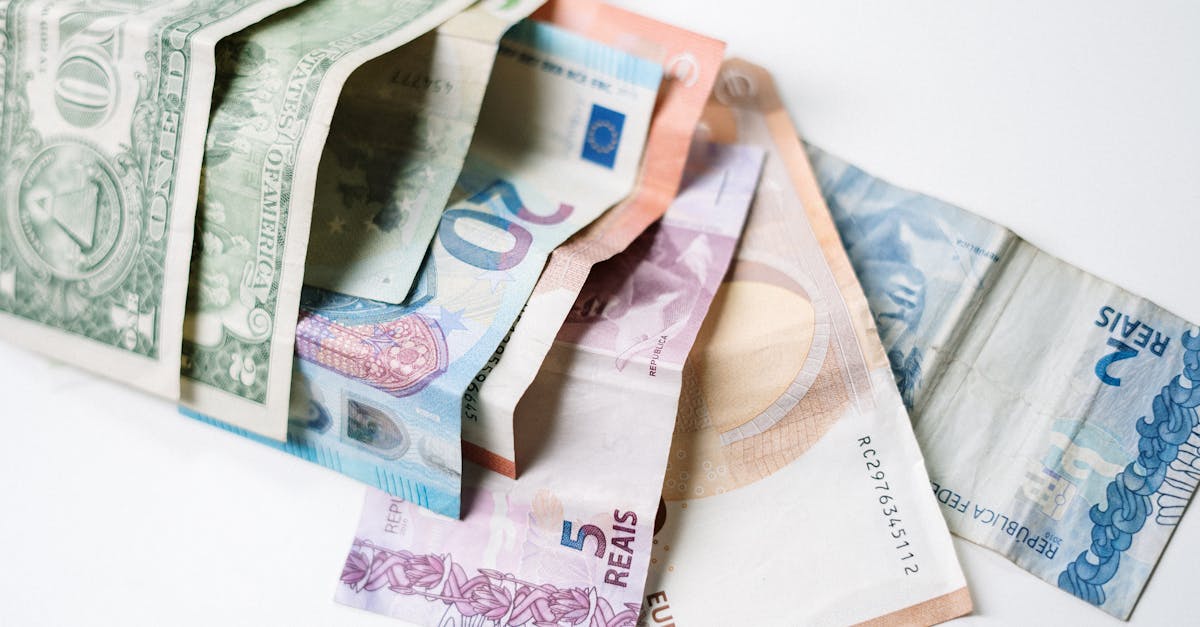
Imagine the Parker family, bustling with excitement as they finalize plans for their long-awaited trip to Europe. With tickets booked and itineraries set, all that remains is exchanging their hard-earned dollars for euros. Sitting at their kitchen table, they realize just how much the exchange rate will influence their travel budget. Today, each dollar fetches about 0.85 euros. As they calculate their expenses, the effects of recent fluctuations become all too real.
The dollar had been strengthening against the euro in recent months, but variations still create uncertainty. With inflation hovering at 2.4%, their purchasing power isn’t as clear-cut as it used to be. To visualize, if they planned a trip costing $4,000, they could expect an equivalent of around 3,400 euros under the current rate. Last year would have yielded them an additional 100 euros for the same amount, promising more gelato and souvenirs in Florence.
The Underlying Economics: A Broader Landscape
As the Parkers ponder their budgeting, they remain unaware of the broader economic currents affecting their funds. The Federal Reserve has kept interest rates at 3.64%, which directly influences the strength of the dollar abroad. Higher rates might attract foreign investors looking to capitalize on US securities, thereby bolstering the dollar. Such dynamics are often unseen, yet they dictate whether a family can feel secure when spending abroad or whether they must settle for a more modest experience.
Working families face these hidden costs daily, especially when the market is volatile. For instance, take the recent data from the Bureau of Labor Statistics: unemployment is reported at 4.4%. While this appears relatively stable, it signifies that job security is a lingering concern for many American households. When these economic factors converge—higher rates, a solid but shaky job market, and fluctuating currency values—families like the Parkers might find themselves sidelined from the experiences they hoped to enjoy.
The Local Business Perspective
Consider Jason, who owns a small coffee shop just down the street from the Parkers’ home. Jason has recently been sourcing premium Italian coffee beans. When the dollar weakens against the euro, he bears the burden through higher costs—making the choice between continued imports or sourcing locally more pressing. If the exchange rate dips to 0.80 euros per dollar, Jason’s expense for each shipment rises significantly, forcing him to either increase prices or alter his supply chain altogether.
The coffee shop’s patrons ultimately witness this struggle. As prices rise, customers might shy away from their favorite blends. Jason is in a tight spot, navigating not just his local competition but the unpredictable forces of international trade. He keeps an eye on exchange trends, aware of how they impact his business viability and, consequently, the affluence of his employees—all interconnected.
A Family’s Return: Reflecting on the Trip
Back at home, the Parker family adjusts their plans after confirming the narrowing exchange rate. They opt for a more budget-conscious itinerary, trading deluxe accommodations for modest stays, squeezing their expectations to simply enjoy the experience without the extravagant expenses they had imagined.
When they return from their trip, the memories created are cherished, yet they can’t shake the feeling of having been hampered by external economic pressures. Conversations around the dinner table often drift back to how the currency shifts affected their overall experience, dimming the luster of the adventures due to unforeseen complications.
Full Circle: The Everyday Impact of Exchange Rates
The Parker family’s journey reflects a universal truth in today’s economy. Exchange rates are not just numbers tracked on financial news tickers—they shape lives, dreams, and opportunities, touching individual families, local businesses, and entire communities. As consumers, most are adrift in these currents, reminding us that every dollar spent carries weight beyond mere dollars and cents. As they navigate their lives, the constant dance of currency serves as a powerful reminder of interconnectedness in our global economy.