A Family’s Vacation at the Mercy of the Dollar
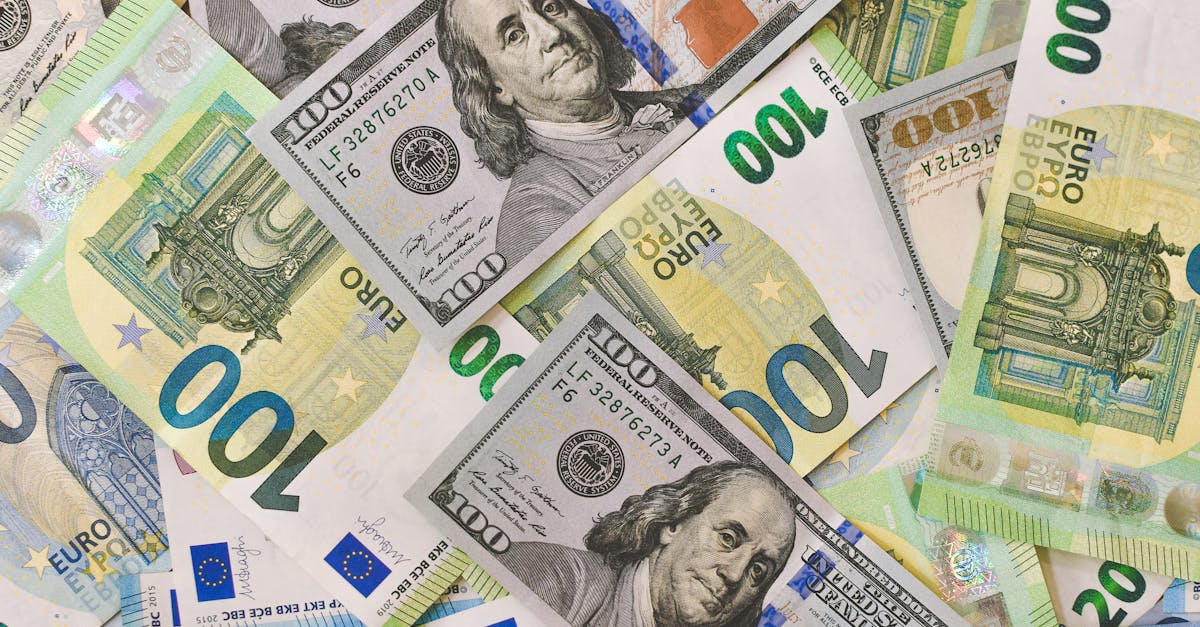
As summer sets in, the Johnson family in Minneapolis is eagerly planning their long-awaited trip to Europe. With a modest budget of $5,000, they dream of walking along the Seine, sampling croissants in Paris, and picking up souvenirs from Italian markets. However, with an exchange rate of $1.10 per euro, that dream suddenly feels a little more precarious.
At this rate, the Johnsons’ budget translates to about 4,545 euros. Just a year ago, when the exchange rate was more favorable at $1.05 for every euro, their trip would have blossomed into 4,762 euros, giving them more room for indulgence in fine dining and extra excursions. The subtle shift in value reflects broader economic currents and challenges at home that even a summer getaway cannot escape.
Exchange Rates: A Window to Global Economics
The dollar’s worth in international markets holds implications that echo through various layers of society. Currently, as inflation hovers around 4.2% in the U.S., prices in local stores are ascending steadily. The Johnsons are feeling these pressures firsthand, as the cost of everyday items climbs. They search for travel deals, not just to save money but also to escape the swift rise in prices they face back home.
Incorporating a snapshot of the economy, the unemployment rate lingers at around 4.3%, presenting a somewhat stable job market. Yet, for many families, especially those earning fixed incomes, the probability of stagnant wages against rising prices becomes disconcerting. Higher dollar values against foreign currencies often mean imported goods become pricier, squeezing budgets further.
A Business Perspective: Moving Goods Across Borders
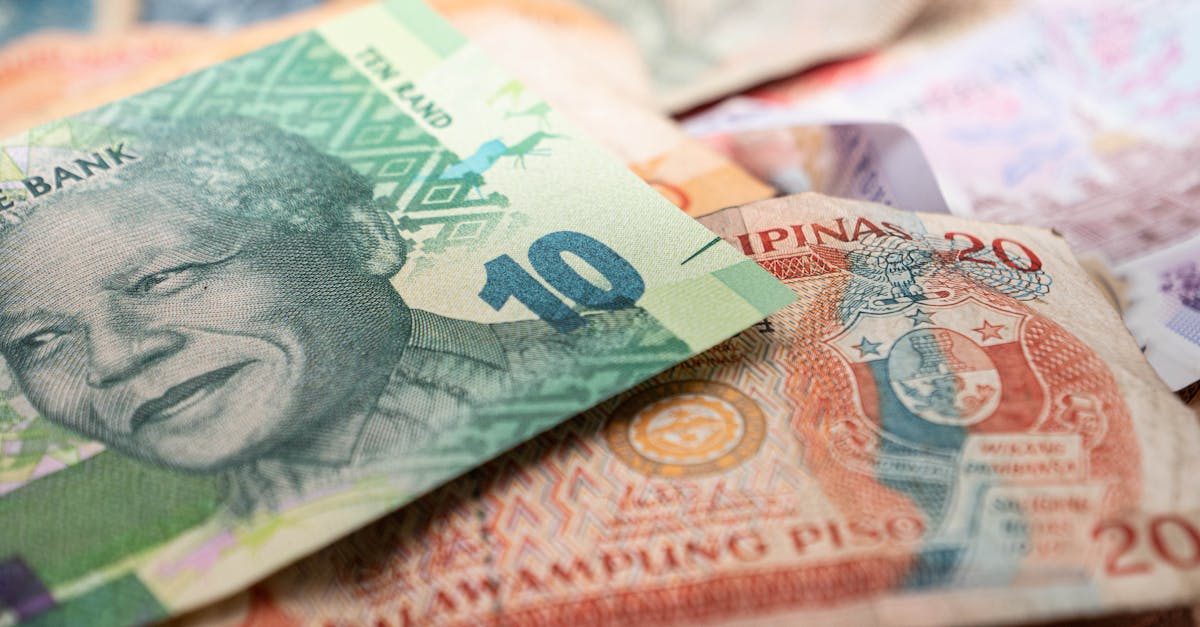
For small business owners, like Maria who runs a boutique in San Diego, fluctuating exchange rates have immediate ramifications. Maria imports custom jewelry from artisans in Mexico. At the current exchange rate of $18.50 per Mexican peso, her latest shipment carries a higher price tag than it did earlier this year when the peso was weaker against the dollar.
Now, Maria must decide whether to absorb these increased costs or pass them on to her customers. If she raises prices slightly, it may reduce sales as her clientele grows sensitive to price. This cycle illustrates the interconnectedness of currency value with consumer behavior and business strategies. Meanwhile, the interest rate set by the Federal Reserve at 3.63% adds another layer of complexity, as higher borrowing costs could stifle her ability to reinvest in her mobile venture or expand her product range.
Weaving Together Threads of Currency and Economy
Returning to the Johnson family, the implications of exchange rates stretch beyond their vacation and into the cereal aisle of their local grocery store, where they feel the pinch from rising import prices due to a strengthening euro. Just as Maria faces tough decisions due to her costs, families like the Johnsons are reminded that the global economy is inevitably tied to their personal finances.
The family, grappling with their final travel budget, now contemplates cutting costs elsewhere—perhaps skipping the Eiffel Tower’s summit or dining in less expensive restaurants. With a mix of excitement and fiscal caution, they prepare for a journey filled with new memories but tinged with the reality of navigating a world where currencies dictate their experiences.
The next vacation, akin to many everyday choices, will still echo with the weight of currency values—an unending dance of costs and worth. As the dollar ebbs and flows against other currencies, it remains a powerful player in the stories of families, entrepreneurs, and all consumers yearning for their piece of the global pie.