A Family’s Dilemma at the Dining Table
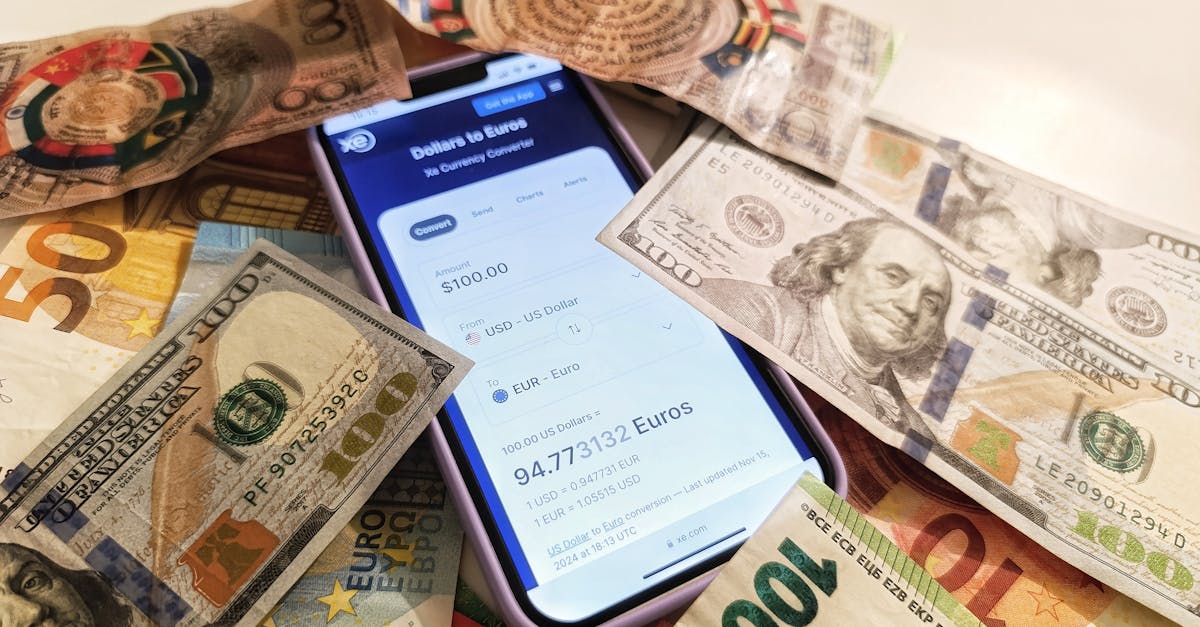
Imagine the Martinez family gathered around their kitchen table, discussing their summer vacation plans. For Maria and Diego, budget constraints are front and center. With two kids, checking each cost is routine. As they consider heading to Europe, the allure of a Mediterranean getaway feels increasingly distant. A dollar now fetches fewer euros—1 USD equals roughly 0.89 EUR, down from nearly 0.95 in just a year. This changes the vacation landscape dramatically; suddenly, each pasta dish in Rome costs a bit more, and their cherished gelato feels even more lavish.
Mapping the Changing Landscape
This shift in exchange rates serves as a tangible example of broader economic dynamics at play. In an economy where inflation hovers at 4.2%, purchasing power hangs in the balance. The family’s real concerns extend beyond travel; the cost of groceries—for instance, a classic Italian tomato sauce—has increased, largely due to inflated import costs and a weaker dollar.
Every household now feels the pinch when seeking basic ingredients, a seemingly simple outcome of currency fluctuations that shapes the everyday budget.
Business at the Crossroads
Not far from the Martinez home, the local bakery, ‘Sweet Treats,’ owned by Sarah, faces similar challenges. Sarah imports organic flour from Italy, and with the dollar weakening against the euro, she finds herself squeezed. Prices have risen sharply, forcing her to adapt—higher prices for her baked goods are unavoidable. Customers might spend an extra dollar on a loaf of bread, but as inflation compounds, families feel priced out.
Her business isn’t just a matter of convenience or indulgence; it’s essential for many local families. As Sarah explains, “I can’t push all these costs onto customers. Even at a 5% increase, we lose customers who simply can’t afford to spend more.”
Choices in a Complicated Economy
Amid this economic puzzle, unemployment sits at a stable 4.3%. This makes for a decent job market, but when combined with rising living costs driven by inflation, many families find their wage increases don’t keep pace. With the Fed maintaining interest rates at 3.63%, loans for homes or businesses come with pressing repayment expectations. Families must decide: make larger monthly payments and risk financial strain or simply hold off on advancing their dreams.
The Martinezes consider re-evaluating their vacation plans, and rather than heading to Europe, they think about exploring domestic travels—perhaps a beach trip to Florida or Colorado’s mountains. This shift reveals a grassroots response to the dollar’s performance, igniting a burst of local travel as families adapt to larger global forces.
Returning Home to the Table
Back at the Martinez dining table, the conversation circles back around to family meals. While international trips seem less viable, they ponder new recipes influenced by their desire for local ingredients and experiences. This adaptation illustrates resilience, showcasing how families, businesses, and even entire communities respond to complexities in exchange rates. As the dollar continues to fluctuate, each marked expense pushes families to become creative with their daily lives.
In navigating their choices, the Martinez family exemplifies a collective story of how exchange rate changes ripple through so many aspects of American life—from family vacations stretched thinner to the small business owner trying to keep prices reasonable. Each family, each bakery, is tied to the performance of the US dollar, reminding us how the global economy continually shapes local realities.