A Family Planning Their Summer Vacation
As the Johnson family huddled around their kitchen table, excitement buzzed in the air. They had long dreamed of exploring the charming streets of Paris, and with summer approaching, it was time to finalize their plans. Buried beneath the family budget were projections for flights, accommodations, and the inevitable shopping spree.
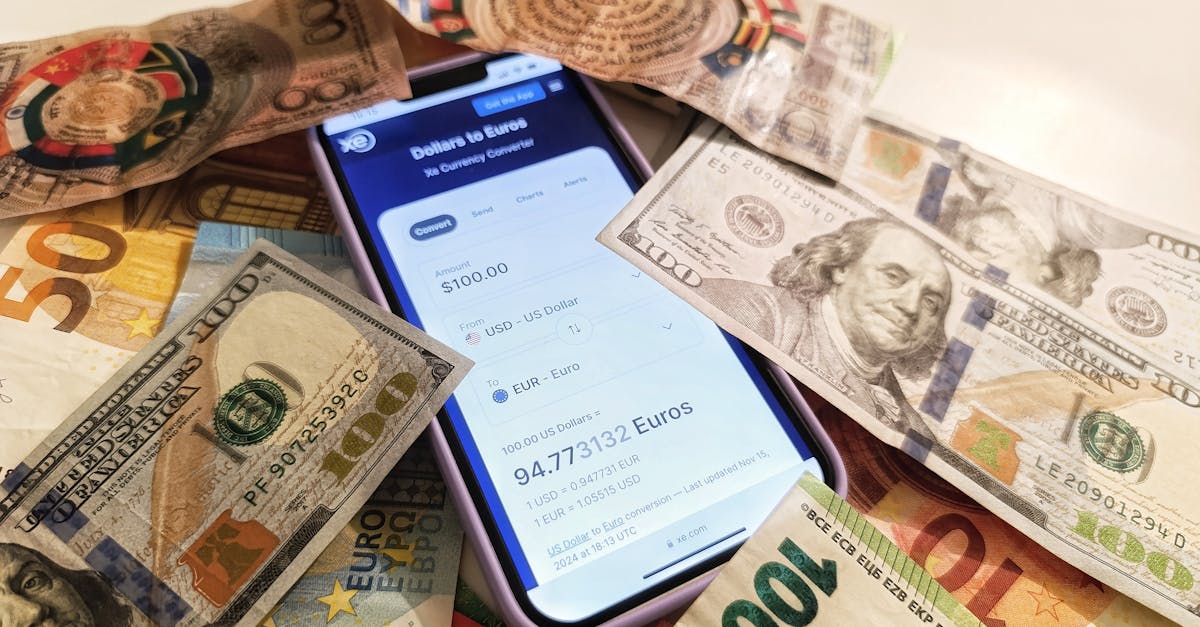
But before they could book that dream vacation, a crucial factor loomed over their plans: the exchange rate of the U.S. dollar against the Euro. Just last month, they had kept a close eye on the conversion rate, which had hovered around 1.11 Euros for every dollar. These numbers translate into real costs for the Johnsons. An Airbnb that would set them back $1,200 for a week suddenly translated to a hefty €1,332, all because of currency fluctuations.
These fluctuations aren’t random; they are swayed by various economic factors, including inflation and interest rates. Currently, the inflation rate in the U.S. stands at 3.3%, reflecting the rising prices that consumers like the Johnsons feel at grocery stores and gas stations. The recent uptick is creating pressure on household budgets, making every dollar count. Coupled with an unemployment rate of 4.3%, the economy seems relatively stable, but uncertainties still loom.
Dollars & Sense: What Do Exchange Rates Really Mean?
To grasp why that exchange rate impacts their vacation, one must understand how it links to the broader economy. With the Federal Reserve maintaining an interest rate of 3.64%, borrowing for families and businesses alike is influenced heavily. Higher interest rates often strengthen the dollar, making it more expensive for foreign travelers to visit the U.S. and cheaper for Americans to head abroad. For the Johnsons, that could either mean savings on airfare or more expensive dinners in Paris.
Imagine they put $500 in their travel fund. If they’ve saved during a time of strong dollar valuation, that amount could stretch quite a bit further when converted to Euros. In practical terms, that means more croissants and crepes in the city of lights.
Where Opportunity Meets Risk
For small business owners, the stakes are equally high. Take Emma, who runs a boutique in Oklahoma City selling handmade goods sourced from Europe. With the dollar weaker against the Euro, Emma faces two options. She can either absorb the increased costs of shipping and raw materials from her suppliers or raise prices, which might drive her customers away.
In a recent period, her supplier increased prices by 10% due to the unfavorable exchange rate. Despite a stable local economy reflected in the relatively low unemployment rate, Emma has recognized that the pressure on prices from foreign suppliers can dilute her customer base, especially in an inflation-fueled market.
Connecting Back to the Johnsons
With summer opening up, the Johnsons find themselves in a tug-of-war between their dreams and the mercurial nature of currency exchange. As they input the latest Euro rates into their Excel sheet and adjust for projected inflation, a reality sets in: their original travel budget of $3,000 may now only cover a limited adventure. They could opt for a cheaper hotel, cut down on dining out, or even postpone their trip altogether.
In navigating this dance of dollars and cents, families and businesses alike face the fast-paced fluctuations of the currency market. Rising inflation intertwines with exchange rates, reshaping enterprises and adventures in real-time. As the Johnsons grapple with their plans, they symbolize the broader populace weathering the tides of international trade, economic policy, and consumer choice. Each decision becomes a delicate act of balancing dreams against the persistent winds of an ever-changing economy.