An Unexpected Vacation
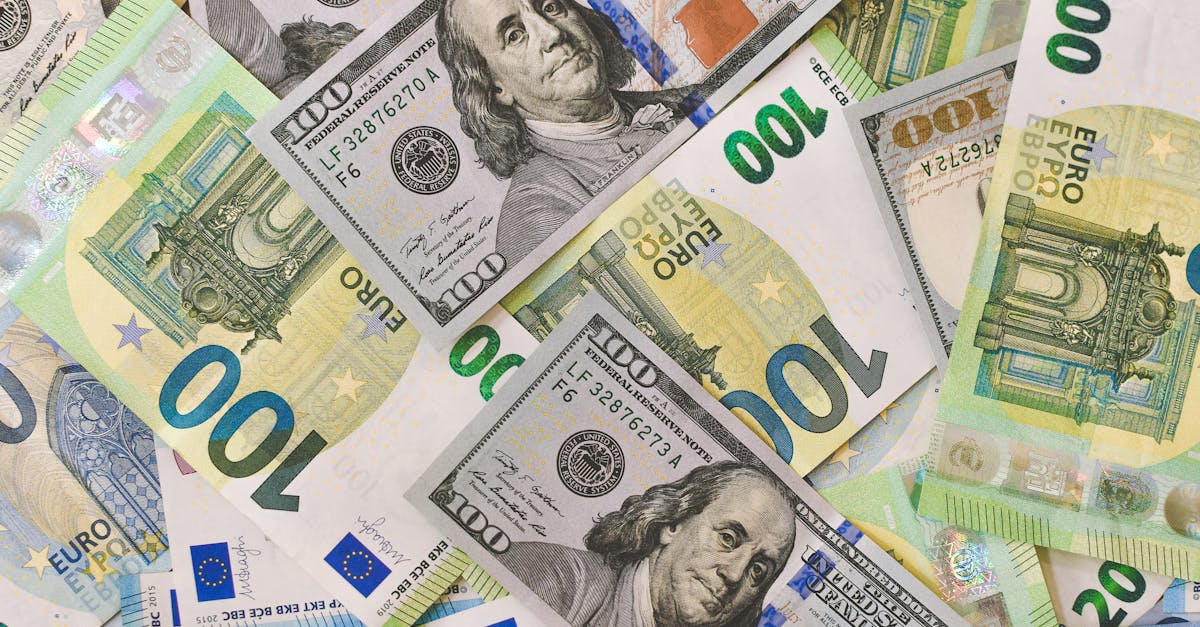
Imagine the Johnson family, eager to celebrate their daughter’s graduation with a week in Europe. They secure an affordable Airbnb in Paris for $1,000, expecting the euro to be friendly. To their dismay, the euro’s value has increased against the dollar, fluctuating from 1.10 euros per dollar last year to 1.15 euros this spring. Suddenly, their vacation budget is impacted; that gratifying trip is now costing them significantly more when transactions convert from dollars to euros.
As the family quickly calculates their expenses, the reality hits home: the exchange rate plays a crucial role in their financial planning. For every dollar spent for that Parisian sojourn, they now get roughly 87 euro cents instead of 91 cents. This might seem incremental, but for a family trying to stay within a $3,000 travel budget, it can compel them to rethink dining out, excursions, and even souvenirs.
The Currency Tug-of-War
The dollar’s strength reflects a complex interplay of economic fundamentals, including interest rates and inflation. As of April, the Federal Reserve has set the interest rate at 3.64%. A higher interest rate often makes the dollar more appealing to foreign investors, fostering an inflow of capital that supports its value. However, with inflation clocking in at 3.8%—far from negligible—consumers find that the purchasing power of their dollars diminishes, affecting everything from groceries to travel plans.
Given that inflation can erode savings and wealth, families like the Johnsons are caught in a currency tug-of-war. They may have saved diligently for their European adventure, yet rising prices at home and volatile currencies abroad mean their effective budget fluctuates in real-time. If the dollar weakens further, what seems like a reasonable spring outing could daydream into a budgetary nightmare, forcing the family to evaluate their choices on where to stay and what to do while abroad.
A Local Business Stands Firm
Meanwhile, consider a local coffee shop owner, Maria, who prides herself on serving organic coffee sourced from South America. The fluctuating exchange rate is not merely an abstract financial metric; it shapes her bottom line directly. With the dollar recently weakened against the Brazilian real, Maria finds herself paying an additional 15% for her raw coffee supplies, cramping her profit margins.
She could raise prices to offset costs, but with unemployment sitting at 4.3%, and a significant proportion of her customers being budget-conscious younger professionals, Maria faces resistance. A cup of gourmet coffee, already an indulgence at $5, might scare off cost-sensitive patrons if marked up to $5.75.
It’s a delicate balance of maintaining quality while managing operational costs—a balancing act influenced heavily by currency exchange rates.
A Full Circle Back to Family Ties
As the summer approaches, the Johnsons reconsider their trip. They find motivation not only in their desire to explore new cultures but also in understanding the economic forces at play. They adjust their timeline, contemplating a trip when the dollar is promising a more favorable exchange rate. It’s not just about the cost; this decision reflects their awareness of a larger economic narrative—a narrative where exchange rates dictate the conversations around family planning and local commerce.
Thus, while the Johnson family plans their adventure, Maria adjusts her coffee offerings, and both navigate a landscape shaped by fluctuating economies and currencies—revealing just how interconnected personal dreams are with broader financial realities. Each dollar and euro exchanged tells a story, reminding us that economics is not just confined to boardrooms but vividly lives in the daily choices of families and businesses alike.