A 3.3% Inflation Rate: A Sign of Recovery or a Grim Reality?
The latest inflation figure of 3.3% might seem like a breath of fresh air for some sectors, but this number masks deeper tensions stirring in the U.S. economy. While the Federal Reserve might view this as a sign of stabilization following a turbulent period, many consumers are grappling with the everyday reality of rising prices that defy this average. The disconnect between the government’s metrics and the lived experiences of Americans begs the question: does this figure accurately represent the health of the economy, or is it merely a statistical abstraction?
Expectations vs. Reality: Mismatched Narratives
In a country where inflation rates have become a staple in economic discussions, a declining trajectory can incite optimism. The common narrative revolves around a softening inflation rate heralding potential relief for consumers and businesses alike. Yet, while inflation has dipped compared to the record highs of previous years, the reality in regions like the Midwest, where essential goods and fuel prices remain stubbornly elevated, tells a different story.
The urban-rural divide accentuates this disparity as well. Cities are witnessing inflationary pressure in services and housing, with rent increases often outpacing wage growth. This presents a paradox where urban dwellers feel the burn of high prices while rural consumers, benefitting from slightly lower inflation rates in essentials, might see improved purchasing power in some areas—albeit unevenly.
The Hidden Trends: Sector-Specific Struggles
Far from the headlines splashed across major publications, the nuances within the inflation data reveal hidden vulnerabilities. Consider the energy sector: retail energy prices have risen substantially despite the average inflation rate suggesting relief. Data indicates that utility costs have surged nearly 8% year-over-year, significantly impacting lower-income households more than middle or upper-class families. As a result, the poorest consumers find themselves squeezed between stagnant wages and relentless price hikes.
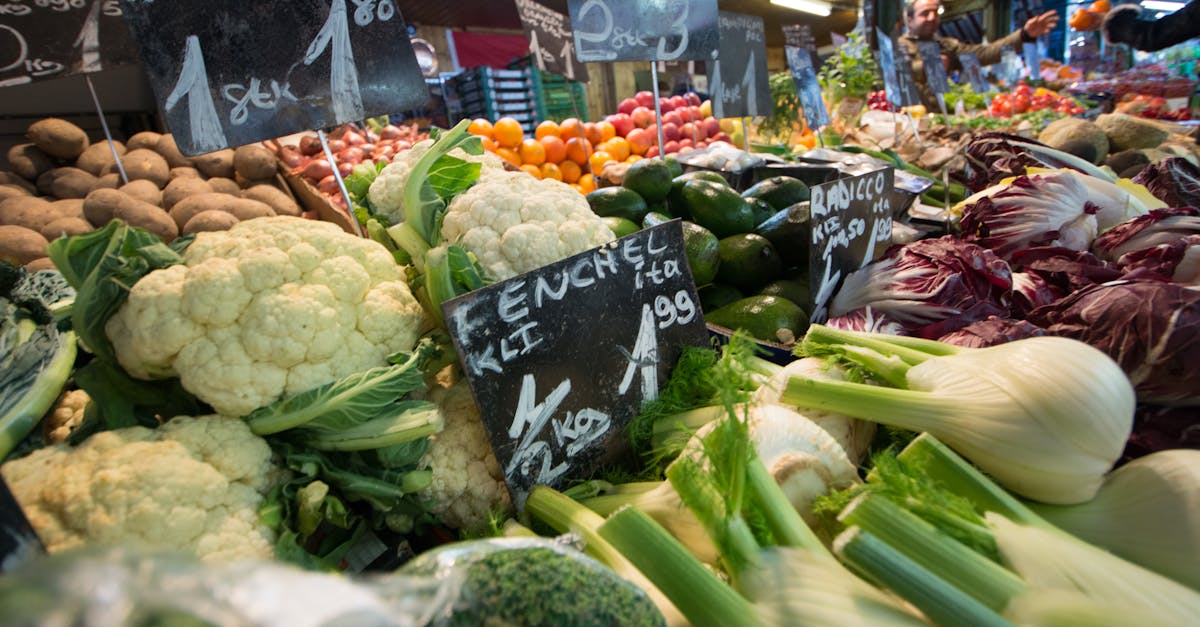
Additionally, food prices, which have gained traction unnoticed by many observers, have increased around 5.4% on average. Specific items like dairy and meat have experienced larger surges, further deepening the affordability crisis for working-class families. In a nation where food insecurity is already a fierce battle, these mounting expenses translate into a tangible crisis.
Winners and Losers in a Shifting Economy
While some industries, such as travel and tourism, have bounced back significantly post-pandemic, bolstered by pent-up demand, others struggle to keep pace. The dichotomy of recovery prominently contrasts sectors vis-a-vis their adaptability to inflationary realities. Tech companies, for instance, leverage efficiency and automation to mitigate costs, thus appearing shielded from broader inflation trends. Conversely, small businesses, often less equipped to absorb costs, face closing doors due to crippling overheads and supply chain disruptions.
Internationally, comparisons paint a troubling picture, as U.S. inflation remains comparatively lower than in several major economies. For instance, European nations wrestle with rates exceeding 5%, prompting questions about America’s economic resilience versus its global counterparts. But this disparity may mask a vulnerability; while the U.S. grapples with a more sedate inflation landscape, it can be a sign of shrinking demand or economic stagnation—an outcome not immediately apparent in optimistic quarterly earnings reports.
Pondering the Decisive Fork in Economic Policy
As the Federal Reserve weighs potential interest rate adjustments in light of these developments, the question looms: what path will policymakers choose? In a landscape teetering between growth and contraction, the choice to stabilize inflation through tighter monetary policies could inadvertently stifle fledgling recovery in consumer-dependent sectors. On the flip side, allowing inflation to simmer could further entrench economic disparities, morphing temporary pressures into a longer-term crisis.
How will the economy reconcile these competing pressures—between fostering growth and curbing inflationary trends? As markets brace for potential shifts, the real conversations must begin concerning who will emerge as winners and losers from future policy decisions. The forthcoming months stand as a pivotal juncture for consumers, businesses, and regulators alike.