The Inflation Paradox
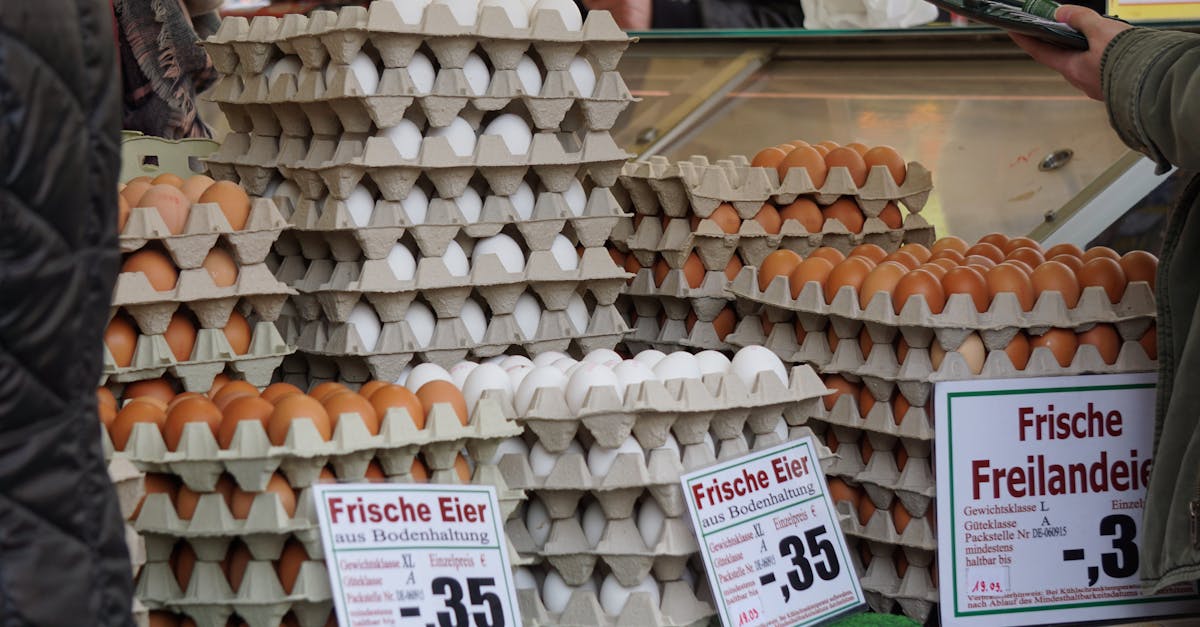
While inflation has reportedly settled at a manageable 2.4%, an undeniably benign figure amid the chaotic backdrop of recent years, many consumers are left scratching their heads over the persistent whispers of financial strain echoing in their everyday lives. Stock markets may rally and GDP may grow, but walking through the aisles of any supermarket or filling up at the gas pump often feels like contending with a ferocious beast. How can the numbers tell one story when reality for countless Americans tells another?
Discrepancies That Defy Logic
The official narrative claims a stabilized inflation rate, yet certain sectors have become battlegrounds where price hikes consistently outpace the broader figures. For instance, energy prices experienced significant volatility recently, contributing to regional disparities that make consumers feel like they are living in separate economies. According to BLS data, energy costs surged by nearly 12% year-on-year, contrasting sharply with overall inflationary pressures.
While some consumers in urban areas might see slumping housing demands on their shores, suburban areas grapple with soaring rents and limited housing supply. Herein lies a discordance that is often overlooked: affluent cities can afford to mitigate the effects of inflation better than their less economically robust counterparts. As a result, rural consumers, locked into inflexible income structures, face a very different reality than city dwellers enjoying higher wages and rich opportunities.
The Shadow of Inflation
What’s really lurking behind the curtain of the inflation figures is a trend that rarely draws headlines: the rise of hidden inflation, or what economists call “shrinkflation.” This term describes the steady decline in product sizes through a process that does not always come with an obvious price increase. Think of your favorite snack suddenly weighing less but still costing the same. This phenomenon may not appear under the inflation radar yet sneaks into consumer budgets quietly, eroding purchasing power
Of concern is the high percentage of urban consumers reporting awareness of these trends—many realize that they are simply getting less for their dollar. This leads to a societal knot where spending habits become tethered not to real income increases but to psychological adjustments and, ultimately, resentment.
Global Comparisons: A Double-Edged Sword
Take a glance at Europe, where inflation rates have begun to stabilize in a much harsher economic climate. The European Central Bank has engaged in aggressive monetary tightening, pushing for a tightening of financial conditions, turning their citizens towards frugality. Meanwhile, the Fed’s more gradual tightening and the relatively lower inflation figures create an alluring narrative of American resilience. Yet, relative stability doesn’t translate into satisfaction or contentment for the consumer base.
As for the remainder of the globe, currency stability varies significantly, which complicates the picture further. Nations in South America and southern Africa face inflation far exceeding American rates. The U.S. might seem like an oasis of relative stability, yet the monetary policies that engender that calmness carry risks echoed from the rooftops of capitals worldwide.
The Question Mark Ahead
The landscape of consumer prices unveils more confusion than clarity. With disparate inflation impacts across demographics and regions, coupled with the insidious creep of shrinkflation, the prospect of true economic recovery feels obscured. What remains dominant in discussions, however, is still the surface-level number: 2.4%.
The decisive fork lies ahead: Will policymakers prioritize tackling the nuanced realities of consumer struggles or will they chase headline figures for political gain? As consumers navigate this maze, the real question becomes whether the economy as a whole will translate measured stability into sustained satisfaction, or if it will simply remain a numbers game, glossing over the areas that truly require attention.