A Family’s Dream Vacation
Imagine the Johnson family, who have spent months planning a long-awaited trip to Europe. They’ve been eagerly saving every month, budgeting for flights, hotels, and daily adventures. With inflation at 3.8%, rising costs for essentials have put pressure on their savings. But now, the family is facing another challenge: the shifting exchange rate—the value of the dollar against the euro—and how it might impact their carefully laid plans.
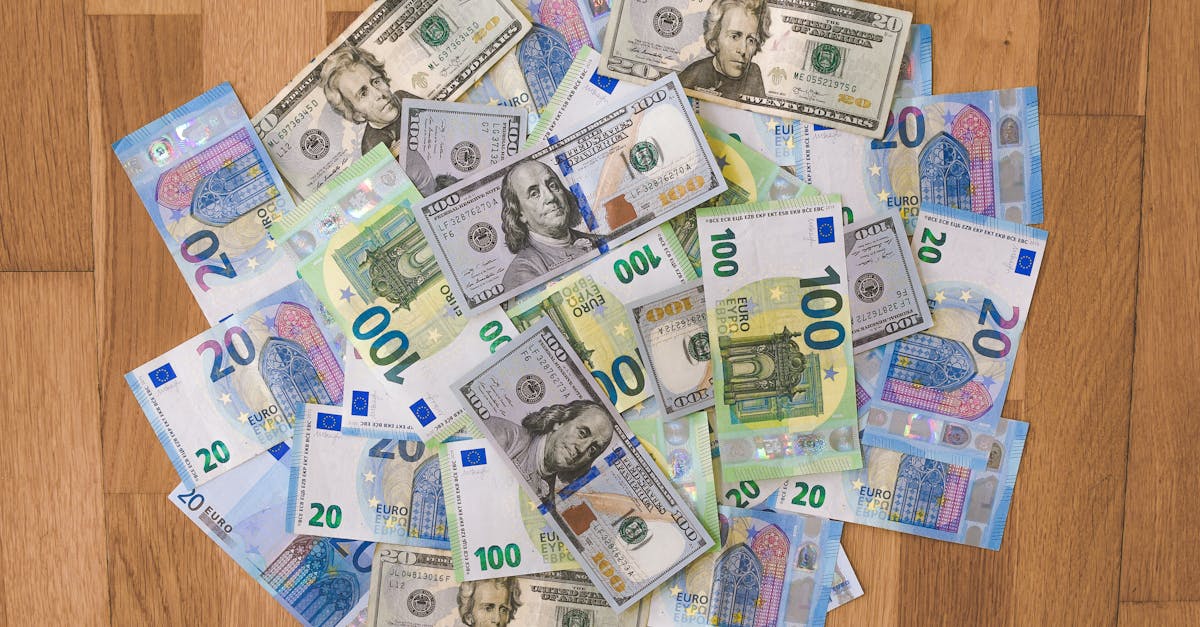
As they get closer to departure, the current exchange rate hovers around 1.10 USD to 1 EUR. This means for every dollar the family exchanges, they can get about 0.90 euros. That’s roughly equivalent to understanding that their vacation budget shrinks the moment the dollar weakens. If the rate dips to 1.15 USD to 1 EUR, each dollar gives less purchasing power overseas. For the Johnsons, this potentially translates to less gelato in Florence, fewer souvenirs in Paris, or a tighter budget for dining out.
The Currency Connection
Delving deeper into the numbers, the broader implications of exchange rates reach beyond just one family’s plight. As of May, inflation levels are holding steady, but many small businesses also feel the pinch. Take a local coffee shop owner in Phoenix who relies on imported beans priced in euros. If the dollar falls against the euro, those beans suddenly cost more—forcing the shopkeeper to either raise prices or absorb the costs, compromising profit margins. With the unemployment rate at 4.3%, consumer spending needs to remain strong to keep her business afloat.
In a world connected by the global marketplace, the fluctuations of currency value determine the ebb and flow of economic interactions. For the Johnsons, a mere adjustment in the dollar’s strength can mean traveling comfortably or making sacrifices during their trip.
The Bigger Picture
From the perspective of central banks, interest rates play a pivotal role in managing exchange rates. The Federal Reserve has set the interest rate at 3.63%, signaling to markets how they might respond to changing inflation rates and economic growth. Higher interest rates typically strengthen the dollar, making it more appealing to foreign investors seeking better returns. If the Fed remains firm on rates amidst inflation concerns, this could bolster the dollar’s value against other currencies.
Yet, for the Johnsons, the implications of such a shift could mean that their European dream becomes just a little less accessible. A strengthened dollar could either offset high travel costs or lead to even more expensive overseas experiences, essentially depending on when they lock in their currency exchange.
A Full Circle Back
As the Johnson family prepares to exchange their hard-earned dollars for euros at the airport, they feel the weight of financial decisions they can’t control. Each point shift in the exchange rate can have an immediate impact on their vacation experience. What seemed like an exciting opportunity to explore new cultures is tinged with the anxiety of unpredictable economic factors.
In the end, the Johnsons symbolize countless families across the United States that navigate an atmosphere influenced by intricate economic currents. The choices of families, the dynamics of small businesses, and the decisions of policymakers all intertwine, showcasing the complex narrative of the exchange rate’s impact on everyday lives. As these global and personal narratives unfold, one thing remains clear: every number tells a story.