A Family Business at a Crossroads
On a brisk autumn morning, Laura’s Bakery is buzzing with activity. The aroma of freshly baked croissants wafts through the air as Laura and her team prepare for the day ahead. This quaint establishment isn’t just the heart of the neighborhood; it also has tentacles that reach across the globe. But today, the specter of exchange rates looms large in Laura’s mind.
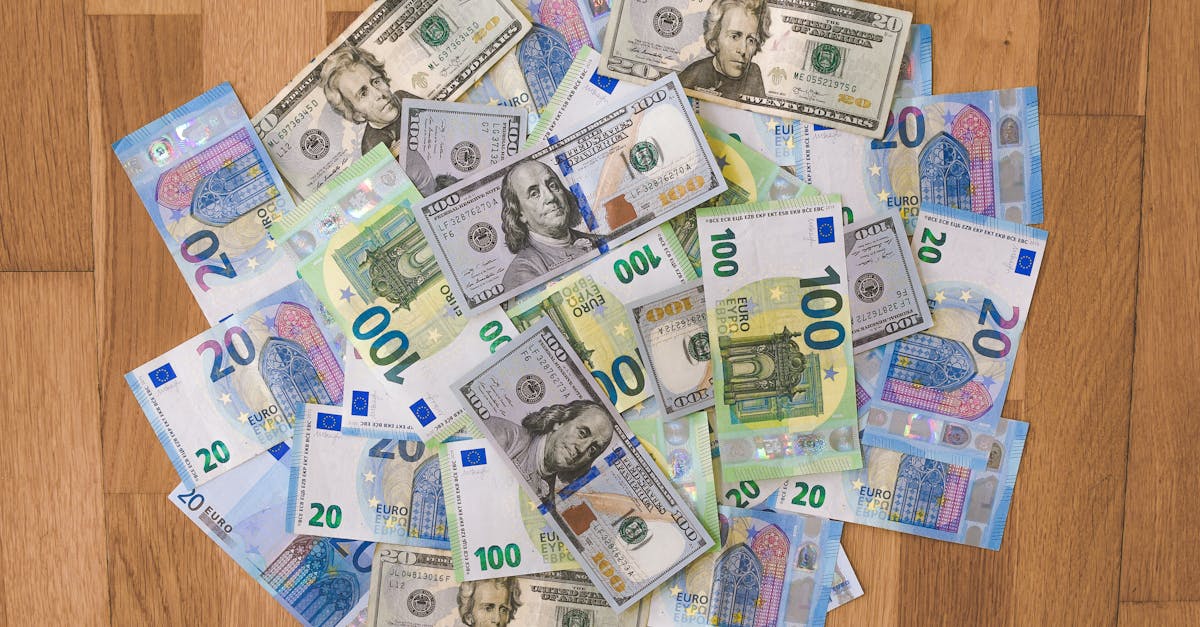
With the United States dollar currently hovering around 4.2% inflation—significantly affecting buying power—Laura has recently started importing high-quality chocolate from Belgium, where the euro is stronger than the dollar. What’s meant to elevate her pastries to a new level is becoming a double-edged sword; the cost of those indulgent truffles has risen 15% due to fluctuations in currency value.
Dollars and Cents
Imagine if Laura’s chocolate shipment cost her roughly $1,000 last year; now, it demands $1,150—not just for the chocolate, but impacting her entire supply chain. To maintain her margins, she nibbles at her profit, but as inflation nudges the price of flour and sugar upward, she faces an ever-tightening squeeze. Amidst a 4.3% unemployment rate pushing local consumers’ purchasing power down, the equation grows ever more complex.
The Bigger Picture
These factors extend beyond just Laura. The Federal Reserve has kept interest rates at 3.63%, providing some relief to consumers looking for loans but also raising the alarm within businesses that heavily rely on international trade. Higher rates typically indicate a stronger dollar, yet with inflation gobbling up value, consumers and entrepreneurs feel the pinch from both directions.
For Laura, a weaker euro means higher import costs, but it also means that American goods may become more attractive to overseas customers. Just as she struggles to balance her own costs, fellow bakers in France might see increased demand for their products if the dollar holds strong. This interconnected web of currencies creates a ripple effect.
A Ripple Effect
As Laura watches the exchange rates fluctuate, she wonders about the implications for her customers. Coffee, another mainstay of her menu, comes from Colombia. Prices of Colombian coffee beans have recently shot up due to a weaker peso against the dollar. Again, rising costs come back to Laura; higher prices may drive her customers away to competitors.
Just last week, a couple visiting from England shared their delight about the favorable exchange rate offered during their vacation in the U.S. They marveled at how their pounds stretched further, enabling them to enjoy lavish meals and experiences at Laura’s Bakery—a pleasant twist in the tale of currency exchange.
Weaving It All Together
In this delicate dance of numbers, Laura must now decide: Does she raise her prices, potentially deterring loyal customers or keep them the same and absorb the losses? Given that the bakery sector’s margins can be razor-thin, her decision may weigh heavily on her business’s fate.
The interplay of exchange rates continues to shape everyday life in unpredictable ways, demonstrating how currency values ripple through families, and businesses. While Laura’s dream of bringing in European flavors enhances customer experience today, it also serves as a poignant reminder of the global landscape in which she operates.
As the day closes, Laura reviews the baking order lists, reflecting on how seemingly distant exchanges impact the warmth of her community. Just like the handmade pastries she writes off as labor of love, the local economy thrives on the balance between local effort and international interplay. Each croissant, and indeed each dollar spent, offers a glimpse into the broader economic story unfolding in a world connected by nuance and currency.