A Family’s Dream Vacation Turned Pricey
Imagine the Johnson family, eager to explore the cobbled streets of Paris as spring unfurls across the city. Lisa and David, along with their two children, have saved diligently for a year to make this dream a reality. They’ve pencil-sketched their itinerary, already thinking about croissants and Eiffel Tower views. However, as they begin to finalize plans, the shimmering dream reveals its complexities: the dollar’s exchange rate against the euro has shifted significantly.
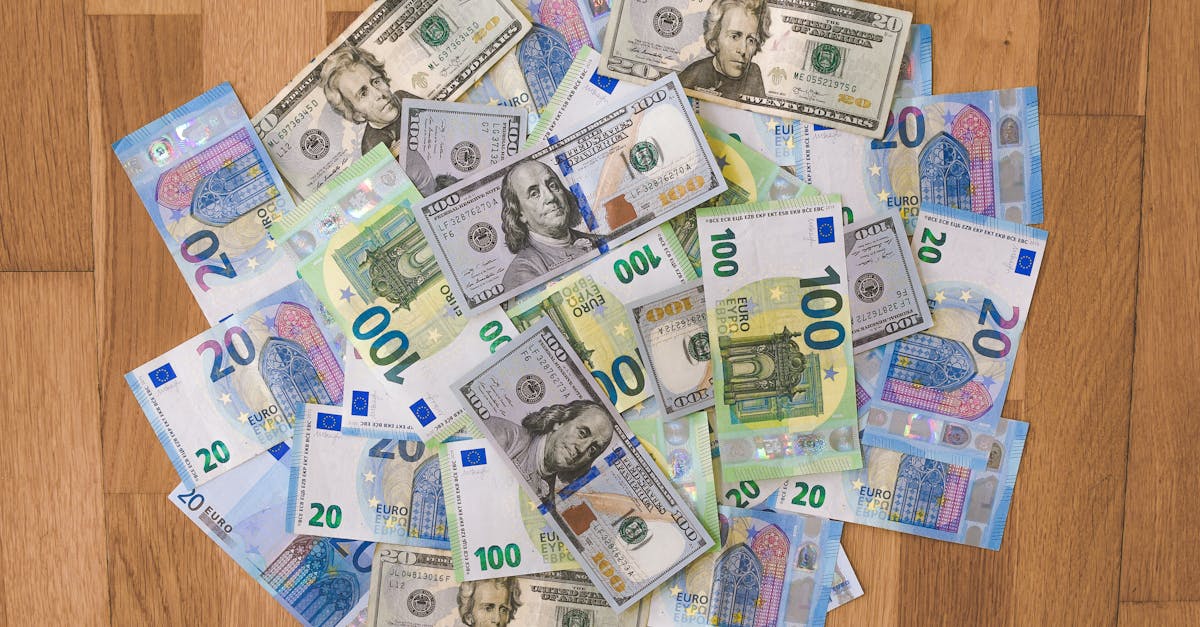
As of early March, the dollar stands perilously at about 0.82 euros. This is a notable decline from just a year earlier, when the exchange rate hovered around 0.85 euros, effectively meaning that every dollar they had set aside is now purchasing fewer euros than before. To put it in perspective: if they had budgeted $4,000 for their trip, that would have bought approximately 3,400 euros last year, but now it translates to about 3,280 euros. Each euro they aim to spend is now roughly equivalent to $1.22—adding unexpected costs to their culinary explorations and ticket purchases.
The Unseen Influences: Inflation and Interest Rates
But the financial landscape isn’t just shaped by foreign exchange rates alone. Inflation—tracked at 3.3%—affects the Johnsons’ overall financial plans. Basics such as groceries and gas have continued creeping up, diminishing their purchasing power at home. The Federal Reserve’s interest rate, currently set at 3.64%, adds another layer to their planning. With all bank loans having fees tied to these rates, every bit of saved cash carries more weight, especially when factoring in how borrowing or financing travel would quickly change their budget.
With inflation impacting what dollars buy domestically, Lisa reflects on whether to switch hotels or consider alternative dining options. A meal that had seemed affordable is now taking up a larger portion of their travel budget, and the lingering question lingers in the back of her mind: Will they need to cut down on experiences to manage their funds more effectively?
The Broader Picture: Workers and Businesses
Beyond families like the Johnsons, businesses in America are also feeling the heat. The fluctuations in exchange rates affect importers and exporters significantly. Companies reliant on foreign goods are grappling with increased costs, while exporters may find their products becoming cheaper abroad, both of which ripple into consumer pricing on a broader scale. Especially in industries exposed to international trade, the current unemployment rate of 4.3% can reflect a shift in job security. Companies facing squeezed margins might cut back on hiring or even lay off workers, leaving families across the nation feeling the weight of economic volatility.
Returning to the Dream
Back to the Johnsons, they find themselves recalibrating their budgets and reconsidering travel plans. They discuss possible adjustments, perhaps delaying their trip until the exchange rate swings in their favor—or, if nothing changes, settling for more local adventures. The unpredictable nature of exchange rates has intertwined itself into the fabric of their expectations, leaving them to navigate both excitement and apprehension as they weigh future decisions.
This family’s vacation dream illustrates a broader economic tapestry influenced by intertwining forces: foreign currencies, domestic inflation, and interest rates. These factors conspire to shape every living room conversation about vacations and finances, serving as a reminder of how global dynamics have a very tangible impact on individual aspirations. As families strategize their priorities, a crossroads of personal finance and international economics comes into finely shaded focus.