The Family Vacation That Almost Wasn’t
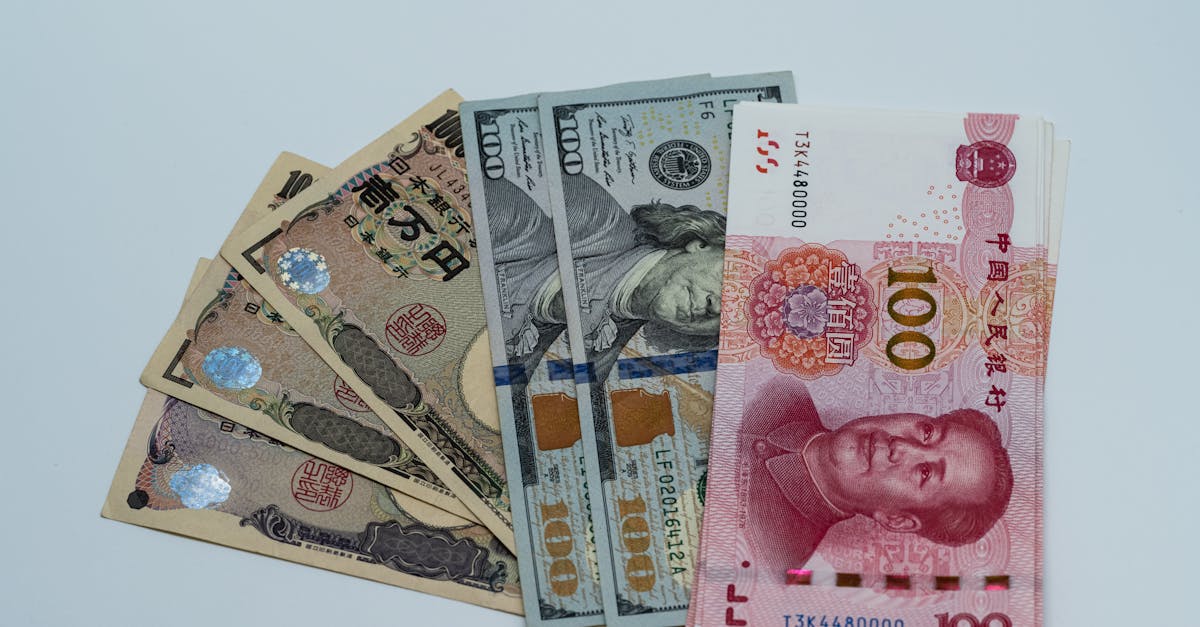
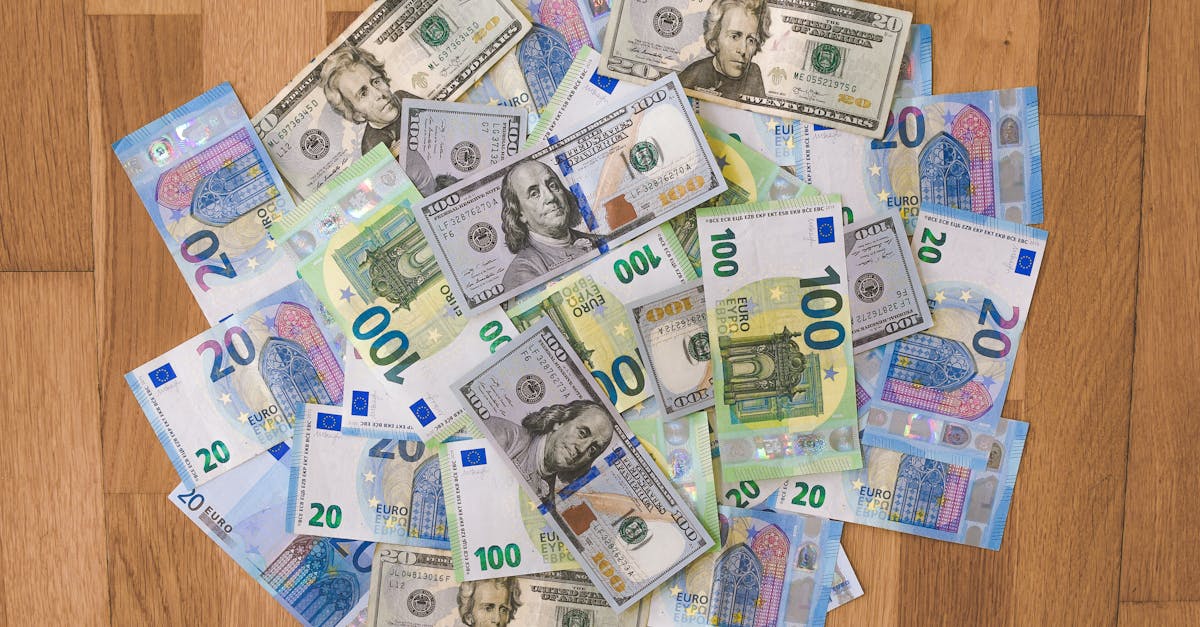
The Johnson family had dreams of exploring the Mediterranean, picturing sun-drenched beaches and charming cobblestone streets. However, as they painstakingly calculated their budget, a fluctuating exchange rate cast a shadow over their plans. They needed to convert their hard-earned dollars into euros, and with every passing day, the conversion made them feel like they were being squeezed tighter financially.
A few weeks back, one euro cost roughly $1.10. Now, with the greenback softening due to geopolitical tensions and Federal Reserve shifts, each euro had jumped to $1.15. For the Johnsons, that was no trivial matter. The price tag for their dream vacation had increased significantly. Imagine that—what used to be a $10,000 trip was now edging closer to $10,500 simply due to the currency imbalance.
A Glimpse Under the Hood: Inflation and Employment
Inflation in the economy was reported at 3.3%, a clear indicator of rising prices that were impacting the Johnsons’ everyday grocery bills, rent, and savings for their anticipated journey. Meanwhile, the unemployment rate lingered at 4.3%. While this figure suggests a relatively stable job market, lower employment rates can increase labor costs. As families like the Johnsons squeeze their budgets tighter, prices at local stores rise to cover these increases.
Consider the consequence of such inflation when planning a vacation abroad. Not only do families like the Johnsons need to account for currency exchange fluctuations, but the real purchasing power of their dollars has diminished. Thus, the amount of euros they receive becomes increasingly critical, as travel budgets feel the pinch of rising prices back home.
The Ripple Effect on Businesses
The effects of exchange rates extend far beyond family vacations; they trickle into local and national businesses, too. Take, for instance, a manufacturer in Ohio that exports parts to Europe. With a strong dollar, American products become more expensive for overseas buyers, leading to decreased international sales. If the manufacturer initially sold a batch of goods for 100,000 euros, the rise in the dollar’s value could result in a loss of nearly $5,000 in revenue if those euros now buy less than they did before.
In contrast, a weaker dollar often boosts exports when translated back into dollars, thus creating a potential for increased profitability. However, the Johnsons might not feel the benefits of this in their own vacation plans, as the interplay between their dollar and foreign currencies remains a complex web.
Bringing It All Back Home
Back in the Johnson household, the mounting pressure of foreign exchange rates had forced them to rethink their grand plans. Now, instead of fine dining and luxurious accommodations in Europe, they revisited their itinerary and added budget-friendly options. They considered alternate destinations, encouraged by friends’ anecdotes of equally breathtaking—and less expensive—trips within the confines of their home country.
Their tale serves as a reminder that behind every rising travel cost or product price, there’s a story steeped in economic realities. The interplay of exchange rates creates ripples that affect personal dreams, business profitability, and even the broader economy. As the family looks ahead, they remain hopeful about finding a way to make traveling feasible, as they adjust to the constantly shifting landscape of currency and economy.
The Johnsons’ journey illustrates the very real connection between global finance and local living, reminding us all that in the great game of economics, every decision—both big and small—can be influenced by forces we might not fully grasp, but that surely shape our everyday experiences.