A Family’s Journey Abroad
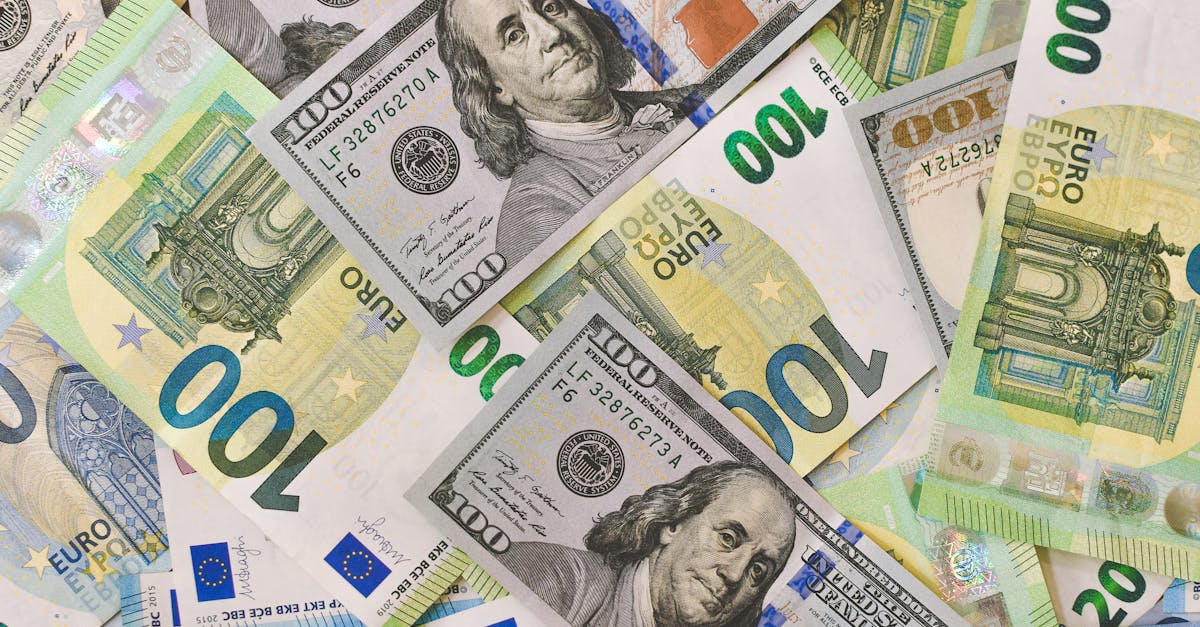
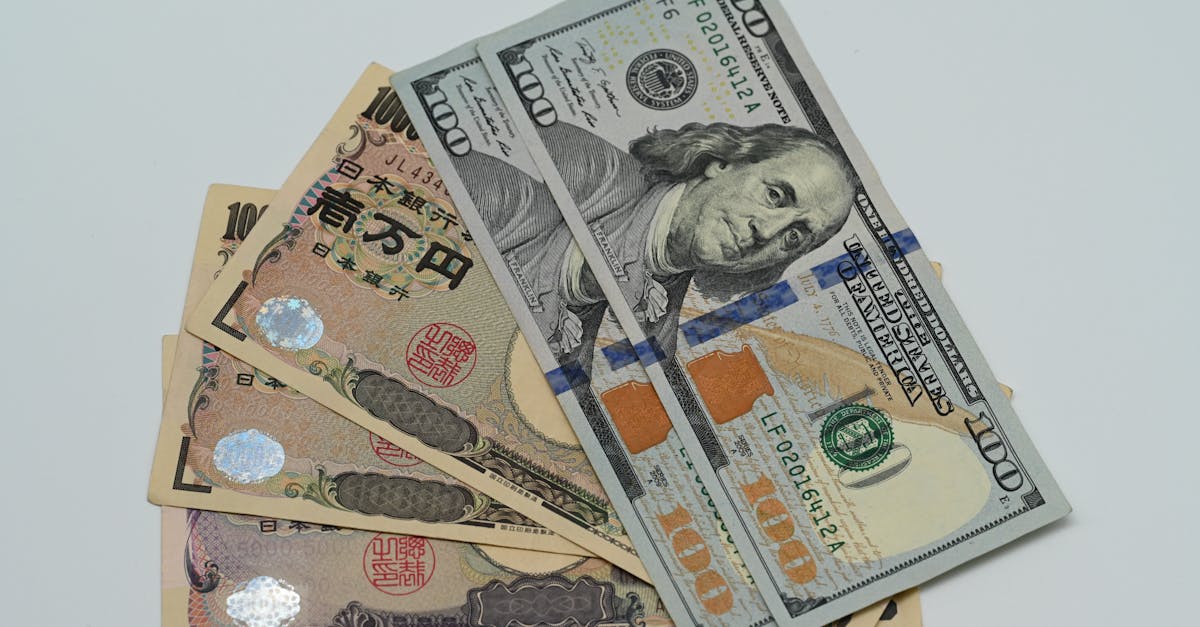
Picture the Rodriguez family, excitedly packing for their long-awaited trip to Europe. Maria and Juan, along with their two children, have saved diligently for this vacation, budgeting $4,000 for summer adventures. With the U.S. dollar currently trading at roughly 0.90 euros, they foresaw spending about 3,600 euros. Little did they anticipate the late spring turmoil affecting the exchange rate.
As Maria checks the latest conversion rates while sipping morning coffee, she notices something unsettling: the dollar has depreciated against the euro. What had been a steady ratio just weeks before now sits at 0.85 euros per dollar. That seemingly minor shift means they can afford 3,400 euros instead, or about $4,600 worth of goods in Europe. The impact? A family that once dreamed of exploring the lush vineyards of Tuscany now has to scale back on their plans, opting for less extravagant accommodations.
Numbers Behind the Bolts and Nuts
This small family story captures the broader economic pulse driven by numbers that might seem mere symbols to some. The recent data from the Bureau of Labor Statistics reveals inflation running at 3.8%. Though this figure reflects domestic prices, its international implications cause ripples in the foreign exchange market. Higher prices domestically can weaken the dollar’s attractiveness abroad. The Federal Reserve, responding to shifts like these, has set interest rates at 3.64%. When rates rise, it often fortifies the dollar as investments pour in seeking more return. However, the current narrative of a weaker dollar suggests a more nuanced story — one that could upend a family’s dream vacation.
Business as Usual?
Consider Jerry, a small business owner in Chicago who imports Italian leather handbags. When the exchange rate shifts in favor of the euro, Jerry feels the pressure. His usual order of handbags costing $20,000 now climbs to nearly $24,000. While Jerry could dramatically adjust prices, doing so risks alienating his customers, some of whom are already feeling the weight of rising costs domestically. Despite inflation’s grip tightening at 3.8%, his 4.3% unemployment figure means that competition for customers is fierce. Buyers are more cautious. Each handbag sold has become a strategic decision influenced heavily by the whims of foreign currency markets.
Workers’ Wallets and Global Flows
And what about Angela, a mid-level finance worker at an American multinational company? Angela sits in meetings where the conversation constantly shifts to emerging markets. Their potential to deliver goods for far less — partly due to a favorable exchange rate for those economies — hangs over her job security. The looming fear of globalization’s grip, combined with local inflation, poses a real threat as her company looks to streamline and cut costs. Every quarter, Angela hopes that the Fed’s strategic decisions stabilize the dollar, granting her a sliver of assurance for her financial future. She’s part of an interconnected web that stretches far beyond borders, each thread woven through the loom of exchange rates.
Circle Back to the Rodriguez Family
Returning to the Rodriguez family, their frustrations echo across many homes in America. As they navigate the complexities of exchanging dollars for euros, they feel the weight of a world shaped as much by foreign policy and interest rates as by their everyday choices. Instead of three pairs of shoes and a sunhat for their trip, they settle for one pair and two hats—small sacrifices due to the bite of currency fluctuations.
In a world where exchange rates dictate travel, business must adapt and families must compromise, there’s a bittersweet dance going on, a currency tango that weaves the triumphs and struggles of American lives in tandem with international financial dynamics.