Rethinking Labor Productivity: A U.S. Perspective Amidst Shifting Economic Currents
The latest data on U.S. labor productivity reveals a concerning decline of 0.5% in the fourth quarter of the past year, a stark contrast to the steady gains seen in global competitors such as Germany, which reported a 2.1% increase in the same period. This erosion of productivity—measured as output per hour of labor—poses significant questions for the U.S. economy as it grapples with persistently low growth rates, even as inflationary pressures ease.
What the Numbers Say
To fully grasp the implications, consider that U.S. labor productivity has expanded a mere 1.3% over the past year, compared to an impressive 3.4% in major advanced economies. The disconnect raises alarms. The International Monetary Fund (IMF) forecasts that productivity improvements are essential for maintaining economic competitiveness, particularly as the U.S. remains mired in a sluggish recovery.
Meanwhile, inflation figures linger at 2.4%, suggesting that economic pressures are not alleviating as expected. As businesses are squeezed by rising costs, they are reluctant to invest in the tools and technologies that could enhance productivity. This cautious stance reflects a broader sentiment, as evidenced by the Federal Reserve’s current interest rate, standing at 3.64%, and a labor market that shows signs of faltering with an unemployment rate hitting 4.4%.
Comparing Across Borders
The United States is not operating in isolation. When juxtaposed with countries like Singapore, where productivity surged by 4.8% recently, America’s stagnation becomes even more pronounced. Nations that have embraced automation and technological innovations are reaping the rewards. In contrast, U.S. firms appear to be treading water, focusing more on maintaining operations than on growth-enhancing strategies.
Underlying Causes
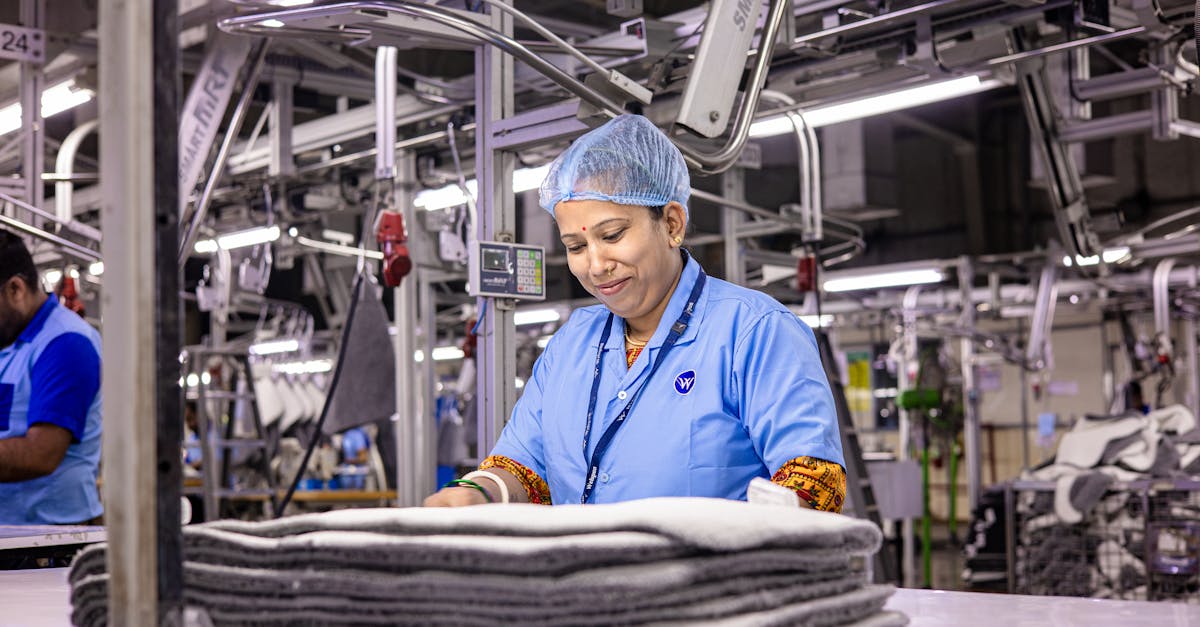
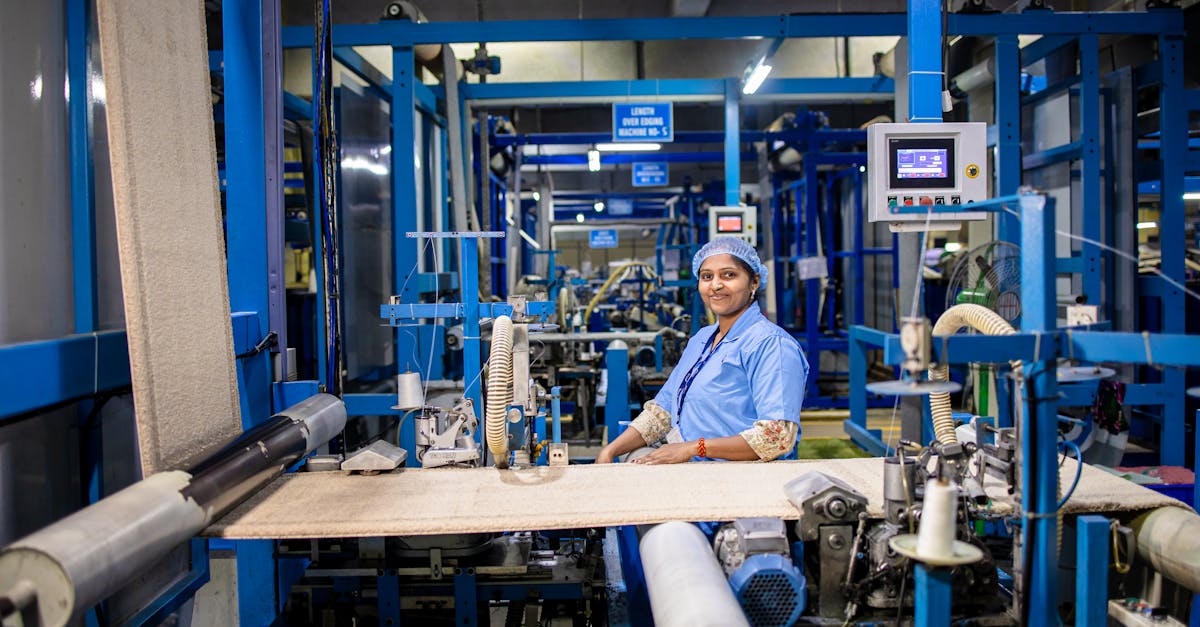
Several factors contribute to this trend. A tight labor market makes it challenging for employers to find qualified talent, stifling innovation and growth. In addition, persistent supply chain disruptions have prompted many businesses to prioritize immediate operational stability over long-term investments. For example, the construction and manufacturing sectors, which heavily influence overall productivity, reported declines in output due to labor shortages and material costs.
The latest data signals an urgent need for policymakers to rethink the economic narrative. Encouraging cooperative business models, improving education and training systems, and embracing a culture of innovation could potentially reverse this trend.
Bridging the Gap
A proactive approach to skill development and embracing technology could revive growth in productivity levels. The recent $1.2 trillion Infrastructure Investment and Jobs Act emphasizes investment in sectors that can lead to productivity gains, from green technology to education, aiming to equip the workforce to meet the challenges of tomorrow.
Furthermore, as the Federal Reserve continues to navigate a path of interest rate adjustments, businesses must also adapt to the headwinds of a changing economic environment. Consumers are increasingly sensitive to rising costs amid softening demand, which underscores the essential role productivity plays in ensuring robust competitiveness and consumer confidence.
The question remains: can the United States transform its labor productivity trajectory against these formidable backdrops? As the economy shifts and changes, one thing is certain—the U.S. must find a way to bridge the productivity gap to thrive in a globalized world.