A Saturday Morning at the Johnsons’
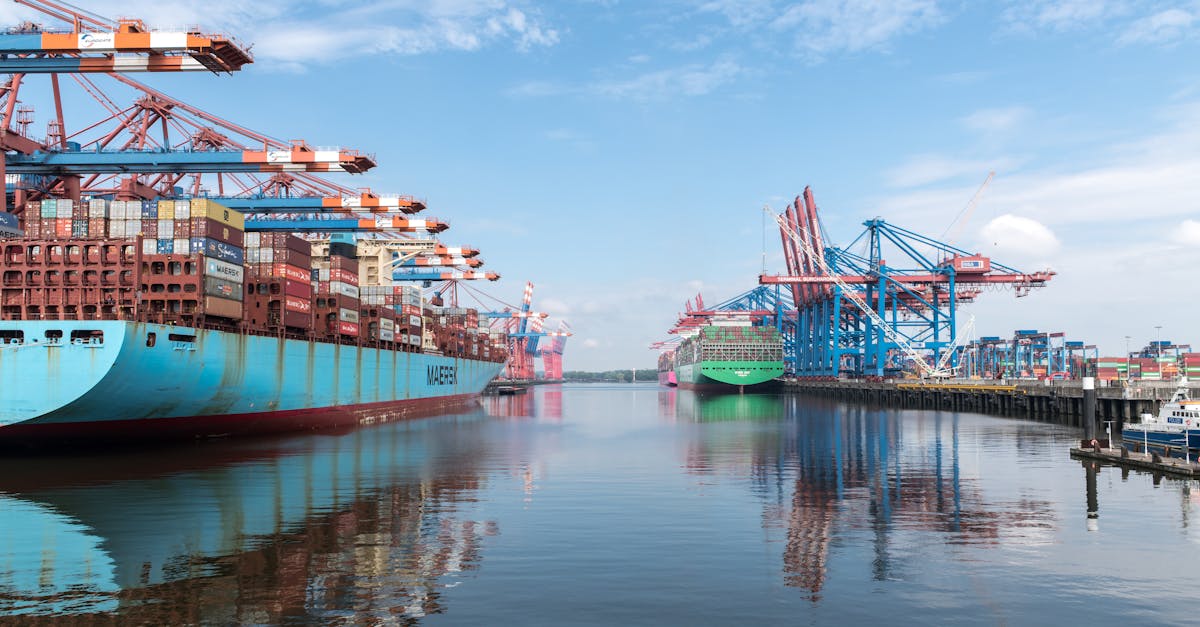
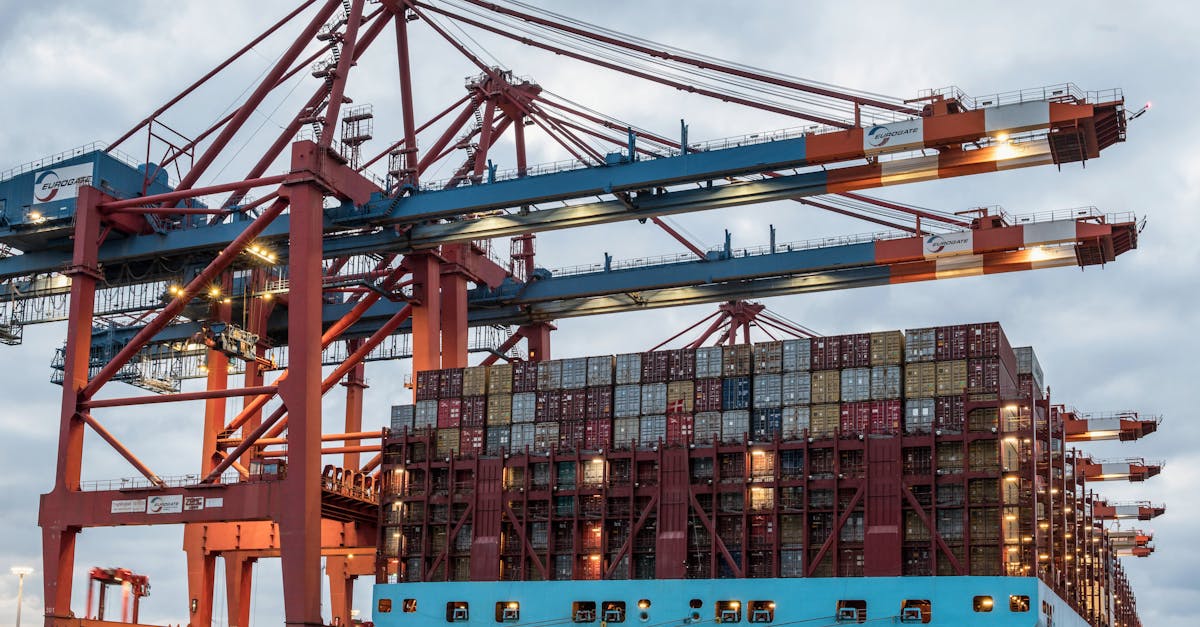
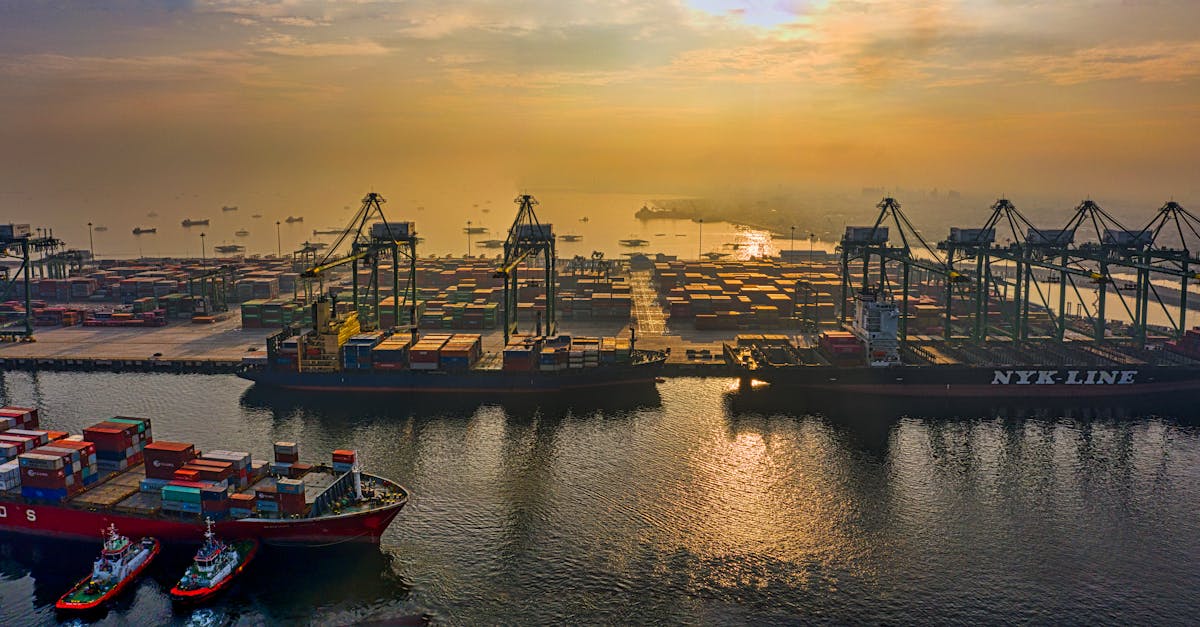
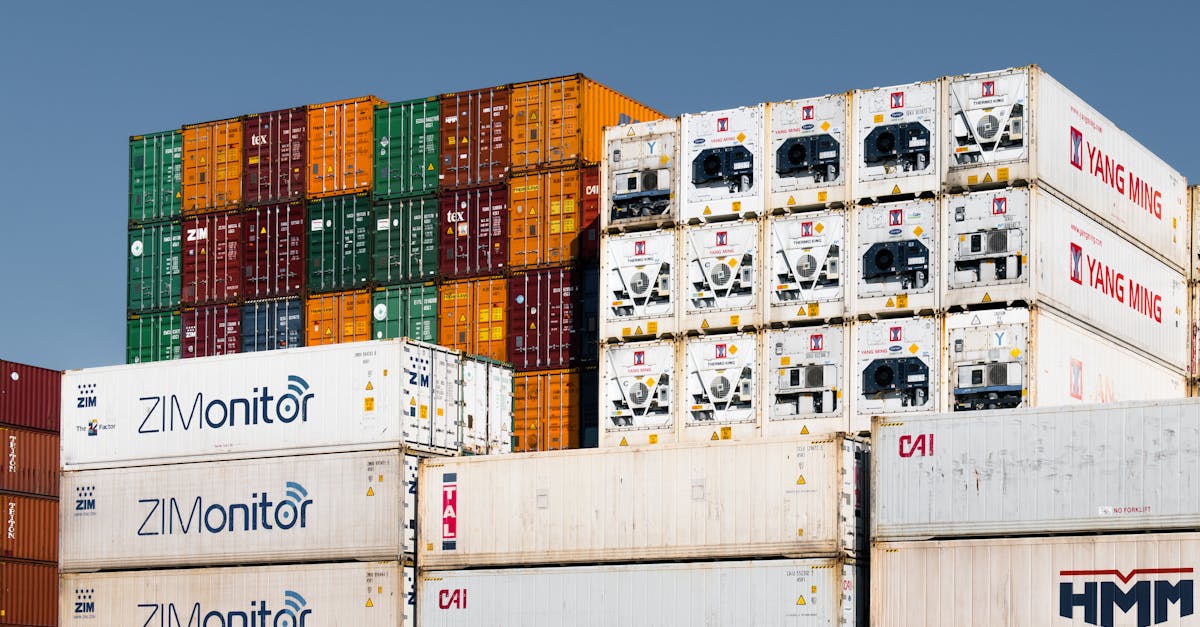
On a crisp Saturday morning in a suburban neighborhood in Ohio, the Johnson family gathered around the breakfast table. While they enjoyed steaming cups of coffee and pancakes dripping with maple syrup, 10-year-old Sam excitedly showcased his new toy freight train, a beautifully crafted model imported from Germany. As the family admired the train, it was hard to ignore the broader implications of that tiny German toy — especially when considering that in July alone, the U.S. recorded a trade deficit of approximately $69 billion.
While the Johnsons celebrated their new toy, little did they know how this toy freight train reflected a significant piece of a larger economic puzzle. The trade balance, the difference between economic exports and imports, had implications that extended far beyond the Johnson kitchen table. America’s imports outpaced its exports, creating a gap that shaped the economic landscape, including jobs, wages, and even inflation.
The Heartbeat of Trade: Numbers and Narratives
The allure of foreign-made goods appeals to many American families, just as it did to the Johnsons forgetting to check the price tag on the high-quality German toy train. On a national scale, the U.S. exported $258 billion worth of goods in July, compared to $327 billion in imports. This means that for every dollar’s worth of American products sent overseas, $1.26 worth of goods come into the country. It’s as if for every delightful German train on the table, there are over a dollar’s worth of American products still sitting on the shelf.
Sam’s dad, Frank, a manager at a local manufacturing facility, felt the pinch of this trade imbalance. His factory was churning out products, yet the demand for exports from his firm dropped as foreign markets were saturated with their own products. In mid-2023, U.S. exports were roughly equivalent to $3.1 trillion on an annualized basis — a steep number that still lagged behind the $4.1 trillion in imports.
The Fabric of Local Jobs
As Frank thumbed through his emails, he noted the recent layoffs that his company had to implement due to slumping demand abroad. His industry, machinery manufacturing, had grappled with increasing competition from cheaper alternatives in Asian markets. The Bureau of Labor Statistics recorded a modest increase in jobs across various sectors, but underlying trends suggested manufacturing jobs remained under pressure due to imports that were driving prices down. Meanwhile, at establishments like Frank’s, average hourly earnings dipped by 1.5% when adjusted for inflation.
The Johnsons weren’t just impacted as consumers of imported goods; their entire community felt the ripple effects of trade policy and export levels. For Frank, it meant the possibility of canceled plans for a family vacation to Yellowstone that he’d been promising his kids. A trade deficit can translate into a weaker dollar, effectively diminishing purchasing power and the ability to splurge on such an adventure.
A Global Marketplace: Both Challenges and Opportunities
The Johnsons’ experience reflects a fundamental reality of the modern economy: trade is a double-edged sword. America’s imported goods often come at a lower price, benefiting consumers in the short term. However, the struggle for local businesses to compete internationally reveals a glaring tension in maintaining a balanced trade. Adjusting tariffs and trade policies could shift dynamics, fostering growth in exports, yet also risking retaliatory measures which might limit imports, impacting everyday prices.
As Frank looked over the latest quarterly reports at work, he found a glimmer of hope — an uptick in market opportunities in Mexico, where the proximity promised easier exports. Maybe soon, their family table might celebrate more American-made products. It was a reminder that behind each trade statistic lies a story, a family’s goods, livelihoods, and aspirations riding on the turbulent waters of global commerce.
Full Circle to the Johnsons’ Table
Back at the breakfast table, as the Johnson family wrapped up breakfast, Sam carried his toy train towards the living room. That German-engineered freight train, a reminder of global trade influences, was more than just a beautiful toy; it encapsulated the heart of the trade balance narrative. In a world where imports are plentiful but exports have significant room for growth, the Johnsons understand their consumption carries weight, reminding them of the fragile web that connects their household to distant factories and far-off countries.
With a simple clack of the train wheels echoing through their home, the Johnsons unknowingly mirrored an economic reality—a balance that illustrates the complexities of trade, where every toy tells a wider story of interconnected lives.