Navigating Trade Tides: A Family’s Journey Through Exports and Imports
On a crisp autumn morning in Minneapolis, the Johnson family sits around their kitchen table, excitedly planning their trip to a local festival. Their budget? Mostly funded by a recent windfall from their small business that crafts wooden toys, a beloved product that has found markets as far away as Canada and Mexico. What they don’t know is how their small-scale success is part of a much larger narrative about America’s trade balance and the dynamics of exports.
As Emily Johnson, the family matriarch, recounts the orders they’ve received, she reflects on how her husband’s craftsmanship and dedication have helped them export their products to foreign markets. In the last quarter, U.S. exports of goods increased by approximately $11.4 billion, lifting the total to around $252.4 billion. This surge in exports, particularly in durable goods like toys, helps shrink the U.S. trade deficit, showing how small businesses contribute to national economic health.
The Ripple Effect of Trade Balances
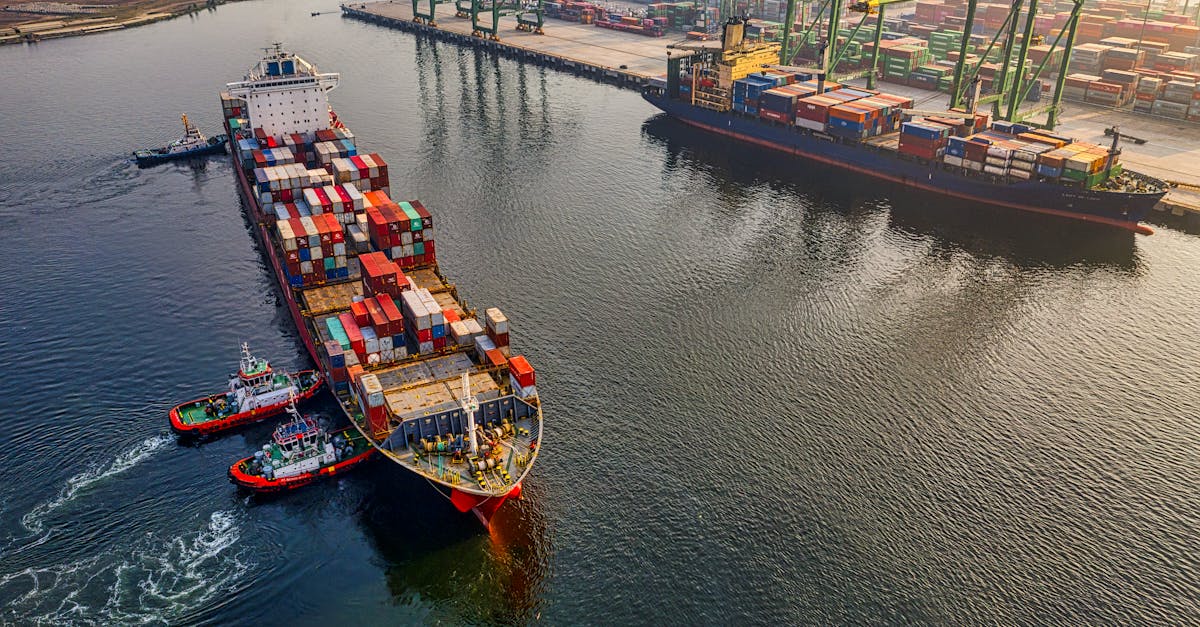
When we talk about trade balance, we often conjure images of massive shipping containers or the sprawling docks of Los Angeles. Yet for the Johnsons, the effects are felt right at home. The trade balance, reflecting the difference between what the country exports and imports, saw the deficit drop by about 3.4% in the past month, meaning the nation imported $73.3 billion in goods compared to what it exported. For business owners like Emily and her husband, a decrease in the deficit signals confidence in the economy and a potential increase in consumer spending.
Imagine these numbers—$73.3 billion in imports—it’s roughly equivalent to the annual agricultural output of several U.S. states combined. The implications ripple through the economy. As consumer demand for domestic products rises alongside exports, local craftsmanship benefits, reflecting a vibrant entrepreneurial spirit fueled by global connections.
Markets and Metrics: A Family’s Footprint on the Global Stage
The Johnsons also recognize the environmental role their craft plays. As part of an increasing trend, U.S. exports in sustainable goods have seen a promising rise. This aligns with the ever-growing consumer desire for eco-friendly products, a narrative echoed in the BEA’s report indicating that U.S. exports of goods to Canada, which accounts for about 75% of the lumber market, have surged. Heightened demands from eco-conscious consumers give Emily’s business the potential to thrive against a competitive global backdrop.
Yet, as they celebrate their prospects, they remain keenly aware of the shifts in import costs that could affect prices. Increased tariffs on imported materials could inflate costs for their operations, cutting into profits and potentially affecting pricing strategies. The ongoing push-and-pull of tariffs and negotiations with trading partners like China further complicate the landscape, reminding local business owners like the Johnsons that they operate within a web of international relations.
Full Circle: A Family’s Connection to the Economy
As the Johnson family prepares for the festival, they load up their car with colorful displays of their wooden toys, unaware of how their small endeavor ties into a vast economic story. Every sale contributes to a broader narrative about U.S. exports and trade balances. It is here that the family’s ambitions not only boost their local economy but play a part in shaping the international ledger of trade.
For Emily, the festival represents more than just a sales opportunity; it reflects the opportunities created by a favorable trade balance. As she sets out to meet customers with her children beside her, the numbers from the BEA and the BLS come to life in her community—her family’s wealth intertwined with the economies of distant nations, reminding us all that trade is as much about people as it is about products.