The Craftsmanship of Shipping: A Journey Begins
Imagine the Johnson family, nestled in a small town in Ohio, where Dave, a skilled woodworker, has turned his passion into a small furniture business, Rustic Charm Co. With their eyes set on growing beyond local sales, they’ve recently churned out a beautifully crafted line of birch coffee tables that have started catching the attention of international buyers.
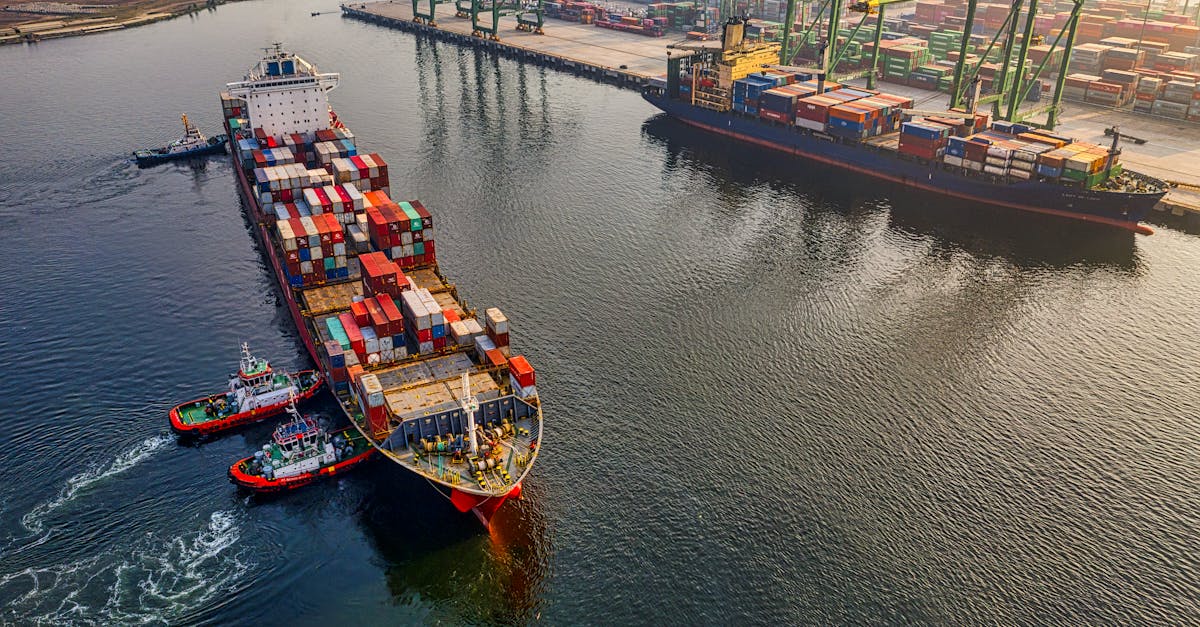
As they prepare to ship their first batch to a retailer in Europe, the Johnsons wrestle with more than just packing materials; they grapple with the wider implications of their venture on the U.S. trade balance. According to the Bureau of Economic Analysis, as of July, the U.S. trade deficit stood near $65 billion, influenced by both import and export dynamics that could affect their fledgling business.
The Symphony of Trade Numbers and Destiny
For the Johnsons, each shipment does not merely signify a transaction but a chance to contribute to the national narrative of exports, which in the latest figures, totaled approximately $250 billion that month alone. This represents a fascinating intersection between the local and the global economy, echoing the sentiments of many small businesses across the country pushing for growth on foreign shores.
Consider this: for every birch coffee table that Dave ships, he is participating in a broader dialogue where U.S. exports are crucial to offsetting imports. With the data indicating that U.S. imports for July reached about $315 billion, the Johnsons, in their small way, are pushing back against that tidal wave, highlighting the importance of balancing such figures. It’s akin to sailing against a strong current but necessary for their future.
The Ripple Effect of Trade on Daily Lives
Now, back to Dave’s business. With successful stages of shipping behind them, the Johnsons experience a significant boost in morale and revenue, potentially creating new jobs in their local community for handling the increased office and warehouse responsibilities. Together with his wife Lisa, who manages finances, they realize that each table sold abroad not only strengthens their business but contributes to the diversity of the market. It is a living microcosm of the U.S. economy, where domestic production meets global demands.
Navigating these waters, Dave finds himself relying on tools outlined by the U.S. Export-Import Bank, which shows that small businesses often face considerable challenges in accessing trade financing. The stark reality sets in—a 2023 report indicated that a staggering 90% of U.S. exporters are small- to medium-sized enterprises like Rustic Charm Co., defining the economy’s backbone.
Back to Ohio: Reflections of a Family’s Ambition
Days later, as the Johnsons eagerly await an update from their European retailer, they reflect on how their small operation intertwines with a vast economic fabric. Their hope is that by contributing to exports, they are also nudging the national trade balance closer to equilibrium. With the U.S.-Europe trade relations continuously in play, every sale is vital—not just for their family but for a greater economic stability that affects thousands.
With a packed shipment and growing dreams, the Johnsons are not just crafting tables; they’re building their place in the global marketplace. It’s more than mere commerce; it’s the embodiment of American resilience, ambition, and the impact of trade balance on everyday lives.
In a way, as they embark on this adventure, they realize that their journey reflects something much larger—the unpredictable seas of international trade and the vital role of exports in a family and the country’s economy.