As Maritza peered into her family’s modest living room, she felt a bittersweet mix of pride and concern. Just last year, her husband Luis had accepted a new position at a local textile company that specialized in exporting products overseas. Initially, it was a cause for celebration; his salary had increased by 15%, providing them with a bit more breathing room in their budget. But lately, there has been chatter at the dinner table about the ups and downs of the trade balance affecting their neighborhood, and their family’s financial future seemed more uncertain than before.
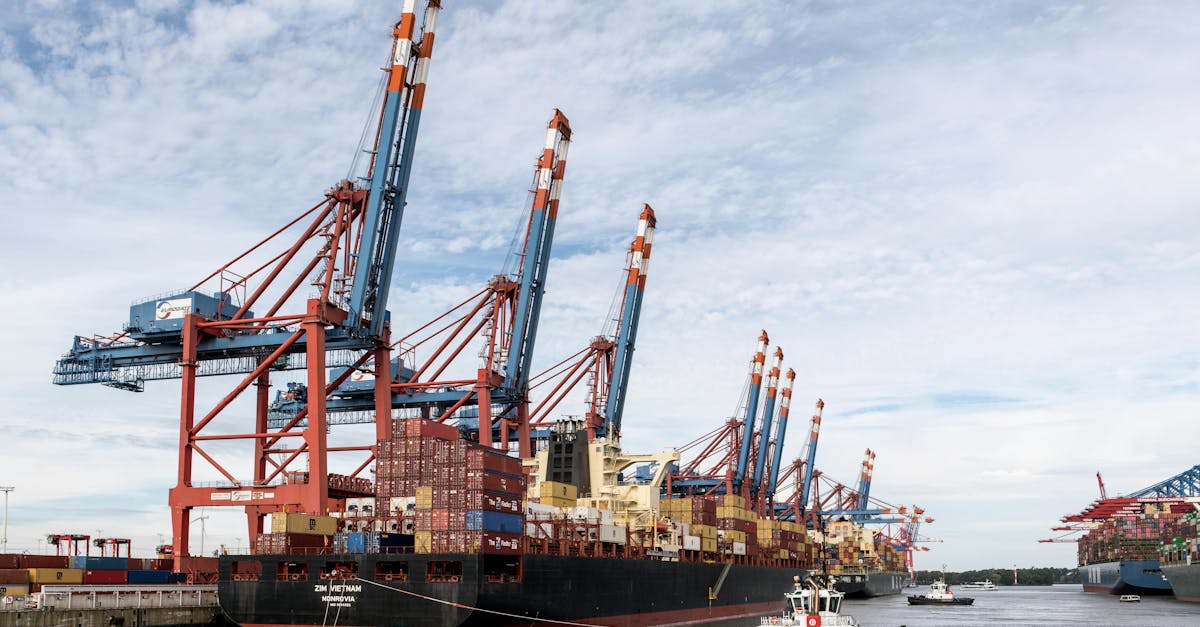
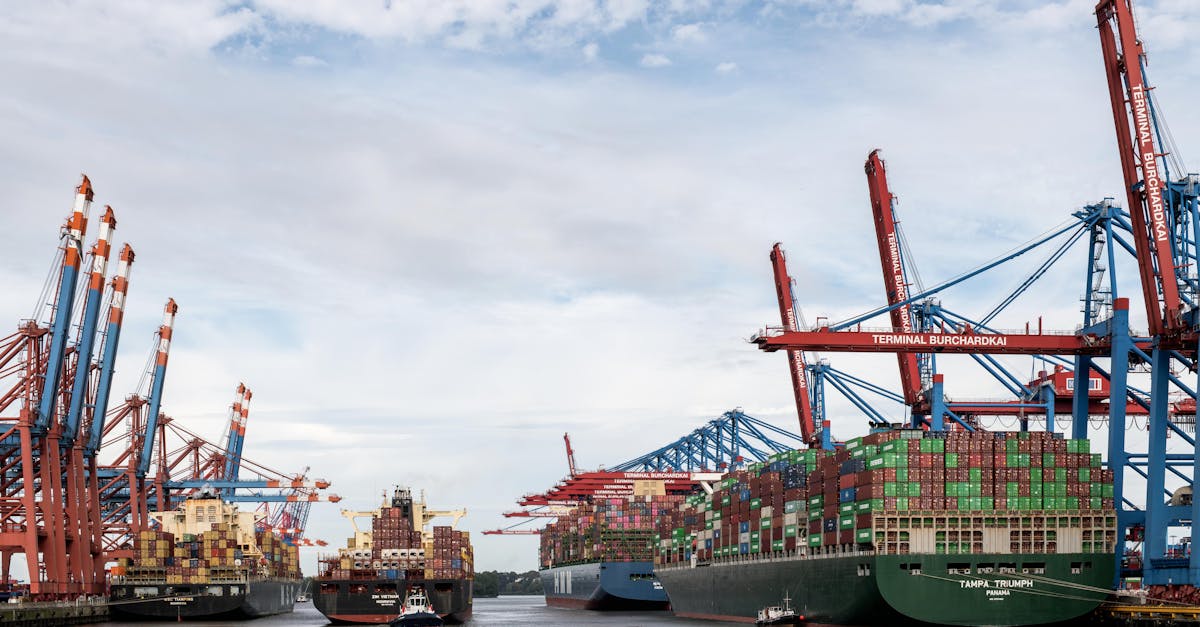
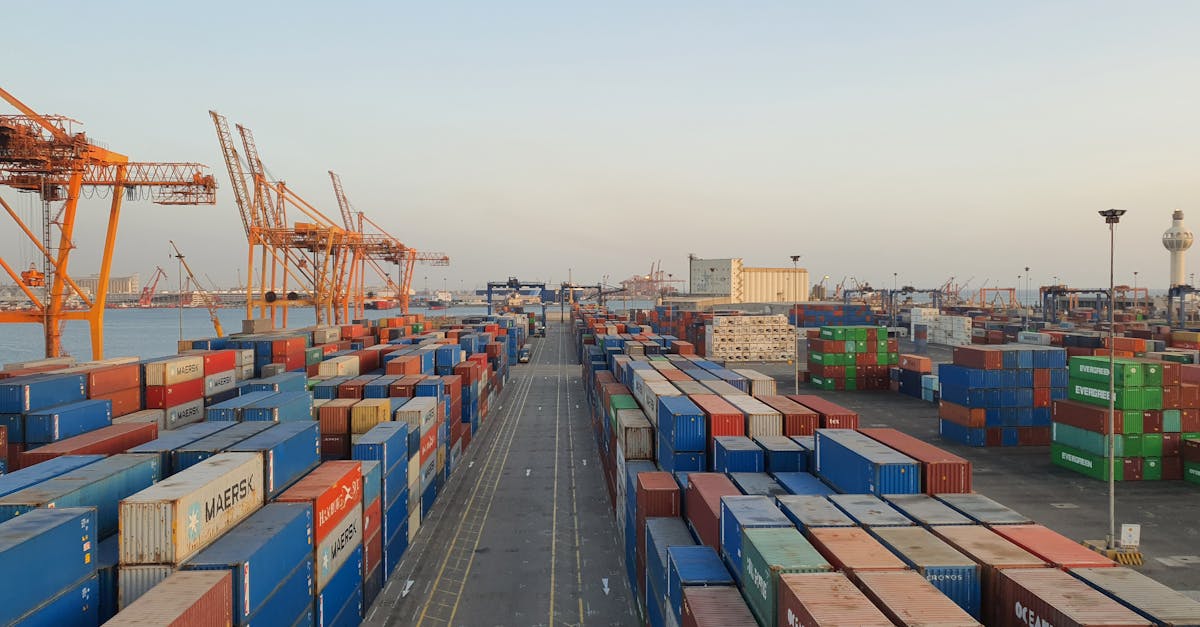
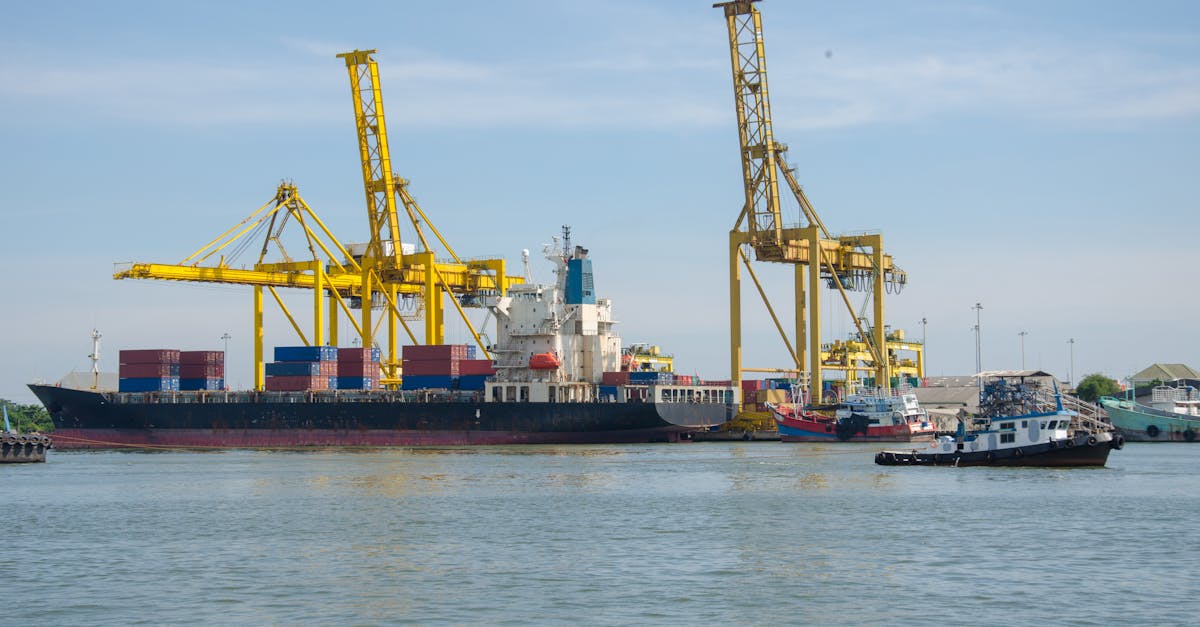
Across the United States, the trade balance has been in a constant state of flux. In July alone, the country experienced a $69 billion trade deficit, reflecting the difference between what the U.S. imported versus what it exported. This figure, equivalent to the annual salary of nearly 1,000 American teachers, paints a stark picture of the economic landscape that families like Maritza’s are navigating.
Luis’s firm relies heavily on international sales. As the dollar strengthens against foreign currencies, it becomes increasingly difficult for U.S. export goods to compete with cheaper alternatives. Family businesses often suffer when overseas customers choose more affordable products, contributing to that ever-growing deficit. In fact, exports of goods and services decreased by 2.3% in July, amounting to $252.3 billion, which was a direct hit felt by the 200 employees at Luis’s factory.
When Maritza reflects on the anxiety that Luis brings home, she inherently understands that every interaction, every purchase, stems from the health of the nation’s economy—not just their own. A decrease in exports translates thousands of lost contracts in industries spanning everything from agricultural products to manufactured goods. When Luis pulls long hours to meet sales targets in the face of increasing global competition, their stakes rise.
Imagine that each family dinner is a microcosm of the national economy: if the exports aren’t meeting expectations, their monthly grocery bills, mortgage payments, and family outings come into question. In pursuit of stability, they’ve become adept at adjusting their lives based on the trends they see unfolding in the economy. The fear of layoffs looms large, especially when trade agreements are renegotiated, and Luis’s company has to adapt at breakneck speed to survive the competitive storm.
From sectors like agriculture, where soybeans and corn often lead the charge in exports, to manufacturers shipping intricate machinery abroad, each fluctuation impacts Maritza’s family directly. For example, economist data shows that the U.S. exported $39.5 billion worth of agricultural products in recent months, but with rising tariffs from overseas, that number is slipping—exactly what keeps Luis coming home late and grim-faced. Farmers, too, are feeling the pinch, and as the cycle continues, what happens in Washington affects every shopping trip at the local market.
At a time when inflation is still lurking, Maritza finds herself contemplating whether the trade landscape will allow them to feel secure once again. If the government finds a way to buoy exports—perhaps by negotiating better trade terms or innovating within their own targeted sectors—a different narrative could unfold, one where she and Luis can begin to dream beyond mere survival.
Returning to their living room, Maritza recognizes that in many ways, her family’s story reflects a larger narrative, one of resilience amid uncertainty in a country grappling with the balancing act of imports and exports. The thread between their day-to-day choices and the broader economy is inextricably woven, demonstrating how deeply economic trends can echo through the lives of ordinary families, like hers. As scavengers of hope amidst volatility, they remain vigilant, praying that tomorrow’s trade winds carry favorable news.