A Day in the Life: Family Barbecue Under the Trade Sky
On a sunny Saturday afternoon in a suburban neighborhood, the Ramirez family is busy organizing a barbecue. The aroma of grilled burgers wafts through the air, mixed with the laughter of children playing in the yard. As they set the table for their guests, Maria Ramirez glances at the latest shipment of specialty goods her son Martin recently imported — artisanal cheese from France.
Maria, a small business owner and proud supporter of local products, often finds herself intrigued by how global trade influences her life. This week, she paid $10 for 200 grams of that imported cheese, which adds a gourmet touch to her homemade quesadillas, but that price tag conjures thoughts about America’s trade balance.
The Big Picture: How Trade Defines Daily Choices
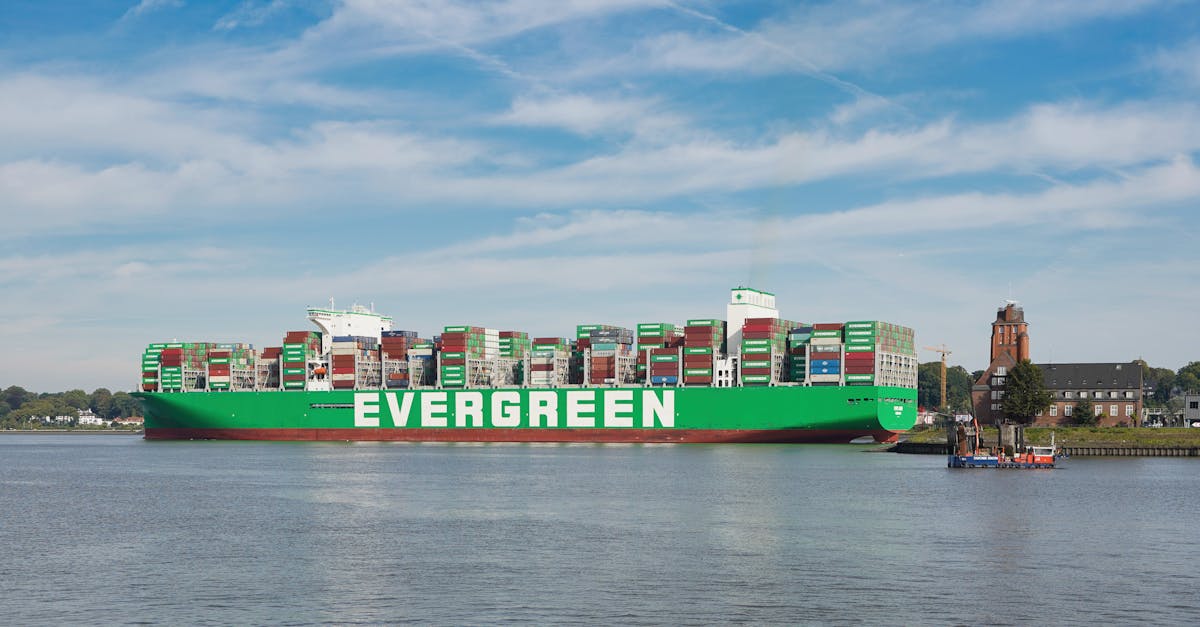
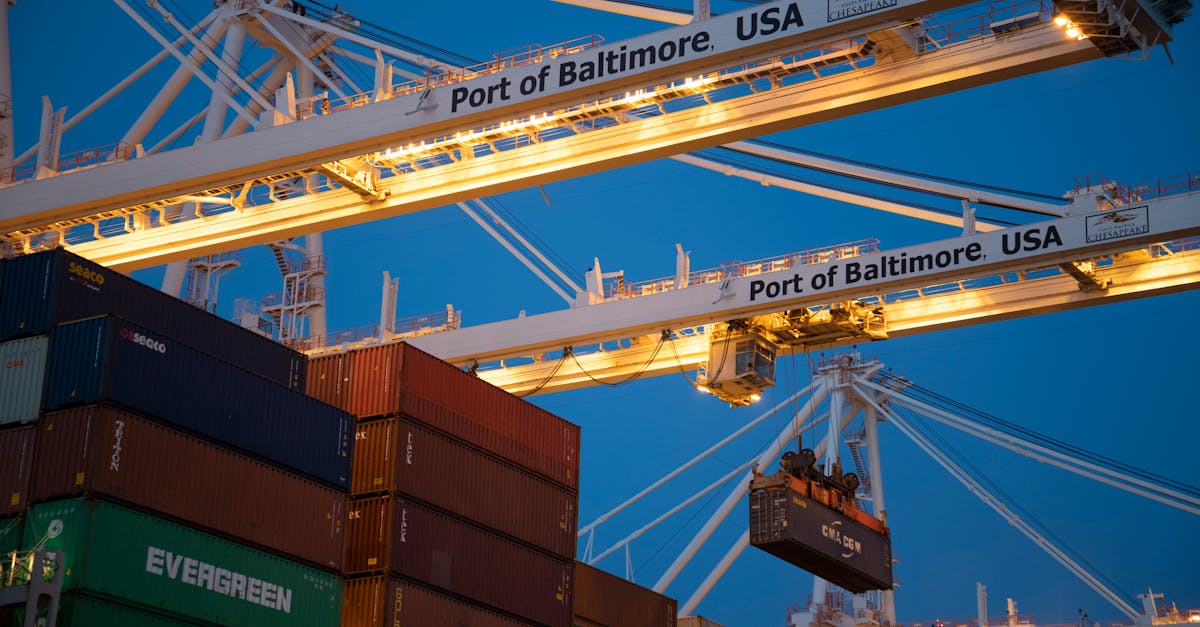
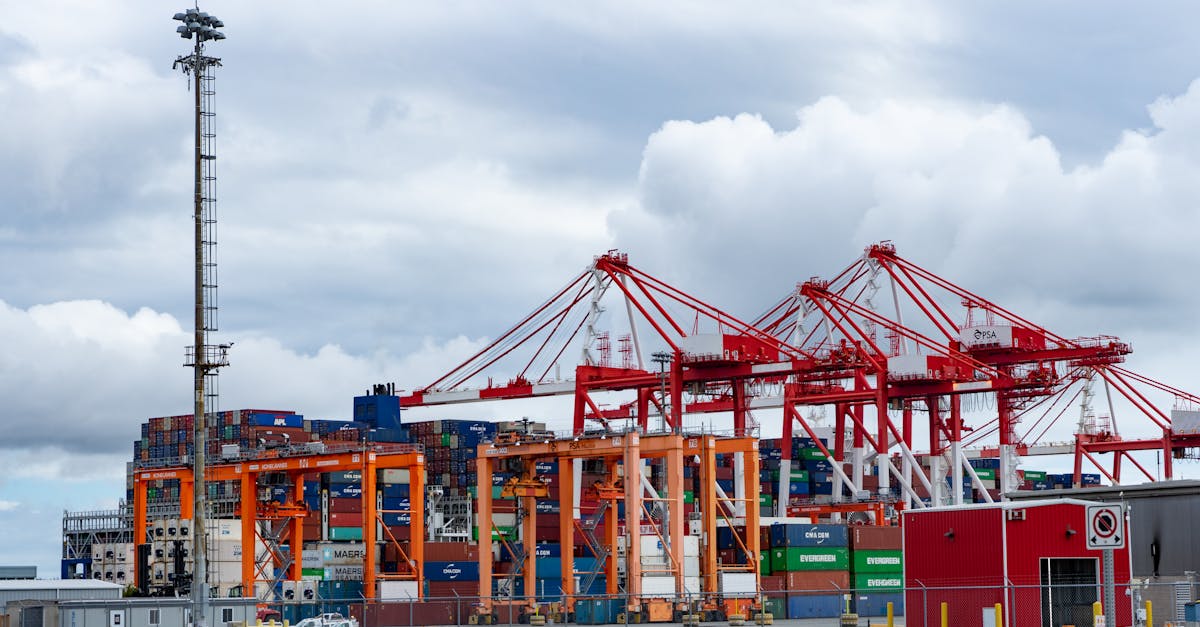
The United States’ trade balance, a crucial indicator of its economic health, stands at a deficit of about $79.0 billion, as reported by the Bureau of Economic Analysis. This figure, representing the difference between exports and imports, highlights a significant imbalance that affects Maria’s daily choices, from the gourmet cheese she buys to the electronics her family relies on.
Imagine that every week, people like the Ramirezes consume $79 billion more in goods than they sell overseas. That’s roughly equivalent to adding almost $300 to each American household’s monthly expenses, reshaping budgets and priorities across the nation. For Maria, savvy cost management is key, as trade dynamics ripple through the pricing of everyday goods.
Exports: America’s Secret Ingredient
Despite the apparent imbalances, the scene is not entirely somber. U.S. exports have shown resilience, with about $255.5 billion worth of goods making their way onto the global market in just one month. For instance, agricultural products, machinery, and vehicles represent some of the most significant outputs. Every item pulled from a factory or farm aligns with jobs and livelihoods in the U.S., including Maria’s neighbor, Billy, a factory worker producing car parts.
When we consider that exports support 1 in 10 American jobs, we begin to grasp how these seemingly distant figures touch everyday lives. Billy, working overtime to meet the demands of rising international orders, boosts both his income and the local economy. With each export, his wage contributes to the Ramirez family’s ability to afford that imported cheese, forging an invisible yet powerful link.
The Local Link to Global Markets
As the barbecue continues, neighbors gather around the grill, and Maria notices her friends discussing recent trade news. Many are concerned about rising import prices due to tariffs, while others are enthusiastic about the predictions for agricultural exports driven by favorable weather conditions this season. These conversations reflect the daily negotiations and anxieties American families face, influenced not only by local markets but also by global trade agreements and currency fluctuations.
Maria realizes that the effects of the trade balance are not just outlined in textbook graphs but are complexly woven into her life and those around her. When families are empowered to make choices like importing specialty cheeses or supporting local exports, they feed into a broader economic narrative that shapes the very fabric of their communities.
Circling Back: A Connected World
As evening falls, the Ramirez family sits down to enjoy their meal, surrounded by good food and laughter. The artisanal cheese from France, alongside locally sourced tomatoes and avocados, tells a story of interconnected economies. Maria smiles at the thought of how trade, in essence, allows her family the flavors of the world while sustaining the local jobs that her neighbors depend upon.
In a way, every meal is a reminder of that delicate balance between imports and exports, shaping not just the economic landscape, but the dinner table as well. As families like the Ramirezes navigate the waters of trade, they embody the reality of American economics — a blend of local resilience and global aspirations.