Navigating the Waters of Trade: A Local Story of Exports and Balance
A Family Business at the Crossroads
Imagine a small family-run brewery in Portland, Oregon, called Riverbend Brews. The owners, Jenna and Marco, have spent years perfecting their craft beers, and their passion has led them to explore the idea of exporting their products overseas. With the help of an export consultant, they’re investigating markets in Europe, where demand for craft beers has surged in recent years. As Jenna pours a fresh pint for a local customer, she discusses their excitement about potentially pouring pints in pubs across the Atlantic.
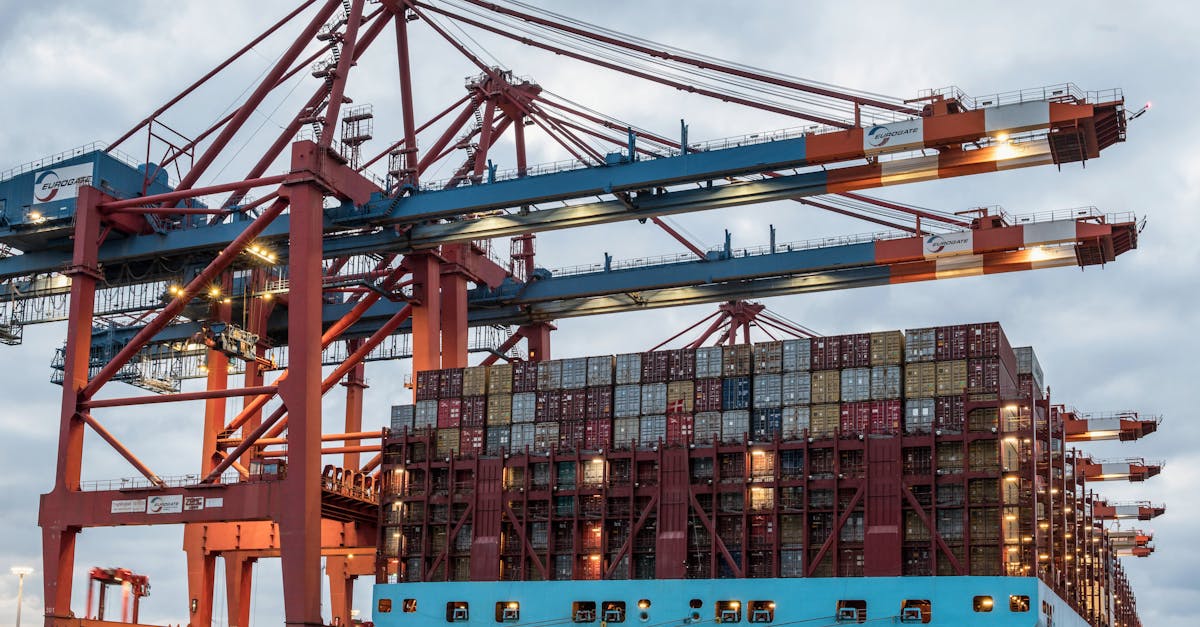
The decision to export is more than just a dream; it’s rooted in national economic dynamics. When Jenna turned to the latest economic data from the Bureau of Economic Analysis, she discovered that U.S. exports had recently reached an impressive $2.24 trillion. This figure, representing goods and services sent abroad, is equivalent to more than $6,600 for every single American. For Jenna and Marco, this data presents an opportunity — tapping into a growing trend that could elevate their business.
The Balancing Act
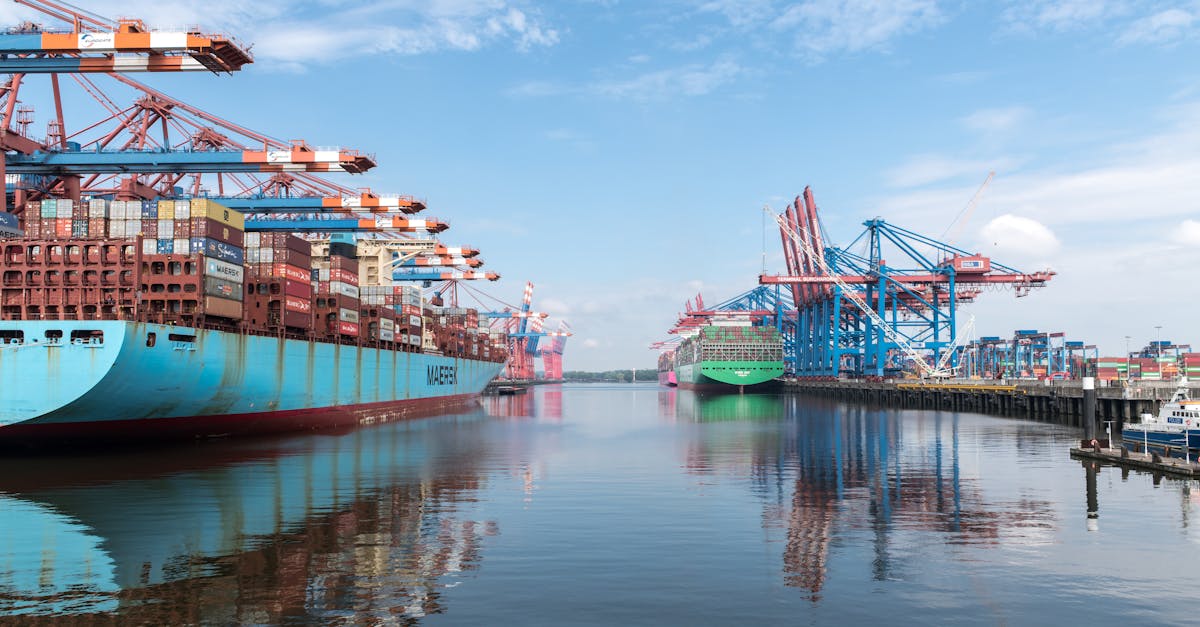
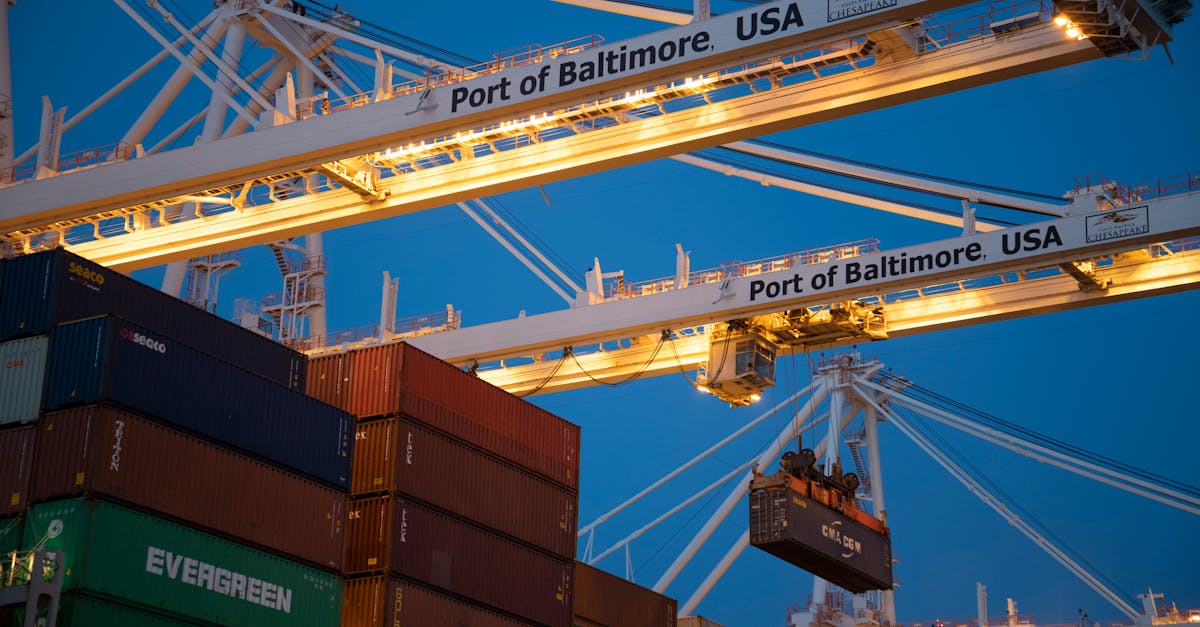
However, the journey isn’t as straightforward as it seems. The U.S. trade balance, which is the difference between exports and imports, tells a more nuanced story. In September, the trade deficit stood at a glaring $73.3 billion, as imports amounted to $317.1 billion, dwarfed by exports. This is concerning for American businesses striving to gain ground in international markets. For every $1 of goods exported, Americans imported roughly $1.41. Jenna reflects on the implications: while her craft beer might attract European consumers, she must compete against cheaper imports flooding the domestic market.
As Jenna navigates the complexities of supply chains and international laws, she pays close attention to tariffs and trade agreements. The current landscape reveals that some major American competitors are doing well thanks to favorable policies and innovative marketing strategies. The global competition reinforces her resolve; prosperity isn’t just about local demand anymore. Riverbend Brews must find a niche that differentiates it from the affordable options in the crowded pub scene.
Workers in the Equations
Consider Jenna’s lead brewer, Aaron, a skilled artisan with years of experience. His job hinges not only on local patronage but also on the growing demand for exports. The ripple effect from trade impacts wages and job security in his field. A study from the Bureau of Labor Statistics highlights that in industries where exports predominant, wages are about 9-10% higher than in those focused chiefly on the domestic market. Aaron dreams that success in Europe will solidify his position and ensure benefits of shared growth.
Yet, there’s apprehension in the air, especially as Jenna contemplates supply costs. Inflation continues to nudge prices upward, with the Consumer Price Index reflecting a 3.7% increase just last month compared to the year before. Although the hope is to increase exports, Jenna also realizes that international shippers and production costs must align to ensure that their product remains competitive abroad.
Bringing It Back Home
As the nights stretch longer in Portland, Jenna sits down with Marco to review their export plan under the glow of string lights in the brewery courtyard. With the insights from the trade balance and export figures in mind, they strategize a marketing plan aimed at capturing the essence of American craft beer while appealing to diverse tastes in Europe. After all, each pint poured overseas could help shift the balance in their favor.
Their story is one of resilience and ambition in a complex economic landscape. With each passing day, the balance of trade continues to shape not just the national economy, but also the dreams of small business owners like Jenna and Marco. Inspired by the potential of a wider market, they persist — driven by the hope of not only fulfilling their aspirations but contributing to a more balanced trade narrative for their country.