A Day in the Life of the Thompsons
Meet the Thompsons, a middle-class family living in a suburban neighborhood of Atlanta. Recently, Emily Thompson, the mother and a part-time teacher, came home buzzing with enthusiasm after attending a local workshop on international trade and economics. As she sat at the dinner table, she shared insights about the complexities of trade balances and exports, topics that, on the surface, might seem detached from daily life but actually have profound implications for her family’s future.
Emily’s husband, Mark, works at a manufacturing company that produces components used in cars exported to countries like Mexico and Germany. He had recently faced some uncertainty as his employer announced plans to ramp up production due to increased demand from foreign markets. “We’re trying to expand our export business, and that’s a good sign for us,” he shared. But how exactly did the mechanics of the trade balance influence their lives?
The Numbers Behind the Curtain
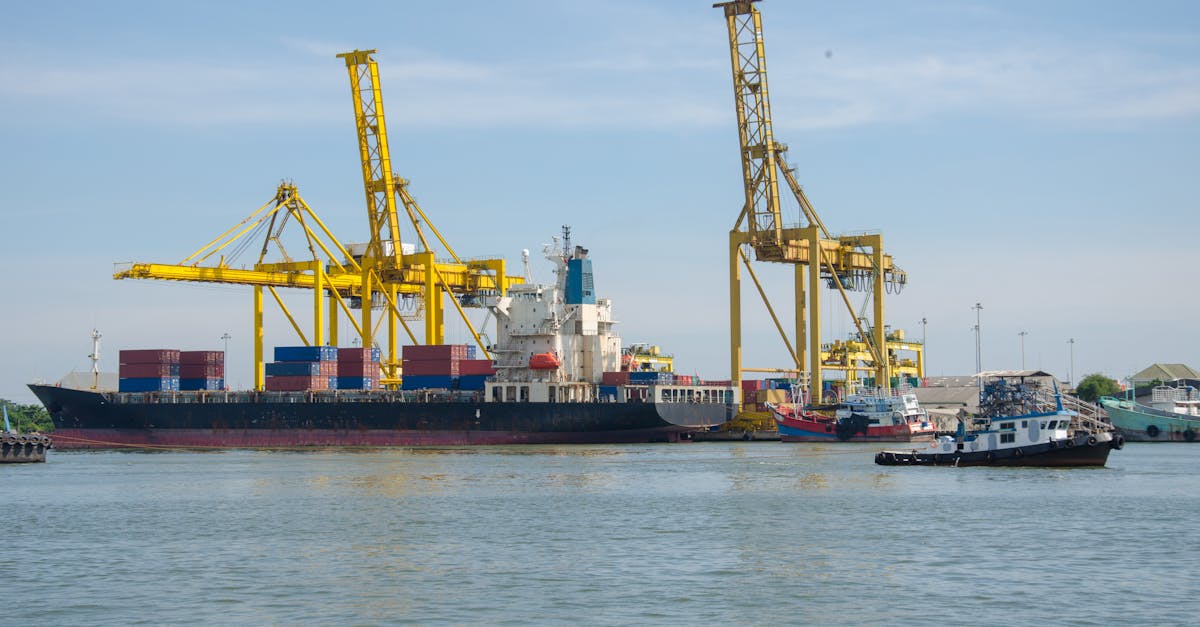
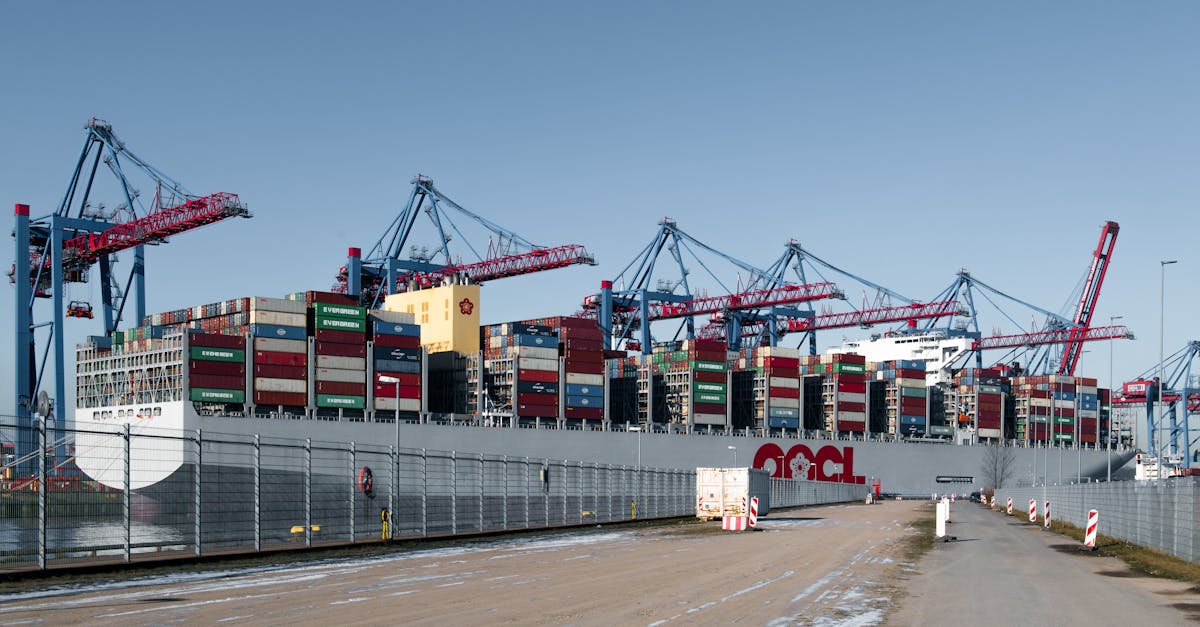
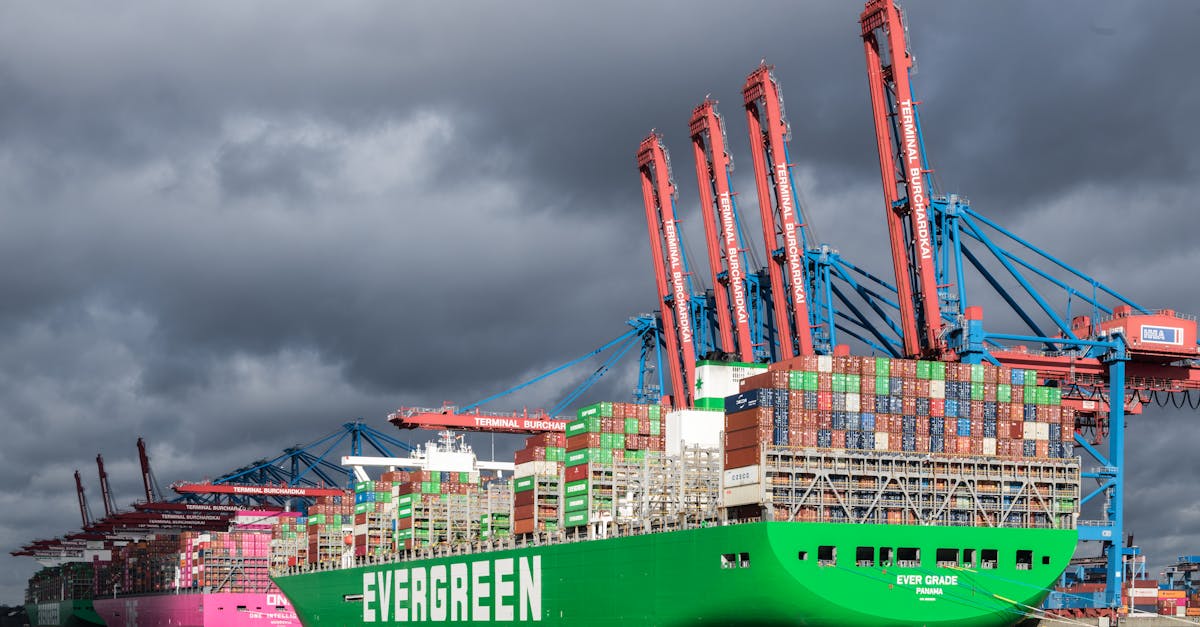
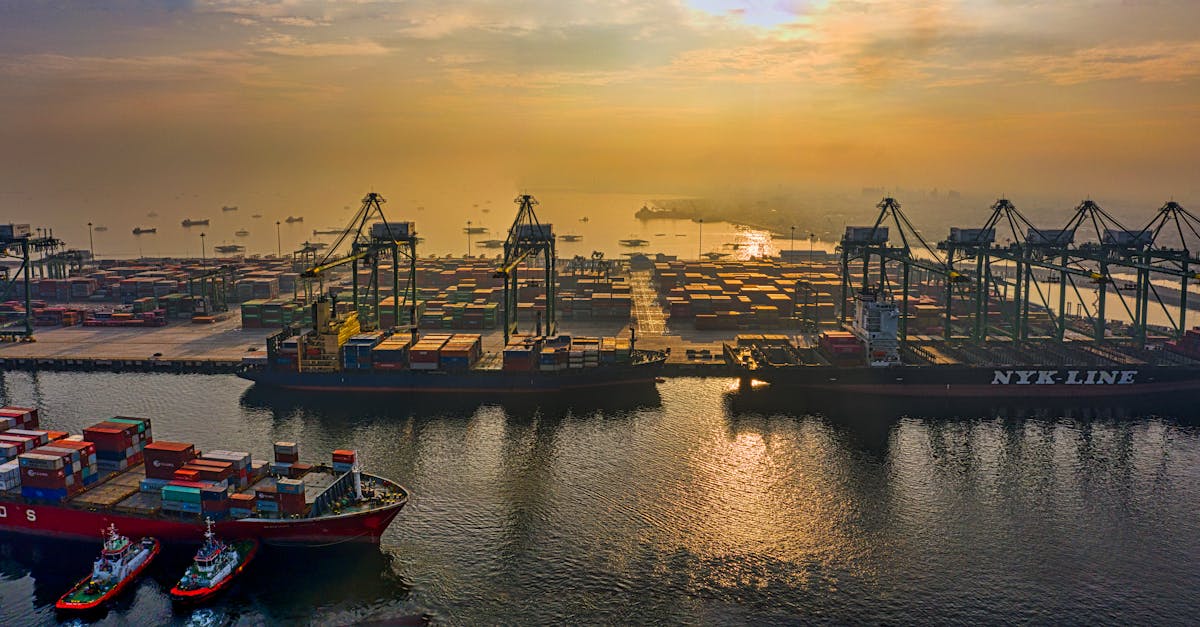
The Thompsons’ story is not an isolated one; it reflects a broader trend in the American economy. The United States has seen a substantial increase in its exports over the past few years, with goods exported totaling approximately $2.5 trillion in 2023, as reported by the Bureau of Economic Analysis. This surge is roughly equivalent to the GDP of the United Kingdom, illustrating how vital global commerce is to American economic health.
However, trade isn’t just about numbers; it’s about the lives behind them. For the Thompsons, increased exports mean Mark’s job is more stable, and their potential for income growth is bolstered. Economic data indicate that each $1 billion in exports supports around 7,000 American jobs. In a tight labor market, that could translate to more opportunities for Mark’s coworkers as well.
The Ripple Effect of Trade Balance
Yet, the trade balance, which measures the difference between the value of a country’s imports and exports, presents a more nuanced picture. The U.S. trade balance has remained negative, with a deficit of about $1 trillion in 2023. Though that sounds daunting, the Thompson family benefits indirectly as it encourages domestic production and job creation, as their local economy thrives on manufacturing and export activities.
Imagine this ripple effect: as more goods ship overseas, the demand for parts—like those produced by Mark’s employer—grows. This, in turn, boosts investment in local suppliers, increases hiring, and raises wages. Mark’s company plans to hire three more workers this quarter, a direct response to increasing orders. For the Thompsons, this translates not only to more job security for Mark but potentially higher wages or benefits in the near future.
The Global Bakery Metaphor
Visualize the global trade landscape as a bakery. The U.S. is one of the master bakers, churning out everything from advanced machinery to agricultural products. When exports rise, it’s equivalent to serving the world a grand feast. But in this bakery, some ingredients—like imported goods—fill the shelves alongside the home-baked treats. While U.S. imports totaled over $3.5 trillion, it raises questions about domestic production and competitiveness.
In some ways, the bakery analogy illustrates not only the sweetness of exports generating wealth and job creation but also the bitter side of trade dependencies associated with imports. As families in the United States enjoy an array of goods from abroad, an intricate balancing act is required to protect local jobs while still satisfying consumer demand for international products.
Back to the Thompsons
As the evening wrapped up and the Thompsons cleared the table, Emily and Mark reflected on how interconnected their lives are with the larger economic landscape. Mark, more optimistic about his job security, recognized that their family’s well-being depended on not just the local economy but also the tapestry of global trade practices. The astounding figures surrounding exports and the trade balance were no longer abstract numbers; they had become part of their everyday reality.
In a world driven by complex economic dynamics, the Thompsons represent a snapshot of how increased exports shape lives, careers, and communities. Their story highlights the importance of trade balance, not merely as an economic concept but as a key factor that affects families across America, influencing their jobs, their quality of life, and their future.