A Family Business Faces the Waves
Imagine the Jacobs family in coastal Oregon, where the aroma of freshly grilled salmon fills the air. Their small processing plant specializes in wild-caught Pacific salmon, prepared for both local restaurants and international markets. Just last year, the Jacobs family watched their operation boom as exports surged, driven by strong demand from Japan and South Korea. Their trade balance, if you will, began to tilt favorably, bringing not just profit but stability to the community.
Ripples Through the Economy: The Numbers Behind the Salmon
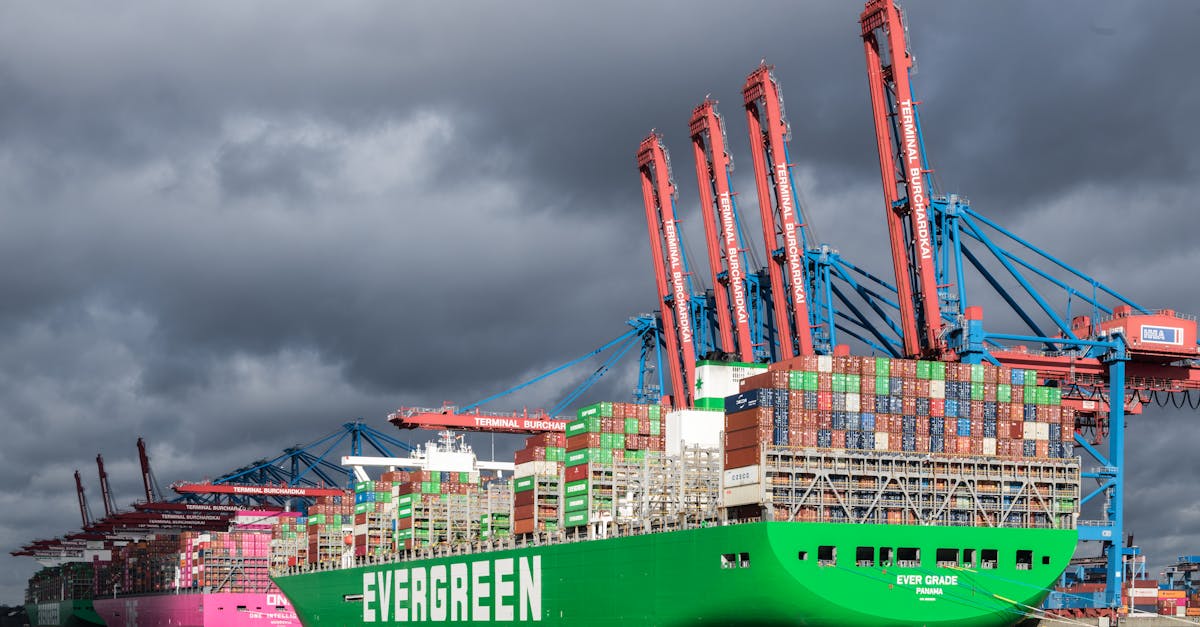
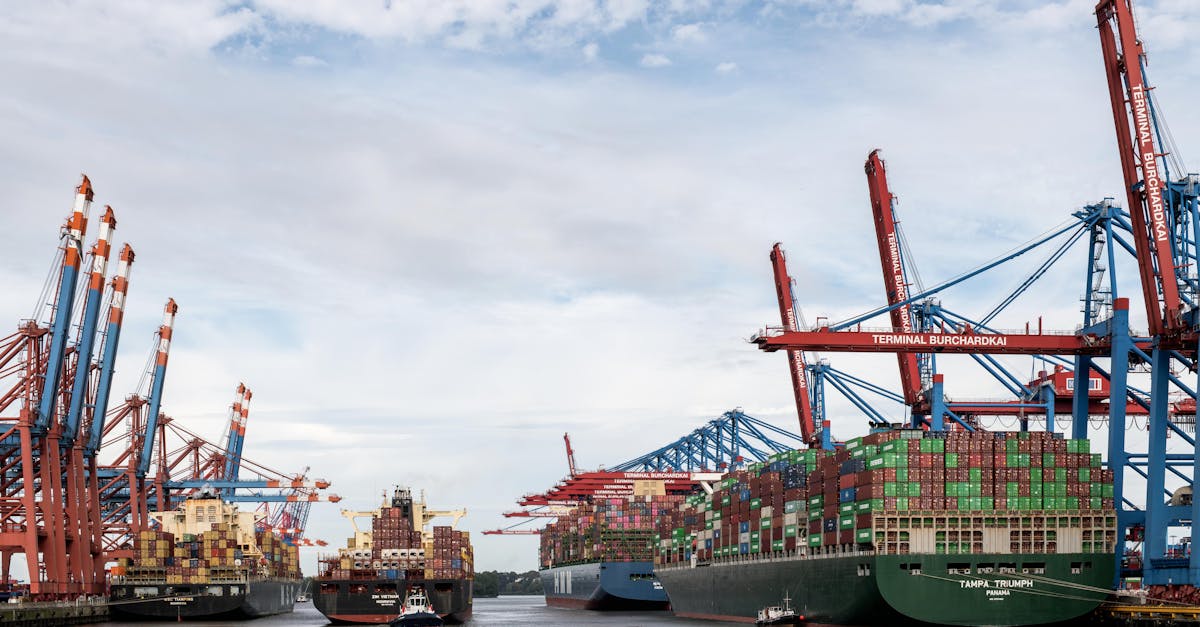
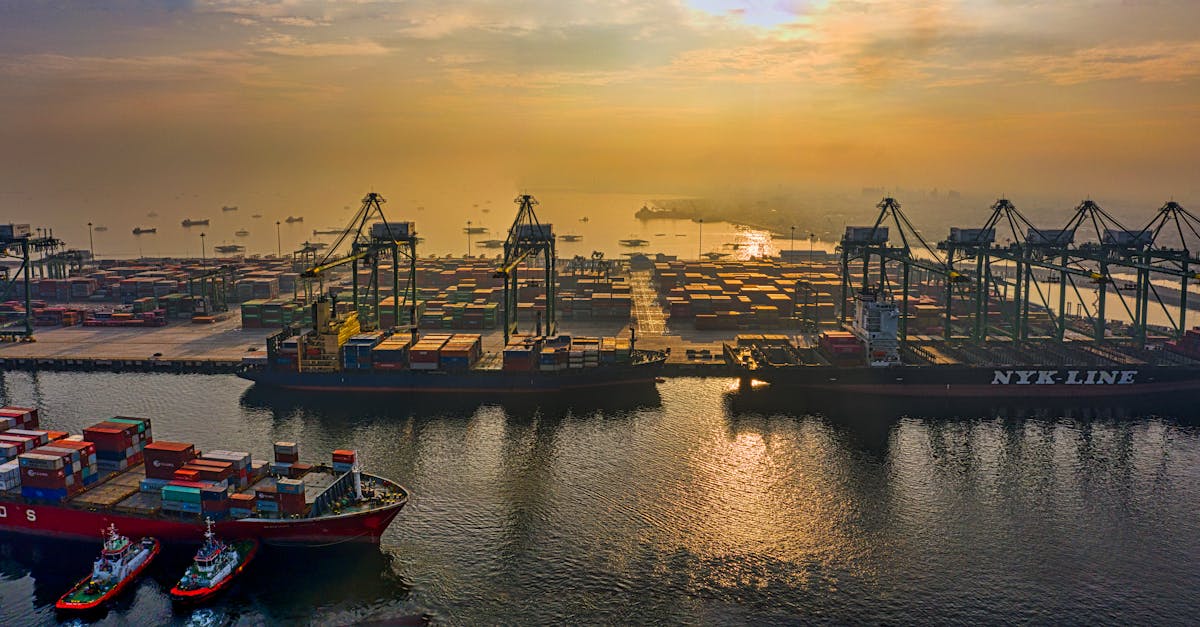
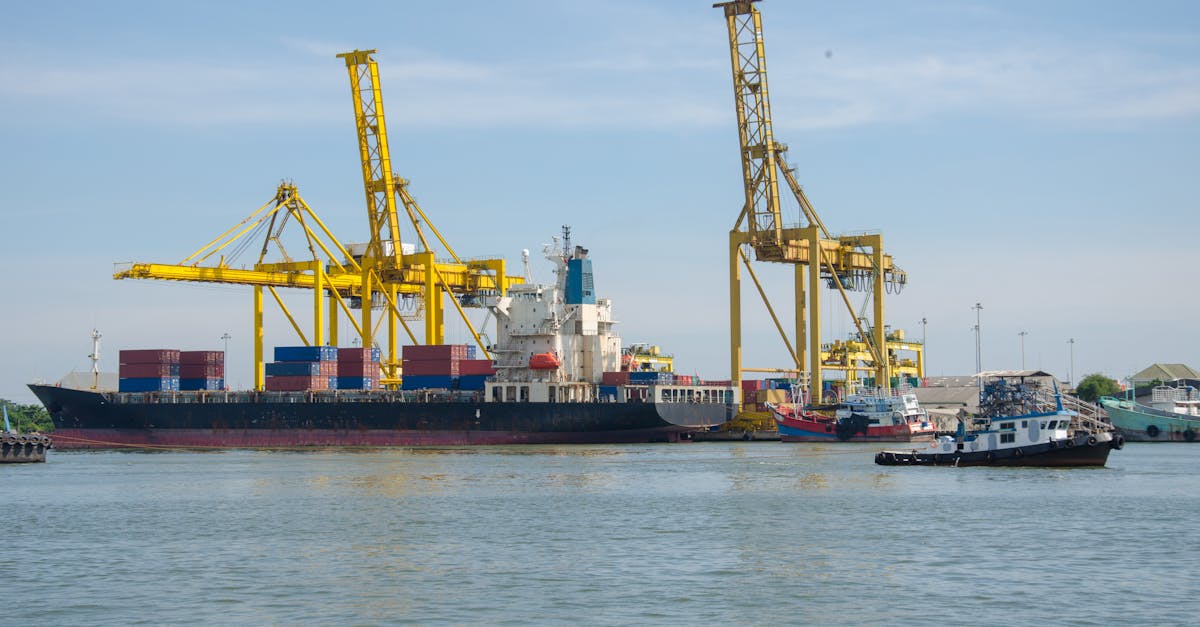
As the Jacobs shipped 80,000 pounds of salmon overseas last year, they weren’t just engaging in an isolated transaction. The U.S. consistently ranks as one of the top seafood exporters globally. In 2022, America’s goods exports totaled a staggering $1.8 trillion, with the agricultural sector—of which seafood plays a role—accounting for a significant part of that haul. This exporting dynamic isn’t just about big numbers; it’s about how those numbers translate into real, everyday opportunities for families like the Jacobs.
Think about it this way: when exports increase by 1%, it can stimulate economic growth by an estimated 0.6% to 1%. In the case of a thriving salmon export business, such growth translates into higher wages for local employees, new job openings, and reinvestment into the community—like the Jacobs’ recent purchase of new equipment to keep up with demand.
Our Trade Balance: More than Just Numbers
The trade balance could be thought of as the health of a country’s economic ecosystem. For the Jacobs, a positive trade balance means more customers and more revenue to reinvest. In the last estimation reported by the Bureau of Economic Analysis, the U.S. trade deficit stood at roughly $68 billion, yet exports totaled around $276 billion in June—a promising figure reflecting a broader trend. It illustrates the resilience of American goods on foreign shores, buoyed by swift e-commerce channels and changing consumer habits.
To visualize this dynamic, if every family-owned business in the U.S. were to sell just 10% more of their goods abroad, the economic uplift could be like adding an entire new industry to the nation’s GDP, a feat that would ripple through both urban and rural landscapes alike.
Connecting the Dots: From Export to Employment
As the Jacobs work tirelessly to meet demand—taking the extra shifts, increasing their staff, and sourcing more local fish—they participate in a larger story. Every new hire at their plant enhances the job market, reducing unemployment rates which, according to the Bureau of Labor Statistics, currently sit at about 3.8%. This low figure indicates a tight labor market, but it’s fueled in part by businesses investing in exports like salmon. Each worker contributes to the system, reinforcing the vital connection between overseas markets and domestic job creation.
Bringing It All Home
Every shipment of salmon from the Jacobs family is not merely a business transaction; it is a lifeline that connects them to the economy of the entire nation. As they navigate the ups and downs of trade policies and international demand, they exemplify the power of exports to craft job opportunities, sustain communities, and align lives with broader economic strategies.
By the end of the fiscal year, as they tally their profits and reinvest in their community, the Jacobs stand as living proof of how the U.S. trade landscape can influence not only their family business but also the lives intertwined within that thriving ecosystem. The world may seem large, but through trade, the Jacobs and many like them reflect how global waters can lead to local triumphs.