Imagine Sarah, a single mother living in suburban Chicago. Every morning, she packs her two kids’ lunches with care: organic apple slices, whole grain sandwiches, and a granola bar. Her kitchen, though well-stocked with healthy choices, also has a vintage countertop radio playing the latest news. Today, she hears a report about the swirling tides of the U.S. trade balance — a concept that seems distant yet intimately connected to her life.
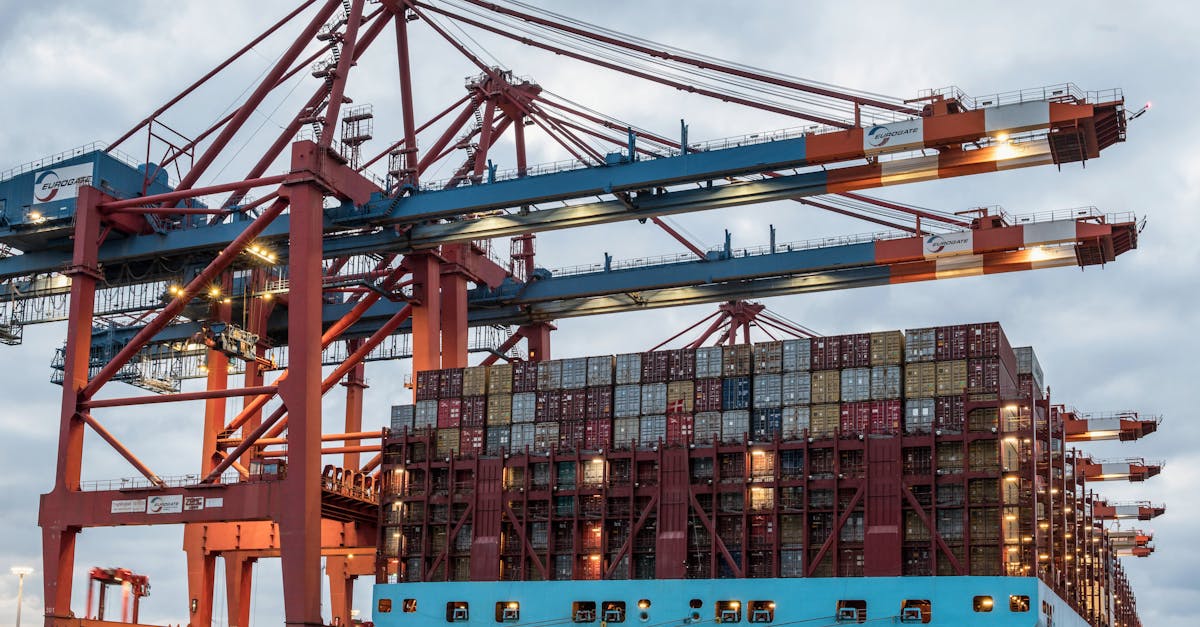
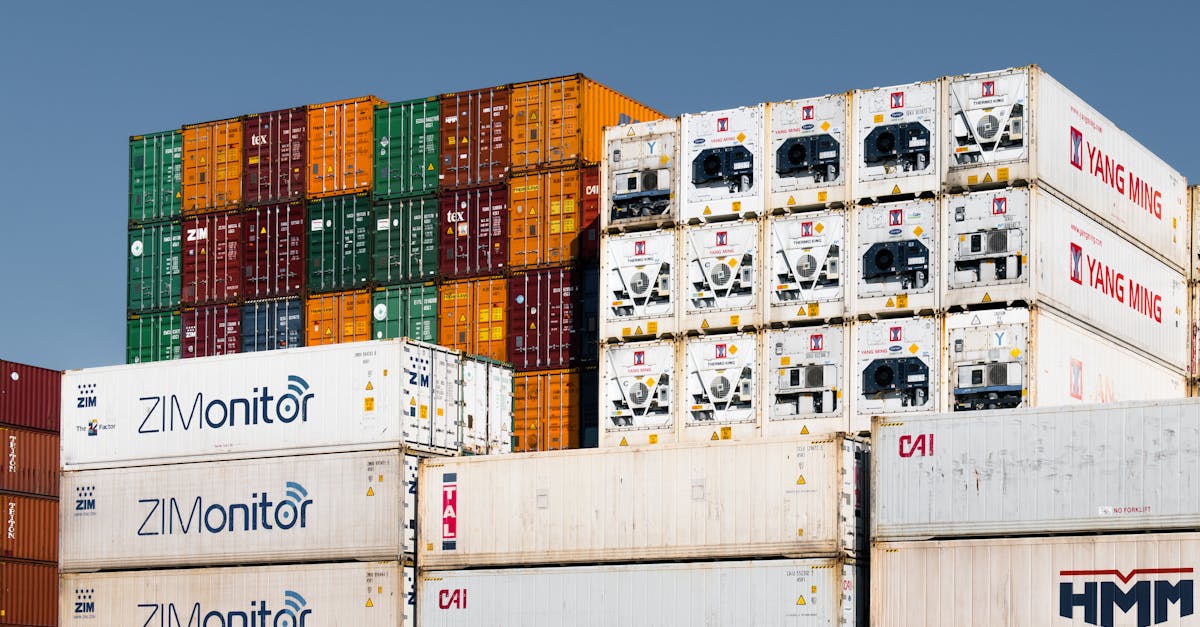
Their neighborhood hardware store, a quaint family business, recently began exporting hand-crafted wooden furniture to Europe. The owner, Mr. Thompson, a friend of Sarah’s, shared how exports have provided a surprising boost to his business since he started selling to customers in Germany last year. Just last month, Mr. Thompson’s exports amounted to $500,000, contributing directly to a broader national context where U.S. exports reached $2.5 trillion. To put that in perspective, that’s roughly equivalent to the annual budget of the state of Texas, underscoring how vital these international sales are to communities across the nation.
As Sarah sips her coffee, she considers the implications of trade balances, particularly the long-standing trade deficit the country has experienced. The latest figures reveal that the U.S. trade deficit stands at about $80 billion per month, a figure that would typically raise eyebrows. This deficit occurs when the value of imports exceeds that of exports, meaning the nation, on the whole, is purchasing more from abroad than it sells to foreign markets.
The dynamics of supply and demand directly affect Sarah’s family. Products imported from overseas often dictate the prices at local retailers, and a persistent trade deficit might contribute to higher costs for the woodworking supplies Mr. Thompson relies on. If the dollar weakens against foreign currencies, it could become more expensive for him to purchase the wood he imports for his creations. Supply chains can be fragile, and changes in the trade landscape can ripple through to everyday life, capturing the delicate dance between local production and international demand.
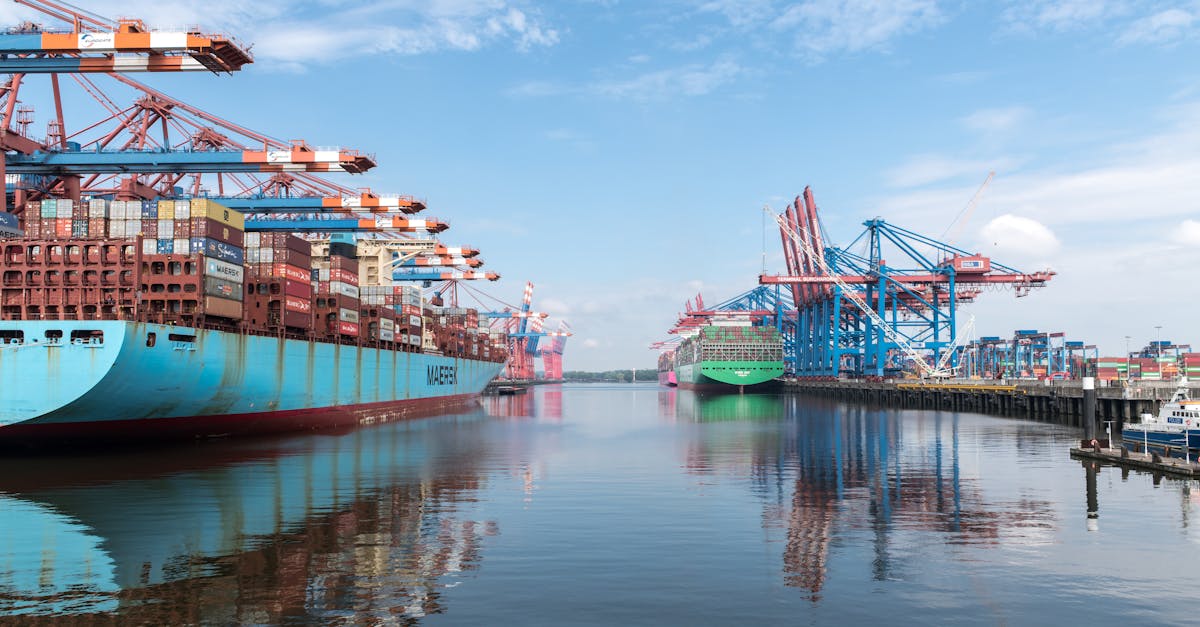
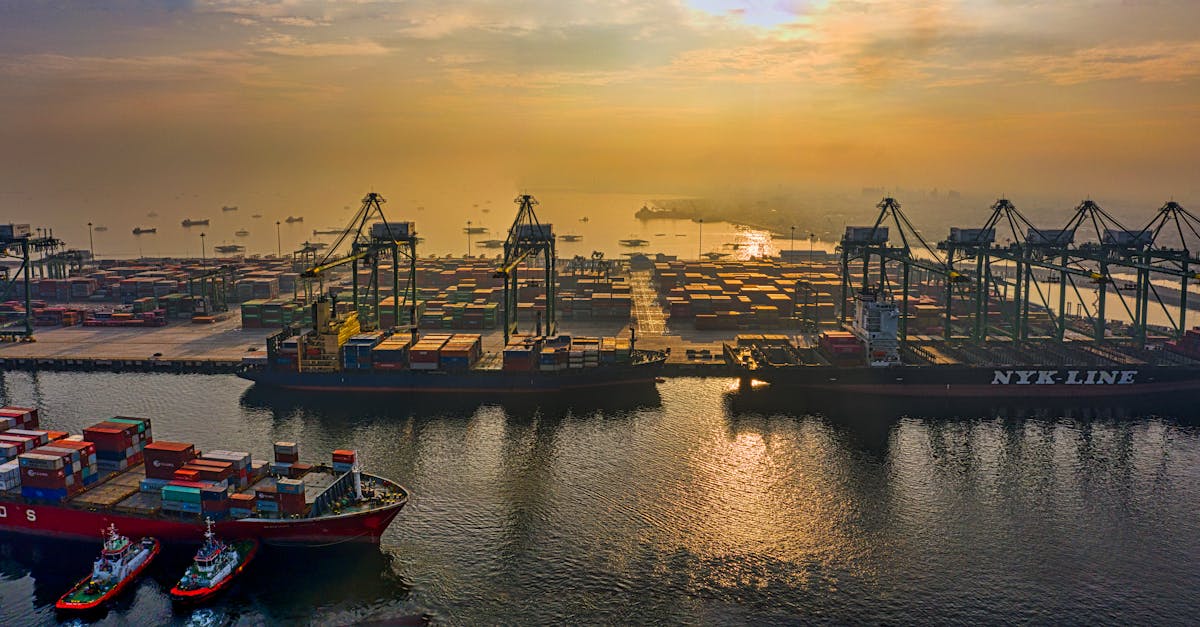
Now, to visualize the scale of this trade picture, consider the U.S. trade relationships. In 2023, China and Canada were the largest trading partners. With China enjoying a significant trade surplus with the U.S. — exporting nearly $690 billion while importing a mere $150 billion in return — it’s clear that certain nations often have a strategic advantage in international trade.
Sarah reflects on how this affects her work as well. She’s a marketing manager in the tech sector, and her company’s reliance on imported components for production highlights another facet of the trade balance. When the company expanded its reliance on Asian-made chips and components, they gained advantages in cost but also found themselves vulnerable to the global supply chain disruptions that often accompany geopolitical tensions. Each quarterly report includes a note on how trade balances are affecting costs, frequently linking back to revenues and profits for the fiscal year.
As Sarah picks up her kids from school, Mr. Thompson waves from across the street. He shares his latest news: the furniture he’s been exporting is gaining traction in the European market, and he’s looking to hire a couple more hands to keep up with demand. Sarah smiles, knowing that while the trade numbers might sound abstract from an economic perspective, they have concrete stories woven into them — stories like Mr. Thompson’s success. The interconnectedness of global trade is not just economic data; it’s the lifeblood for families and businesses striving for success in a world increasingly defined by global exchanges.
When she lays her children down to sleep, Sarah remembers the radio news about trade. The challenges of a trade deficit or international competition might loom large, but for her and her community, every shipment out and every shipment in tells a more personal tale of resilience and adaptation.