An Evening at the Thompson Kitchen
As the sun dipped below the horizon, the aroma of grilled salmon wafted through the Thompson household. Lisa, a mother of two, had marinated the fish with spices imported from a tiny province in Vietnam, demonstrating how intricate global trade can find its way into everyday family dinners. That evening, as she prepared the meal, she reflected on how these foreign flavors impacted their finances – a direct link to the broader American trade balance, which had recently been a topic of heated discussion.
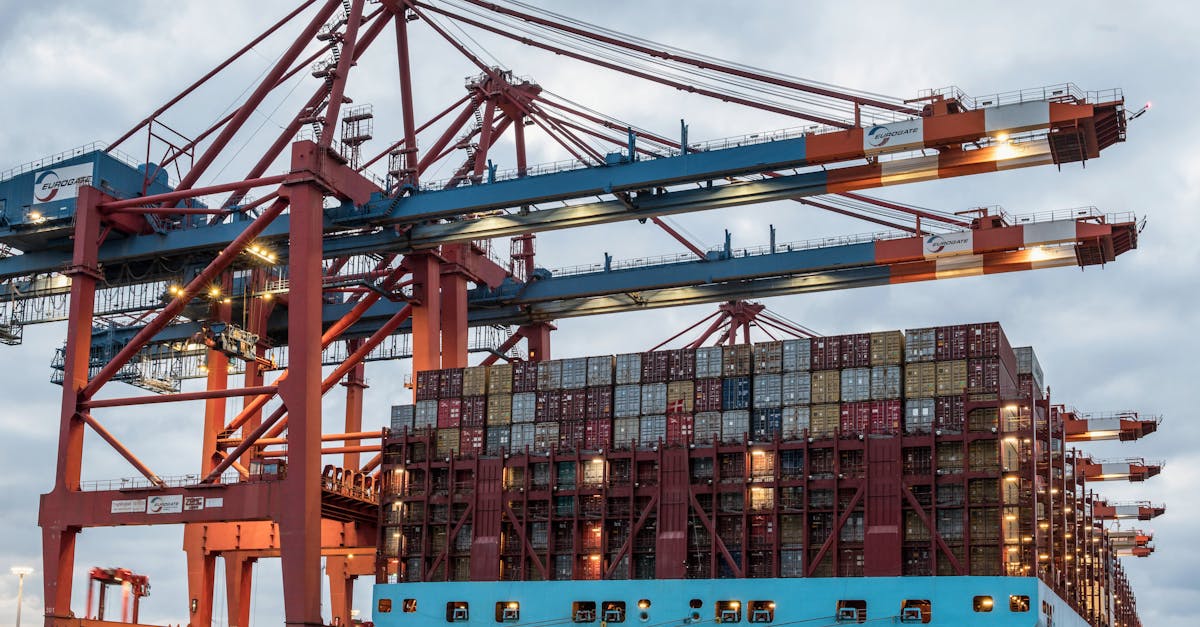
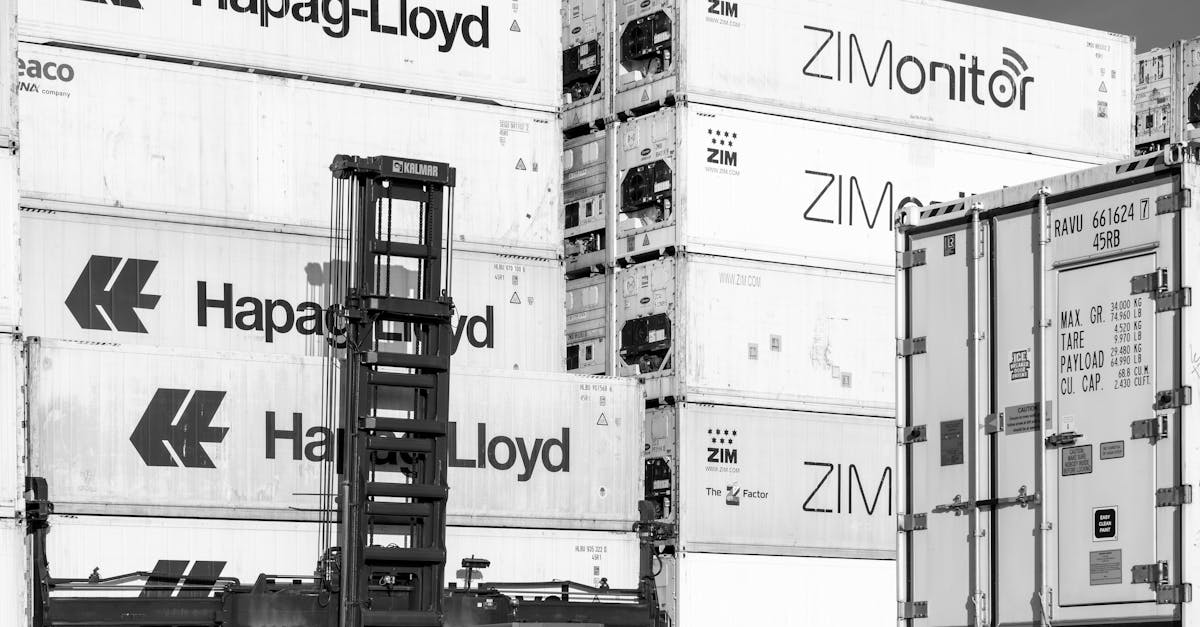
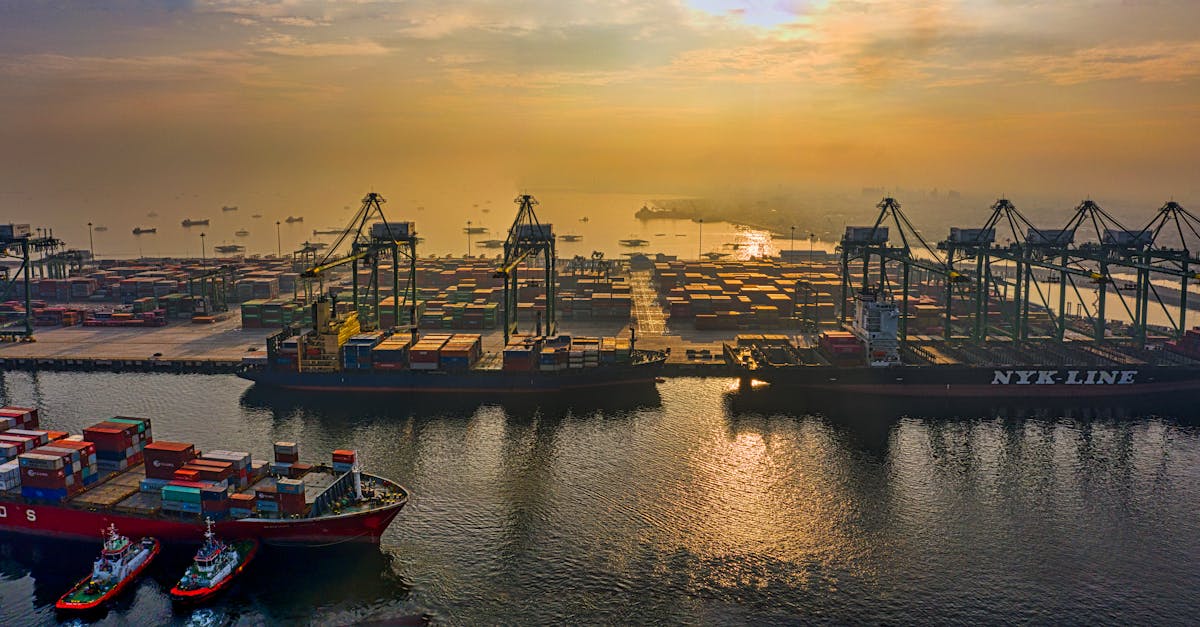
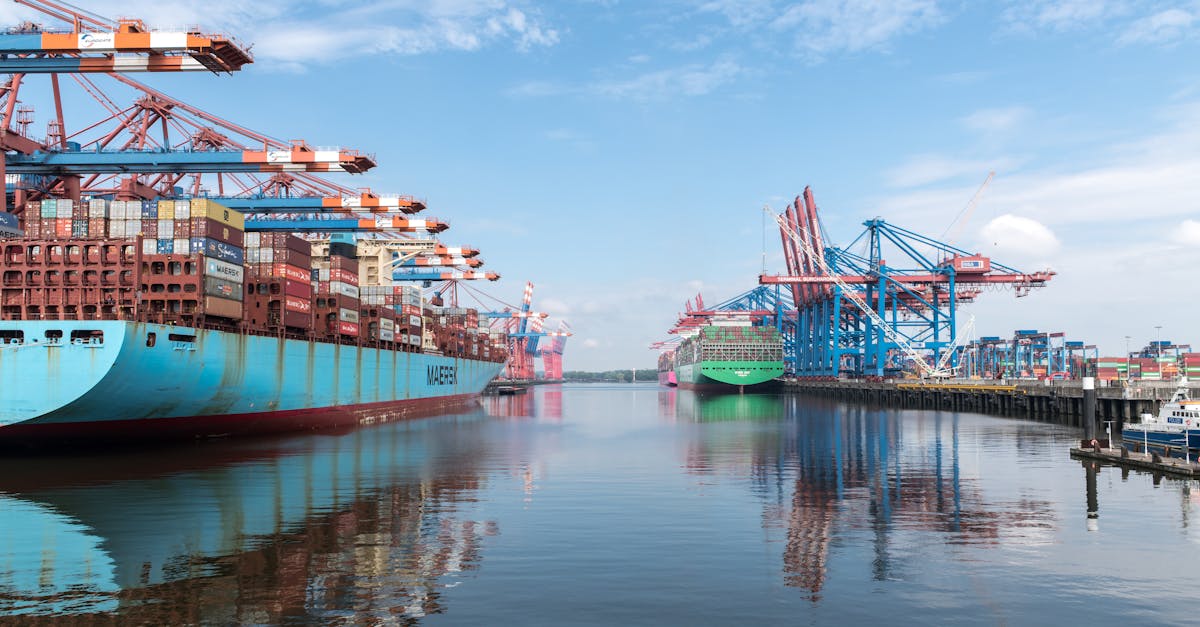
The United States trade balance registered a deficit of $68.8 billion in August, according to the Bureau of Economic Analysis. This trade imbalance means that America’s imports exceed its exports, often raising concerns about economic health. In Lisa’s case, the delicious fish on her table wasn’t just a meal; it represented a piece of the nearly $60 billion worth of fish and seafood imported each year. Although her family savored the rich flavors, they supplemented their grocery bills with the higher costs that often come with imports.
A Family’s Financial Lens on Exports
Consider the statistics for American exports: the total goods and services exported in the same month amounted to $252 billion, reflecting a slight decline from previous months. This downturn can make domestic products less competitive globally, impacting not just international sales but also local businesses reliant on export industries. For Lisa’s husband, Mike, who works in manufacturing, fewer exports can lead to uncertainty at his job, stemming from decreased demand in key markets such as Canada and Mexico.
In imaginative terms, picture a scenario where exports are like the tides pushing your boat toward deeper waters. When the tides recede, as they did recently, businesses like Mike’s may find their vessels at a standstill, with reduced production lines translating to longer workweeks or, worse, layoffs. The manufacturing sector continues to contribute to nearly 8.5% of GDP, yet that percentage could dwindle without strong international demand, highlighting how critical trade is for American jobs.
The Dollars Behind Imports and Exports
Lisa realized that her family isn’t merely a consumer of imported goods; they’re also stakeholders in the wider U.S. economy. The $68.8 billion trade deficit means less cash flow for the very companies that provide their jobs and incomes. As imports like electronics and vehicles flood the market, squeezing out domestically produced items, American innovation faces an uphill battle.
If Mike’s job is influenced by these trends, consider the broader implications for every hardworking family when a majority of goods—around 15% of U.S. imports—come from China alone. Their reliance on affordable products might create a paradox; while families might appreciate the low-cost gadgets, they inadvertently undermine local economies.
The Ripple Effect: From Kitchen Table to Global Stage
As the children sat down at the dining table, excited to dig into the meal prepared by their mother, Lisa knew that their future was tied intricately to the complexities of international trade—be it through the salmon on their plates or the electronics crammed into their backpacks. The trade balance may seem like an abstract economic metric, but for the Thompsons, it held tangible power over their everyday lives, spending habits, and even aspirations.
The world of trade is a balancing act, and as figures fluctuate, so too will the impact on families navigating their financial futures. For the Thompsons, each meal builds on the implications of imports and exports. They may crave seafood from afar, but their family’s well-being is anchored by the economic tides that sway regularly within the United States. Whether it’s choosing between a locally-made product or an imported alternative, the decisions they make ripple through the economic waters all around them.