The Heart of a Family Business
Meet the Gonzalez family, owners of a small but thriving hot sauce business in Austin, Texas. Their craft is simple: they blend fresh, locally sourced ingredients into tantalizing sauces that have captured the taste buds of their community. They began six years ago, selling their products at local farmers’ markets. Now, they export about 30% of their production to Canada and select markets in Europe. But how do broader trade dynamics influence their passion?
As the face of their business reflects the bustling economy, the latest figures from the Bureau of Economic Analysis reveal the intricate web of trade balances that both supports and challenges enterprises like theirs. The U.S. trade deficit currently sits at $67 billion, a figure that echoes through the corridors of small businesses across the nation. For the Gonzalez family, the strength of the dollar today is akin to a double-edged sword; while it makes imports cheaper, it can also dampen demand for their goods overseas.
Exports: Fueling Growth
Consider this: in the past year, U.S. exports reached a staggering $2.3 trillion, a slight increase from previous years. For the Gonzalez family, this translates to more customers abroad recognizing the value of American-made goods. However, when you break down that $2.3 trillion, the picture becomes hazy. According to the latest data from the Bureau of Labor Statistics, 2.9 million jobs were directly supported by export-related activity in 2022. In economic terms, that’s roughly equivalent to the number of workers supporting a metropolitan area like Chicago.
Back at the Gonzalez kitchen, sales have surged, partially due to their participation in international food fairs and online marketplaces, showcasing their artisan products to a broader audience. They can trace a line from the rising demand in Germany to the increase in shipments from their kitchen lab, turning mere hobbyists into exporters, buoyed by a favorable trade environment.
The Ripple Effects
Yet, as their volumes increase, so do their worries about the implications of trade policies. Tariffs imposed on certain imported spices and materials have begun to carve into their margins. In 2023, the U.S. slapped a 25% tariff on select imports, which may turn out to be a hurdle for small-scale operations. The Gonzalez family, while proud of their flagship products, uses imported components to create that perfect blend, which means any tariffs could lead to steeper prices for consumers or reduced profits—a balancing act they navigate carefully.
To put this into perspective, a recent analysis from the Federal Reserve suggests that a 1% increase in tariffs threatens to reduce economic growth by up to 0.2%. For the Gonzalez family, this may sound like a small percentage, but it can equate to thousands of dollars in lost income—money they could comfortably use to hire additional staff or invest in new equipment.
Reconnecting with the Roots
In their dealings, the Gonzalez family remains rooted in their community, tapping into local supply chains, which offers a semblance of stability. The family knows every farmer who supplies their tomatoes and peppers; they’ve built a network that thrives on local investments. A report from the USDA indicates that for every dollar spent locally, two dollars return to the community. This circular flow is what keeps their dreams cooked up in reality even amidst turbulent trade winds.
As their story unfolds, the Gonzalez family illustrates just how interconnected global trade is woven into the fabric of daily life in America. They are not just shipping bottles of hot sauce; they are exporting a little slice of Texas to the world. This dynamic shows how a family business can thrive or struggle depending on the currents of economic policy and trade relations.
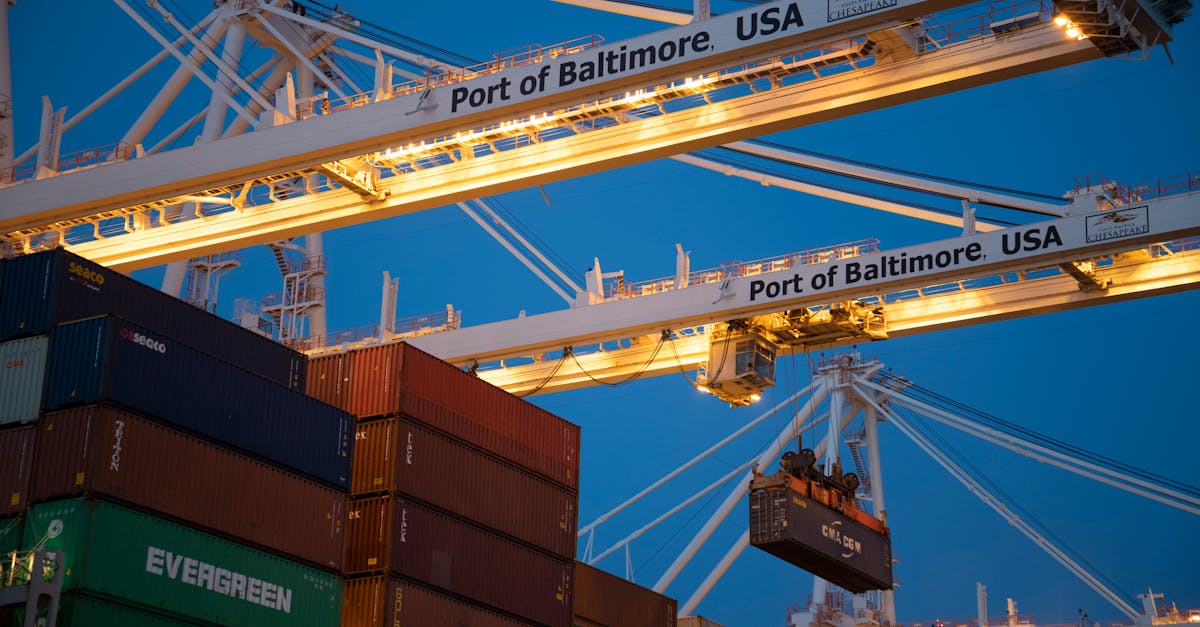
In the end, as they watch another container of their beloved hot sauce set sail, the Gonzalez family understands the interplay of trades beyond their kitchen. Each bottle represents both their hard work and the economy—forever intertwined in the story of America’s export economy.