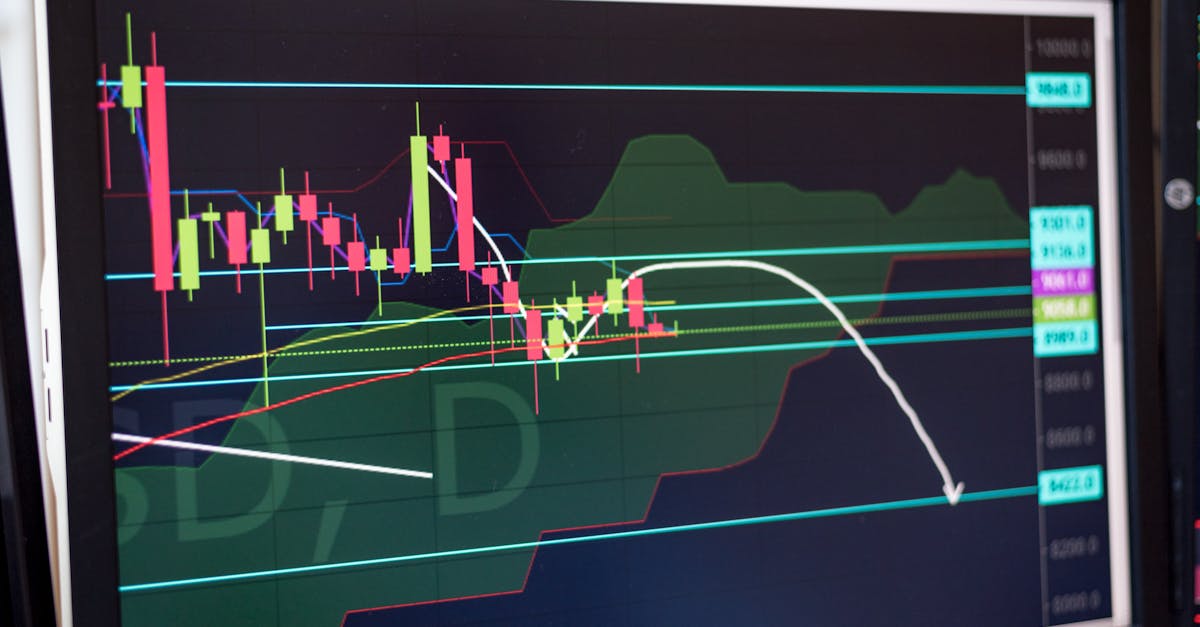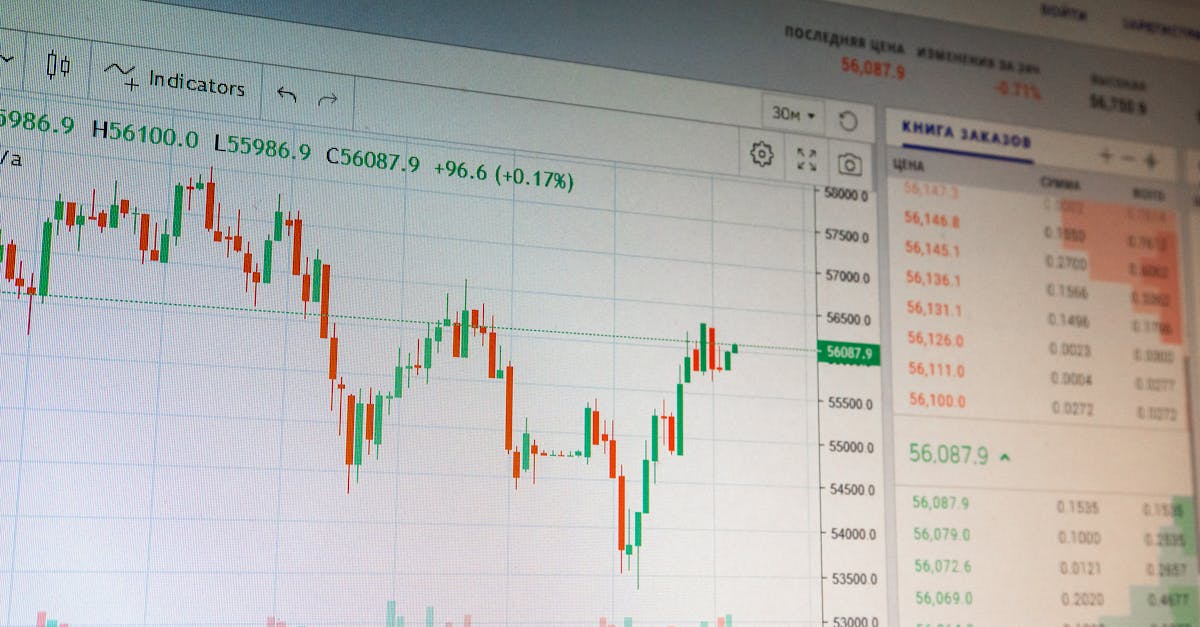
As the sun peeks through the curtains of the Morales family’s modest home in Albany, New York, Maria quietly glances at her phone while sipping her morning coffee. The notifications light up the screen with alerts from the stock market. Her husband, Carlos, has been diving into investment strategies ever since he received a promotion at the delivery company where he works. With an unemployment rate of 4.3%, Carlos feels fortunate to have a stable job, but like many, he faces the constant pressure of inflation, which, as measured recently, sits at 2.4%. This economic landscape raises questions among families like the Morales about how to best secure their financial future.
On an average Tuesday, Carlos might receive a text from a colleague asking about the latest developments in the tech stocks, which have drawn considerable attention lately. Picture this: for every dollar they invest, the returns aren’t just numbers on a screen; they represent vacations, college tuition for their two daughters, and perhaps even a down payment on a new home. Right now, the family’s portfolio is feeling the pinch of rising interest rates, currently at 3.64%. Every percentage point is a step closer to needing to balance investment risk with their everyday expenses and savings goals.
As investors react to the Fed’s decisions, they’re also piecing together the narrative of economic health that fluctuates just like their portfolios. Back in 2021, tech stocks were skyrocketing, enticing families like the Morales to dive headfirst into the market. The S&P 500 exhibited a staggering 70% growth from its pandemic low, a thrilling roller coaster ride. Fast forward to today: volatility has returned with a vengeance, resembling the 2018 market corrections that had many reeling. For the Morales family, this means evenings spent at the dinner table discussing whether to hold steady or pivot their strategy.
Every gain or loss can feel akin to a family vacation being canceled or a new opportunity opening up. Maria thinks back to how their neighbors, who once told them about their adjacent risk portfolio, are now facing dilemmas of their own. Mike and Linda next door had gotten bold with their investments, betting on emerging markets, but with inflation and local spending habits shifting, those yields are less shiny than they once appeared.
Yet the Morales family isn’t without their own wins. Carlos’s investment in a diversified index fund has allowed them to see some modest gains—growth that, while slow, has provided a cushion amidst the pressures of day-to-day life. Rather than racing back to tech stocks, the family is leaning into a balanced approach, finding stability in mutual funds characterized by lower risk. This cautious exit from high-stakes betting demonstrates how shifting interest rates weigh heavily on decision-making. The feeling can be likened to choosing between a sturdy sedan or a flashy sports car: both get you from point A to point B, but one keeps you grounded when the weather gets rough.
As evening settles in, the family gathers on the couch to read about investing strategies online. Carlos shares advice from forums he dives into each night, emphasizing patience and perseverance. Maria, understanding fully well that the stock market is less a sprint and more a marathon, feels reassured. The couple knows they must adapt to the currents of the economic environment and choose investments that not only protect their savings but also allow for some forward momentum.
Looking at the Morales family’s journey reveals a deeper reflection of how stock market development intertwines with personal lives. Every decision they make echoes through their lives well beyond just financial statements. In the heart of Albany, where neighborhoods pulse with the dreams and aspirations of families, navigating the stock market becomes more than numbers on a screen; it is about the pathway toward futures they aspire to build.