A Day in the Life of the Ramos Family
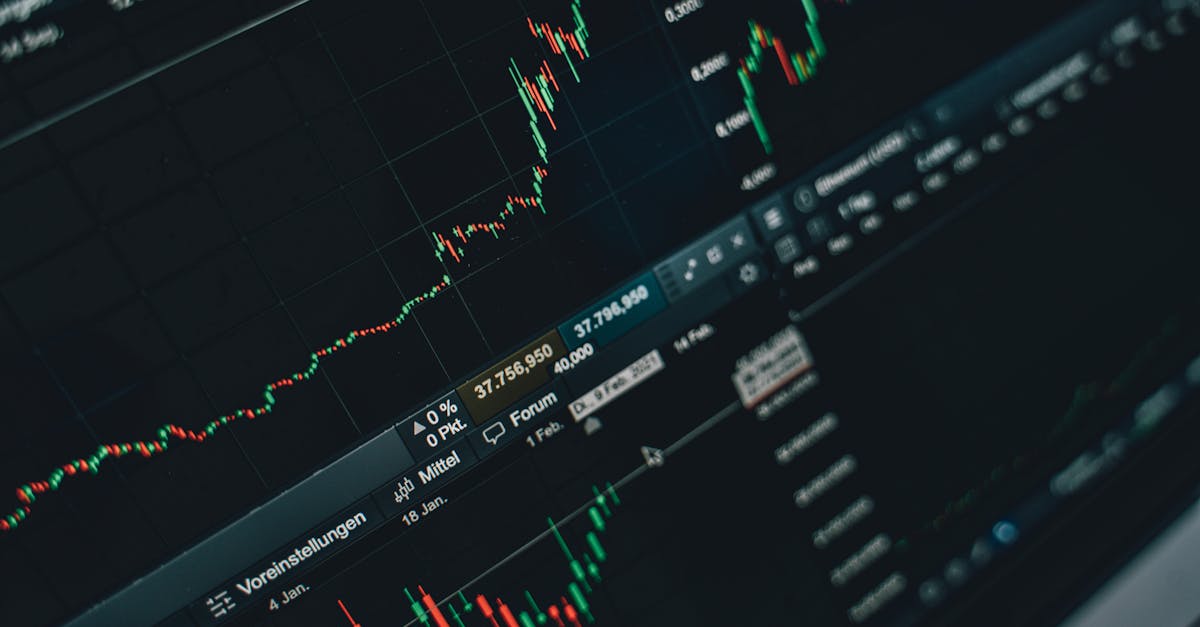
As the sun streams through the kitchen window, Maria Ramos works diligently at her table, reviewing her family’s budget while sipping her morning coffee. Her husband, Carlos, takes a break from assembling bicycles at his local factory and exchanges pleasantries with their children, who are busy daydreaming about college. While family life hums along, Maria has been tracking the stock market, keenly aware that their financial future is closely tied to its ups and downs.
The Ramos family’s modest nest egg is primarily invested in index funds—they have relied on this strategy to save for their children’s education. Recently, they noticed troubling headlines about market volatility and inflation, currently pegged at 2.4%. Maria keeps these numbers in mind, thinking, “Each dollar saved is eroded by inflation, so I need to ensure we’re not just preserving wealth but growing it.”
The Ripple Effect of Economic Indicators
As she flips through her investment statements, one figure stands out: the Federal Reserve’s interest rate, which sits at 3.64%. This rate directly impacts the cost of borrowing, affecting not just families like the Ramoses but also small businesses trying to expand. Carlos’ factory, for instance, has recently considered upgrading equipment to boost productivity. However, with higher rates, the cost of financing that upgrade could eat into profits, and ultimately, whether Carlos retains his job may hinge on that decision.
According to the Bureau of Labor Statistics (BLS), the current unemployment rate is 4.4%, meaning that Carlos still feels relatively secure. Nevertheless, he ponders, “If my employer can’t get the financing, what happens to my job?”
On the other side of town, a budding small business owner, Lisa, grapples with similar questions. Having opened a coffee shop just before the pandemic, she weathered the storm but now looks at the stock market with hope. If it performs well, not only could the value of her investments rise, but a thriving market could lead to more customers and better spending habits from her clientele—all vital for her shop’s sustainability.
If the Market Thrives, So Does the Community
Imagine a community where businesses flourish due to a strong stock market. Increased investment leads to job creation, and corresponding this growth, local services thrive—like Lisa’s coffee shop—encouraging residents to spend more locally, enhancing the whole economic landscape.
Maria reflects on how this interconnected web of influence between the stock market and everyday life drives her family’s financial decisions. As she updates their investment portfolio, her mind drifts to where the stock market is headed in the coming months. Could it sustain the upward trajectory it has shown recently?
The volatility she reads about worries her. Yet, she understands that some risks might lead to rewards. If the market averages its long-term returns, which historically hover around 10% annually, it could help them outpace inflation significantly. That’s a hopeful prospect considering they want to send their children to college without accumulating debt.
Closing The Loop
As night falls, Carlos and Maria sit together, comparing thoughts on budgeting and futures. The conversation is inherently tied to the market’s health; its fluctuations shape their decisions. They find themselves wanting to invest more, yet remain cautious of rising interest rates and inflation eating into their funds.
The Ramos family’s story encapsulates the nuanced interplay between stock market dynamics and familial aspirations. Each data point, whether it’s the interest that makes them reconsider borrowing or the unemployment rate that gives them assurance, finds its way into their daily dialogue.
As the federal policies shape the economic environment, families across the nation continue to navigate their futures—caught between prudent investing and the reality of everyday life.