The Willoughby Family’s Dilemma
Every Friday afternoon, the Willoughby family gathers around their modest kitchen table in Wilmington, Delaware. A stack of bills on one side, a stack of investment statements on the other. Michael, a senior at the local high school, hangs onto their latest stock portfolio as tightly as he does his college acceptance letters. This week, that portfolio felt the bite of economic reality, with inflation running at 3.8%. By the end of the week, a few more pennies would disappear from their tightly managed budget, and Michael found himself wondering if college was slipping further out of reach.
The Dance of Dollars
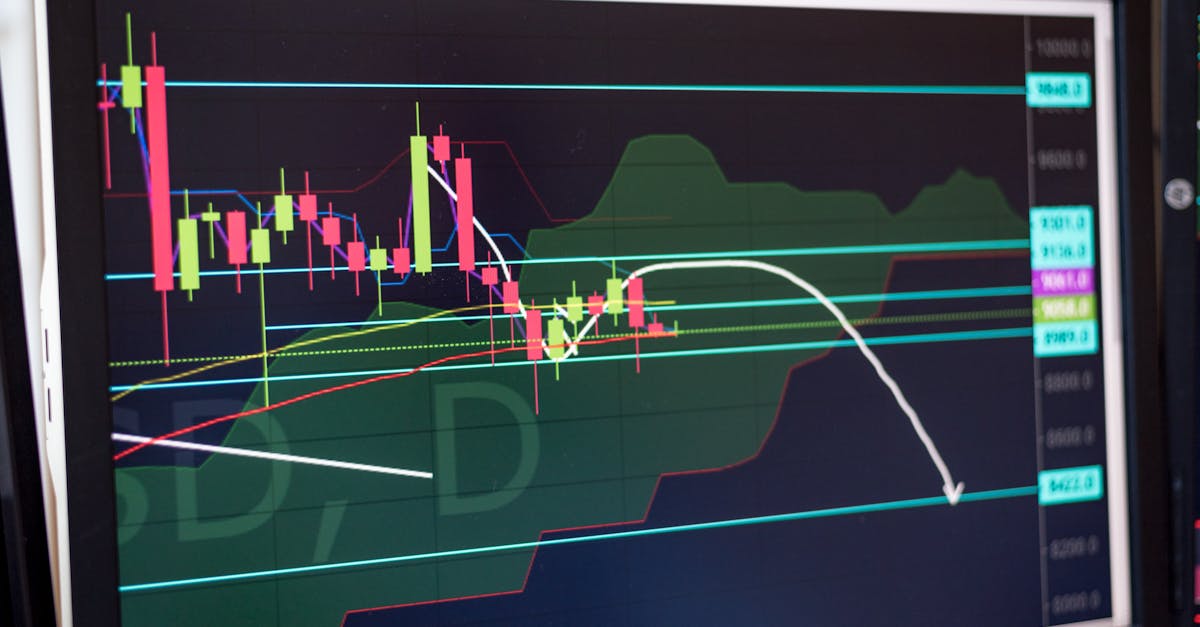
For the Willoughbys, like many American families, the turmoil in the stock market is not merely statistical; it’s personal. The S&P 500 index, representing a broad cross-section of the economy and consisting of 500 of the largest companies in the United States, has recently seen fluctuations that seemed intended to elicit an emotional response. Those fluctuations were particularly pronounced in the months preceding this spring.
As of April, significant chunks of their investment portfolio reflected these swings; investments that had once shown signs of promise felt more akin to a rollercoaster. Imagine waking up one day to find out your holdings in popular tech stocks had plummeted. The Willoughbys felt the ache of uncertainty just like millions of Americans. As parents, they wanted financial stability for their children, but as stockholders, they stared at a market that refused to stabilize.
By March 2026, the unemployment rate was reported to be 4.3%, giving many families reasons to feel optimistic about job security but deeply concerned about rising costs. The Willoughbys, despite being relatively safe in their jobs, were not immune to consumer sentiment. A dinner out seemed extravagant; a night in watching the latest streaming series felt more prudent. The juxtaposition of job creation and rising prices left many families — including the Willoughbys — questioning how much longer their carefully curated lifestyle could endure.
The Responsibility of Interest Rates
With interest rates hovering at 3.64%, the Willoughbys faced another conundrum; the cost of borrowing had begun to rise. They debated whether to dip into their savings to buy a new family car or hold off another year, hoping for a financial break. This rate not only affects how much they pay for a car loan but also impacts the market broadly, dictating investment behaviors. For families seeking to refinance their homes or make new investments, the pinch is palpable.
At dinner, the conversation shifted from dinner plans to financial strategies. The Willoughbys tossed around ideas like “diversifying our portfolio to include more stable, dividend-paying stocks.” Michael, ever cautious, chimed in with his concerns about tech stocks crashing under the weight of economic pressure. He understood that investing wasn’t just a game of moves, but a delicate balance of timing and strategy.
The Real Impact of Market Dynamics
On weekends, the Willoughbys turned to local community events, realizing that their shared experiences were echoed throughout their neighborhood. Many families are navigating similar currents — whether that means pulling back on extravagant expenses or reassessing their investment choices. The ever-increasing cost of living, coupled with stock market uncertainties, creates a swirl of anxiety. Those dynamics are not just numbers from BLS and Fed reports but represent hopes and fears that speak volumes about the state of the American dream.
A Cycle of Hope and Patience
As weeks turned into months, the Willoughbys learned that patience is essential in unsteady waters. The ebbs and flows of stock performance may seem daunting, but they also create opportunities. Realizing that their financial strategy wasn’t just a series of decisions but an evolving dialogue, they found strength in community solutions. They consulted with financial advisors and engaged local seminars aimed at building investment literacy, garnering hope that financial literacy can deflect some of the volatility.
Looking down the road, the Willoughbys cling tightly to their vision — a family home that can provide stability. The future still glimmers with uncertainties, influenced by fluctuating inflation rates and job market stability. Yet, as they sit in their kitchen planning ways forward, they realize that they are not alone in facing these challenges. Indeed, within the turmoil of the stock market, families across the nation are drawing strength from the resilience that binds them together.
Back at the table, Michael glances at the stock documents, contemplating how this new chapter could either build or break their financial future. As the family unitedly navigates economic uncertainties, the rhythm of resilience plays on, reminding them that even in tumultuous times, hope remains the most powerful investment.