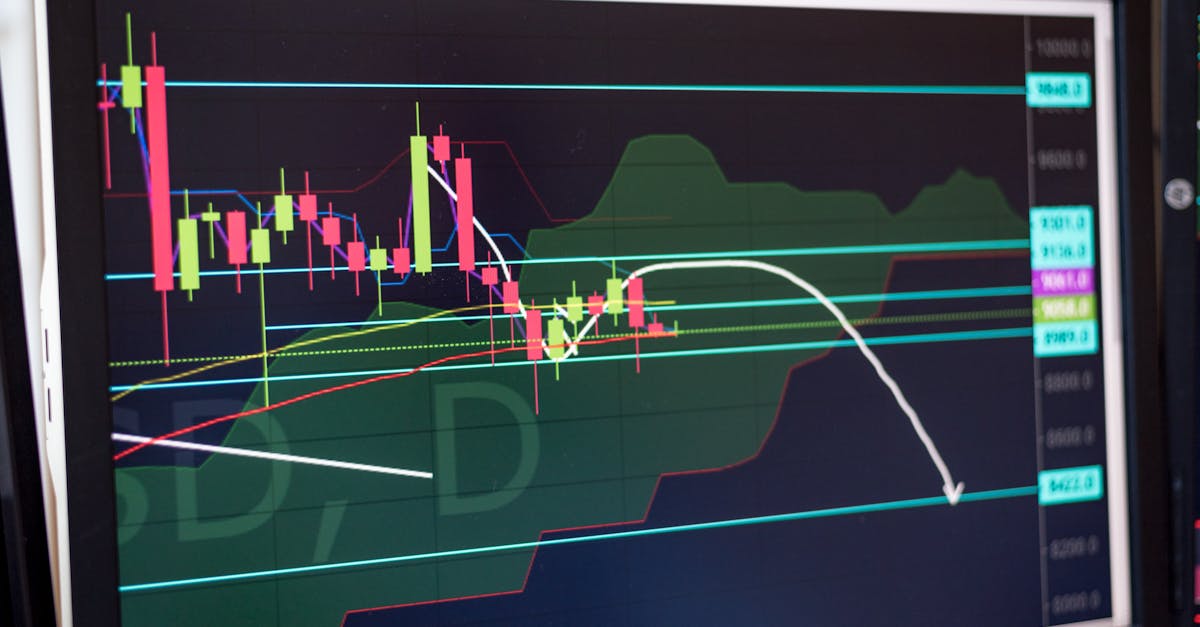
Navigating the Market: A Family’s Journey Through Uncertainty
A typical Saturday morning finds the Johnson family seated around their kitchen table, discussing their plans for the week. Sarah, a high school teacher, has been keeping an eye on their investments in a modest mutual fund. She wants to purchase new educational materials for her classroom, yet she feels a tightening in her budget. Meanwhile, her husband, Mark, a software engineer, has taken note of the recent stock market shifts, wondering how they might affect their savings for the future.
Peer into their world and notice how intertwined their lives are with the market conditions. As of early this month, inflation has settled at 2.4%, a relief compared to the rollercoaster years preceding. However, when Sarah inputs these numbers in their household budget, the realization hits: the cost of groceries has not merely crept up but spiked—bacon priced at nearly $8 a pound. The family’s purchasing power feels the squeeze, limiting their options for essential purchases.
Mark’s brow furrows as he explains to Sarah that despite the stock market’s gradual recovery post-pandemic, volatility remains the name of the game. With approximately 60% of Americans owning stock directly or indirectly, their family’s financial outlook is not as isolated as it may seem. The S&P 500, featuring a mix of growth and value sectors, tries to stabilize, yet average investors like the Johnsons often find themselves as mere spectators of their own financial futures.
A Glimpse into the Numbers
Consider this: despite the stock indices showing promising rebounds, an unemployment rate sitting at 4.4% complicates the situation. This figure casts a shadow over their neighborhood, where they see friends and families grappling with job security. While Mark enjoys stable employment, uncertainty still lurks in the backdrop of their lives. The economic landscape feels uneven.
As Sarah listens, she recalls a conversation with a colleague about retirement savings. The Federal Reserve’s interest rate, currently at 3.64%, directly impacts their savings accounts and investment strategies. It’s challenging to find a bank willing to offer competitive returns when the rates are low. This translates into less money for their future, even as they attempt to build an educational fund for their children. Imagine the Johnsons’ dreams for family vacations, college funds, and a new home—tangible goals that feel further away if market trends continue to shift.
The web of financial influences leaves Sarah frustrated yet determined. With each market fluctuation, they learn more about managing their resources. The challenging environment fosters creativity. Instead of waiting for their investments to provide returns, Sarah has begun tutoring students after school, diversifying their income stream. It’s not just about the stock market anymore; it’s about being proactive in a world of uncertainty.
The Ripple Effect
At the heart of this narrative is a vivid reality: financial markets may be an abstract concept for many, but for the Johnson family and others like them, every decimal point in inflation or the stock index means something personal. These numbers dictate how far their paychecks stretch and whether the children can join a beloved sports team or attend a summer camp.
As they finish their breakfast, the sun shines through the kitchen window. Mark shares an article he read on tracking long-term market indicators alongside inflation predictions, hoping to ease Sarah’s concerns about their savings. They know well that there’s no crystal ball for forecasting market movements, but the market’s nuances now feel somewhat less daunting.
Full Circle
The Johnsons are back to the breakfast table, their perspective shifting with the changing tides of economics. When they sit down to discuss future purchases or education plans, it’s a mix of finance and family life—an intricate dance on the economic stage. Their story encapsulates a broader narrative: amid rising inflation rates, fluctuating unemployment, and a dynamic stock market, individual experiences reflect collective economic realities, shaping goals, aspirations, and day-to-day decisions. Each conversation they share is a reminder that they are active participants in a much larger economic tapestry.