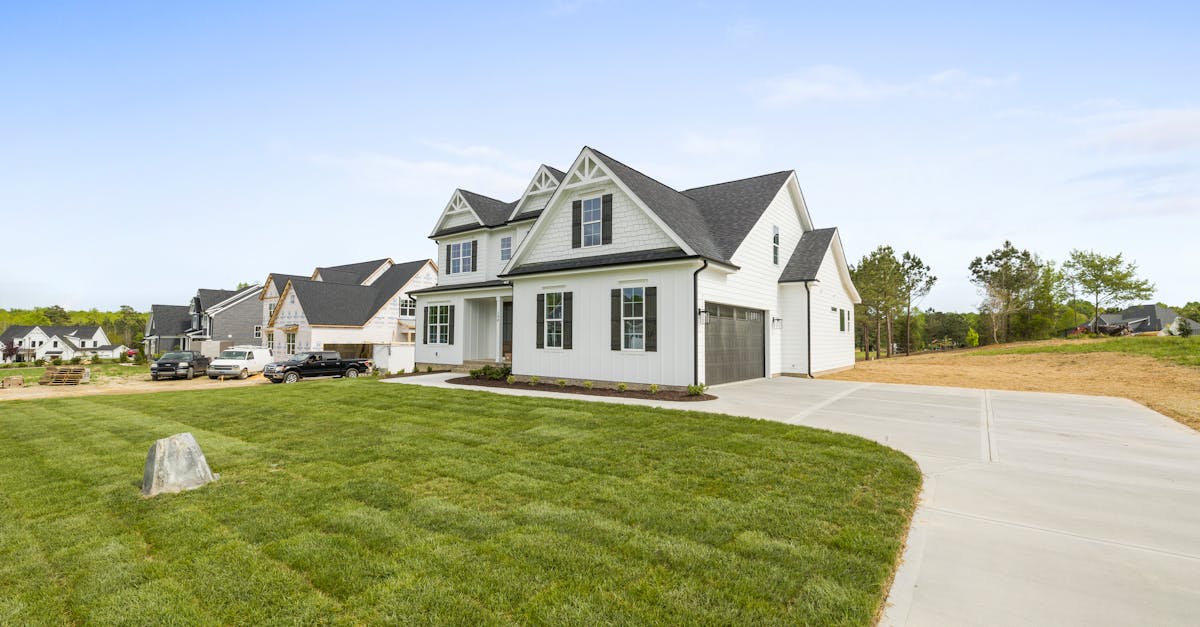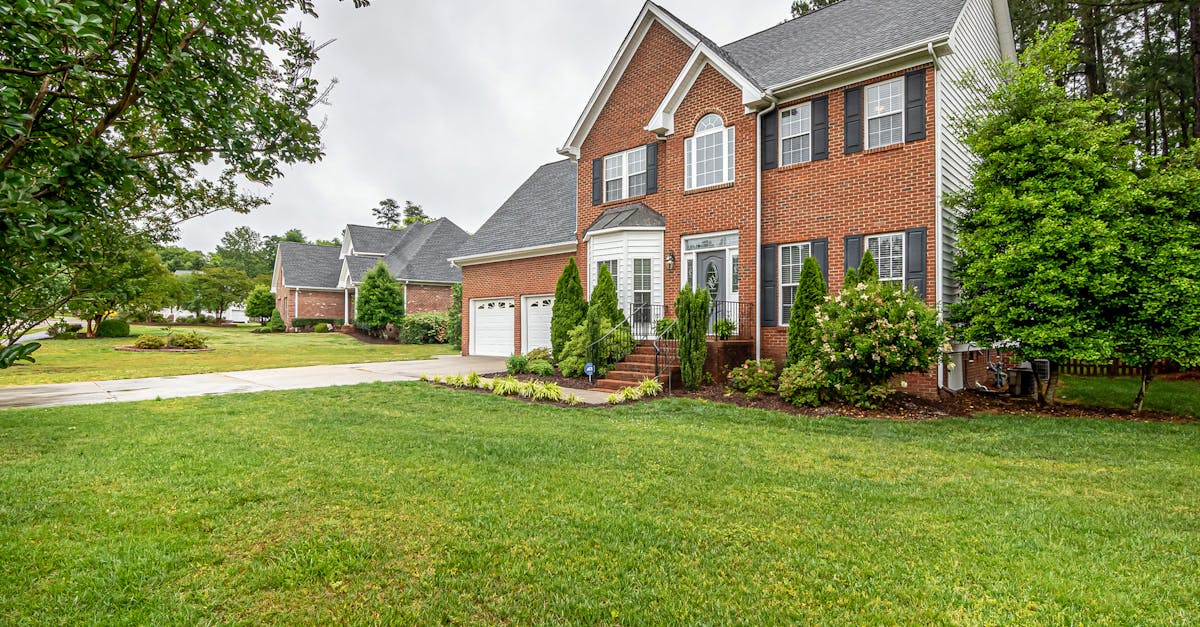
$405,000
That’s the current median price of a home in the United States, a staggering increase of 15.7% year-over-year, according to the latest data from the National Association of Realtors. This number paints a vivid picture of the ongoing demand and tight housing supply that continues to characterize the market, compounding the challenges faced by potential buyers.
Digging deeper, the housing market is feeling the push and pull of various economic forces. The Federal Reserve’s aggressive interest rate hikes, aimed at curbing inflation, have raised mortgage rates into the high sixes. As of October 2023, the average 30-year fixed mortgage rate stood at 7.08%, strikingly high compared to just 3.09% a year prior. This duality of high prices and soaring borrowing costs creates a disheartening scenario for buyers, particularly first-time homeowners who are often more vulnerable to financial constraints.
With fewer individuals able to enter the market, home sales have also taken a hit, plummeting by nearly 20% year-over-year. The once-hot bidding wars have fizzled in many regions as affordability dries up. For families hoping to upgrade or relocate, lack of inventory and unrealistic price expectations can lead to frustration and stagnation, holding the entire market in a tight grip.
Consider the stark contrast between rising costs and static incomes. According to the Bureau of Labor Statistics, wages have only crept up an average of 5%, leaving many households grappling with a significant disparity between income growth and housing affordability. In fact, more than 50% of renters are now cost-burdened, spending over 30% of their income on housing, a stark reminder of the widening affordability gap.
In urban areas, the situation is increasingly dire. Cities like San Francisco and New York showcase median prices exceeding $1 million, driving many potential homeowners to search in more affordable, albeit less desirable, markets or to abandon the dream of homeownership altogether. The resulting demographic shifts may redefine these cities’ populations, impacting everything from school enrollments to retail and services.
As the market grapples with these pressures, policymakers face mounting pressure to deliver solutions. Potential measures include zoning reforms to increase housing supply, easing restrictions on new construction, and community land trusts to stabilize costs. However, timing and implementation are critical; the economic backdrop is continually shifting, making sustainable solutions seem elusive.
For those currently in the market, patience and strategy are crucial. Buyers may need to recalibrate their expectations, perhaps seeking properties that require some renovations or considering partnerships such as co-buying to dispel financial constraints. Meanwhile, sellers may either hold onto their assets, anticipating further price jumps or adjust their expectations to motivate closings rather than holding out for lofty offers.
The landscape in the housing sector is changing swiftly, influencing not just where we live, but how we perceive the American Dream itself. The evolving dynamics—marked by record prices, economic pressures, and shifting population centers—test the resilience and adaptability of individuals navigating this unpredictable terrain.